
Fokker Dr.I: World War I German Triplane Fighter
The Fokker Dr.I was a German triplane fighter of World War I, famed for its maneuverability and association with Manfred von Richthofen. It saw limited service due to structural issues and was soon superseded.
The Fokker Dr.I was a German fighter airplane that entered service during World War I and quickly became one of the conflict's most recognizable types. Designed by Reinhold Platz and produced by Fokker-Flugzeugwerke, the Dr.I emphasized agility and climb performance through a compact triplane layout. It gained legendary status because it was flown by Manfred von Richthofen, the "Red Baron" (von Richthofen), but its operational life was short and marked by a mix of acclaim and technical problems.
Image gallery
10 Images


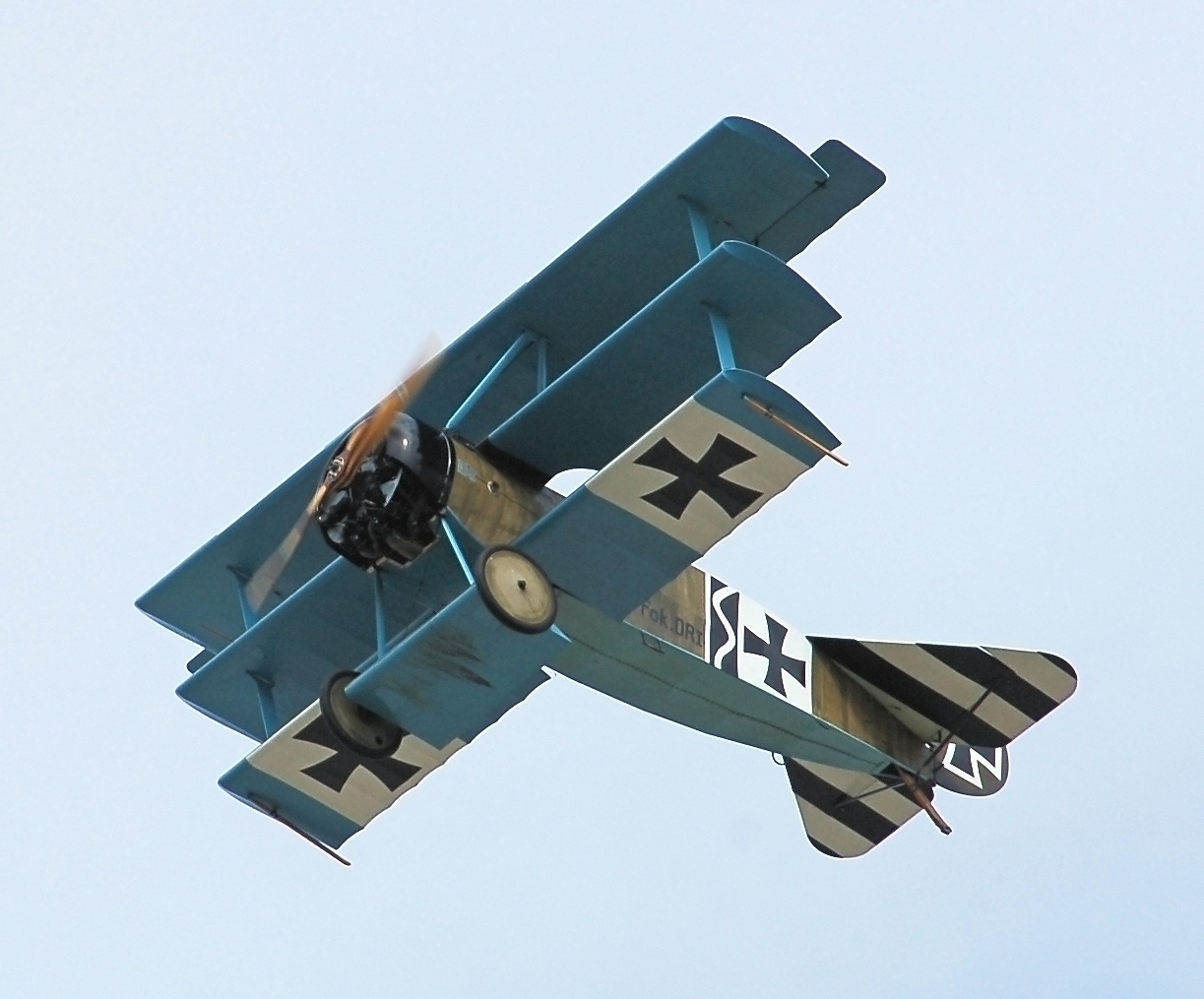


Design and characteristics
The Dr.I used three narrow, stacked wings to create high lift in a short wingspan, which improved roll rate and maneuverability. It was powered by a rotary engine and typically armed with two synchronized, forward-firing machine guns. The fuselage was relatively short and compact, giving pilots excellent visibility and control for close-in dogfighting. These features made the triplane highly responsive at low and medium speeds, suited to the turning engagements common at the time.
Key features
- Triplane wing arrangement for enhanced lift and maneuverability
- Rotary engine installation, favoring climb and handling
- Twin synchronized machine guns for forward firepower
- Short, agile airframe optimized for dogfights
Development and operational history
The Dr.I was developed in response to contemporary Allied fighters that demonstrated superior climb and turning ability. It reached frontline units in 1917 and was deployed in small numbers with German fighter squadrons, including elements of the famous Jagdgeschwader. Early service revealed both strengths and weaknesses: pilots praised its handling, but accidents and wing structural failures led to investigations and modifications. Production and deployment were limited by these safety concerns and by the rapid pace of aviation advancement during the war.
Uses and legacy
Although the Dr.I was never produced in the large quantities of some other types, it left a lasting impression on aviation history. Its image — most notably the bright red aircraft of von Richthofen — has become an enduring symbol of World War I air combat. Lessons learned from the Dr.I influenced subsequent fighter design priorities, emphasizing a balance between maneuverability, structural integrity, and speed. For further reading about its operational context and detailed accounts, consult specialized histories and archives via related references or manufacturer records at Fokker resources.
Related articles
Author
AlegsaOnline.com Fokker Dr.I: World War I German Triplane Fighter Leandro Alegsa
URL: https://en.alegsaonline.com/art/35348