
Manfred von Richthofen (the Red Baron)
German World War I fighter ace Manfred von Richthofen (1892–1918), nicknamed the Red Baron, credited with 80 aerial victories; squadron leader, decorated soldier and lasting cultural figure.
Manfred Albrecht Freiherr von Richthofen (2 May 1892 – 21 April 1918) was a German fighter pilot in World War I. Widely known as the "Red Baron," he is officially credited with 80 air combat victories and is often described as the conflict's leading ace or "ace-of-aces" by contemporary sources (see). His reputation combined personal marksmanship, command skill and a distinctive bright red aircraft that made him highly visible to friend and foe alike. He received several high military honors during his service, including the Pour le Mérite.
Richthofen began his military service in the cavalry before transferring to aviation, where he quickly established himself as a skilled and disciplined pilot. He flew several types of German fighter aircraft, most notably the Albatros series and later the Fokker Dr.I triplane that became part of his public image. In 1917 he took command of a fighter wing, known to the Allies as the "Flying Circus" because of its mobility and brightly colored planes. Under his leadership the unit emphasized teamwork, training and careful planning rather than lone-hero tactics.
Image gallery
10 Images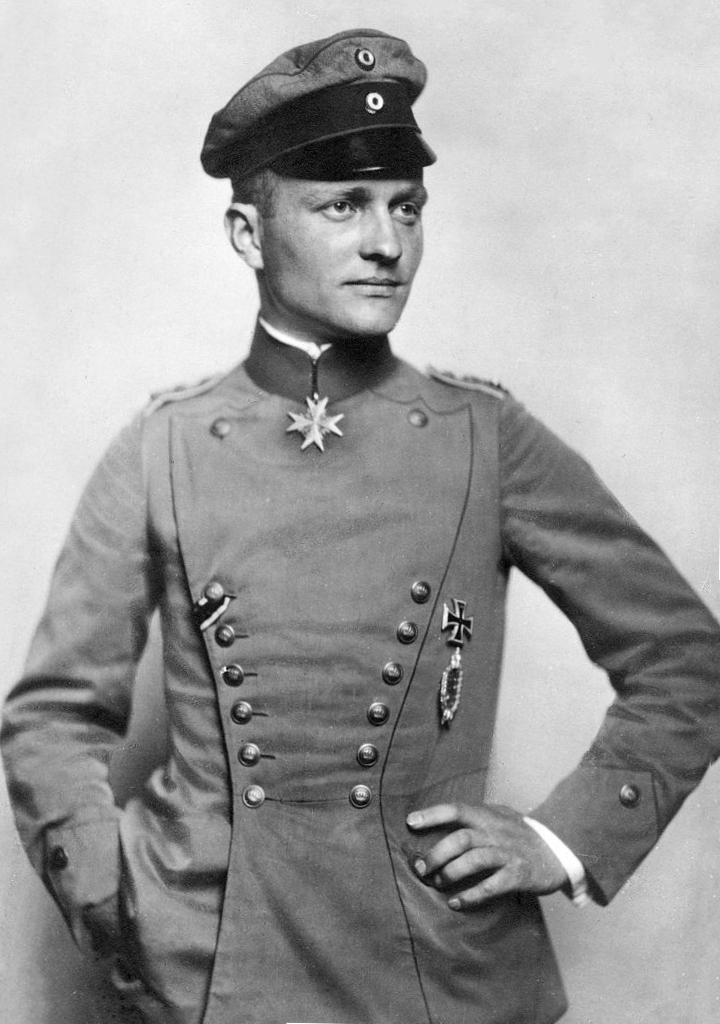


Aircraft, tactics and notable features
- Typical aircraft: Albatros fighters and the Fokker Dr.I triplane; his machines were often painted red or marked distinctively.
- Tactics: use of height advantage, coordinated squadron attacks, disciplined gunnery and reconnaissance of enemy formations.
- Command: organized patrols, mentor to younger pilots, and innovator in small-unit air combat procedures.
On 21 April 1918 Richthofen was shot down and killed over the Somme battlefield. The exact circumstances remain debated: he was engaged by Allied aircraft and also exposed to concentrated ground fire. A Canadian pilot, Lieutenant Roy Brown, was officially credited by some authorities with downing Richthofen shortly after the event, but later research has suggested ground-based fire very likely inflicted the fatal wound. Regardless of the precise cause, Richthofen's death produced an outpouring of respect from both sides and marked the end of a prominent figure in aerial warfare.
Legacy: Richthofen's name endures as a symbol of the early air combat era. He influenced tactics and popular perceptions of fighter pilots, and has appeared extensively in books, film, music and memorials. His career is a frequent subject for studies of leadership, aerial tactics and the cultural memory of World War I.
For further reading and source material, consult dedicated biographies and military histories that examine his combat reports, command of the fighter wing, and the controversies around his final flight. Contemporary collections and museum exhibits also preserve models and accounts of the machines and missions associated with his service. Biography overview • Aircraft details • Service records • Context of the war • Ace statistics
Questions and answers
Q: Who was Manfred Albrecht Freiherr von Richthofen?
A: Manfred Albrecht Freiherr von Richthofen was a German fighter aircraft pilot in World War I.
Q: What was his nickname?
A: His nickname was the "Red Baron".
Q: How many air combat victories did he have?
A: He is officially credited with 80 air combat victories.
Q: Why is he famous?
A: He is one of the most famous aviators in history and the subject of numerous representations in music, film and other media.
Q: Did he receive any honors or awards for his exploits?
A: Yes, he already received numerous honors and award for his exploits.
Related articles
Author
AlegsaOnline.com Manfred von Richthofen (the Red Baron) Leandro Alegsa
URL: https://en.alegsaonline.com/art/61275