
Fokker D.XXI — Dutch single‑engine fighter of the 1930s
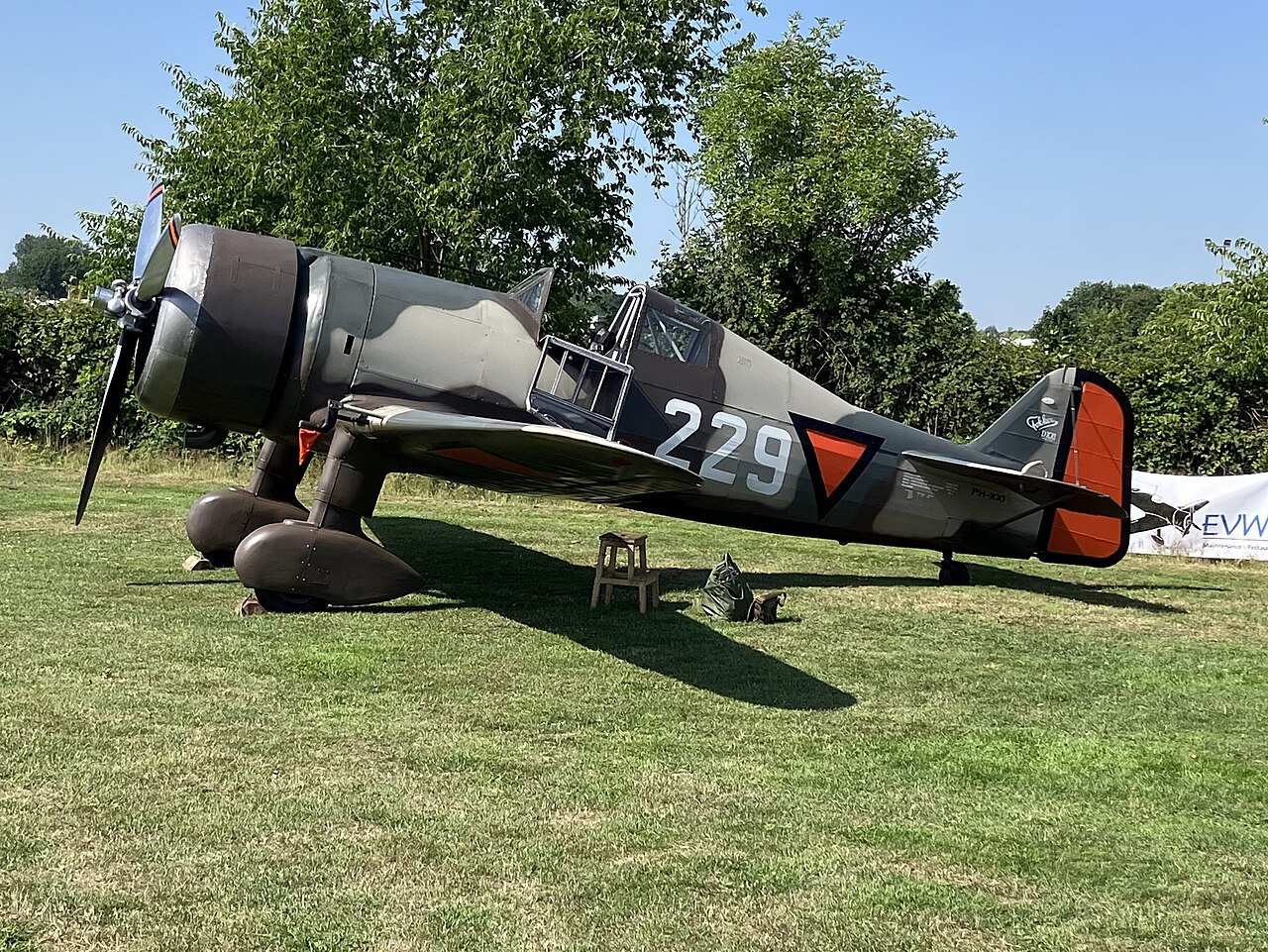
1930s single‑seat, single‑engine fighter by Fokker. Served with the Netherlands, Denmark and Finland in early World War II; noted for ruggedness and operational practicality despite being outclassed by faster fighters.
The Fokker D.XXI was a compact, single‑seat fighter aircraft designed and produced by the Dutch manufacturer Fokker in the mid‑1930s. Intended as an economical and sturdy defensive fighter, it combined a low‑wing monoplane layout with conservative features that emphasized reliability and ease of maintenance. The type reached operational units shortly before the outbreak of World War II and was pressed into service when hostilities began.
Image gallery
10 Images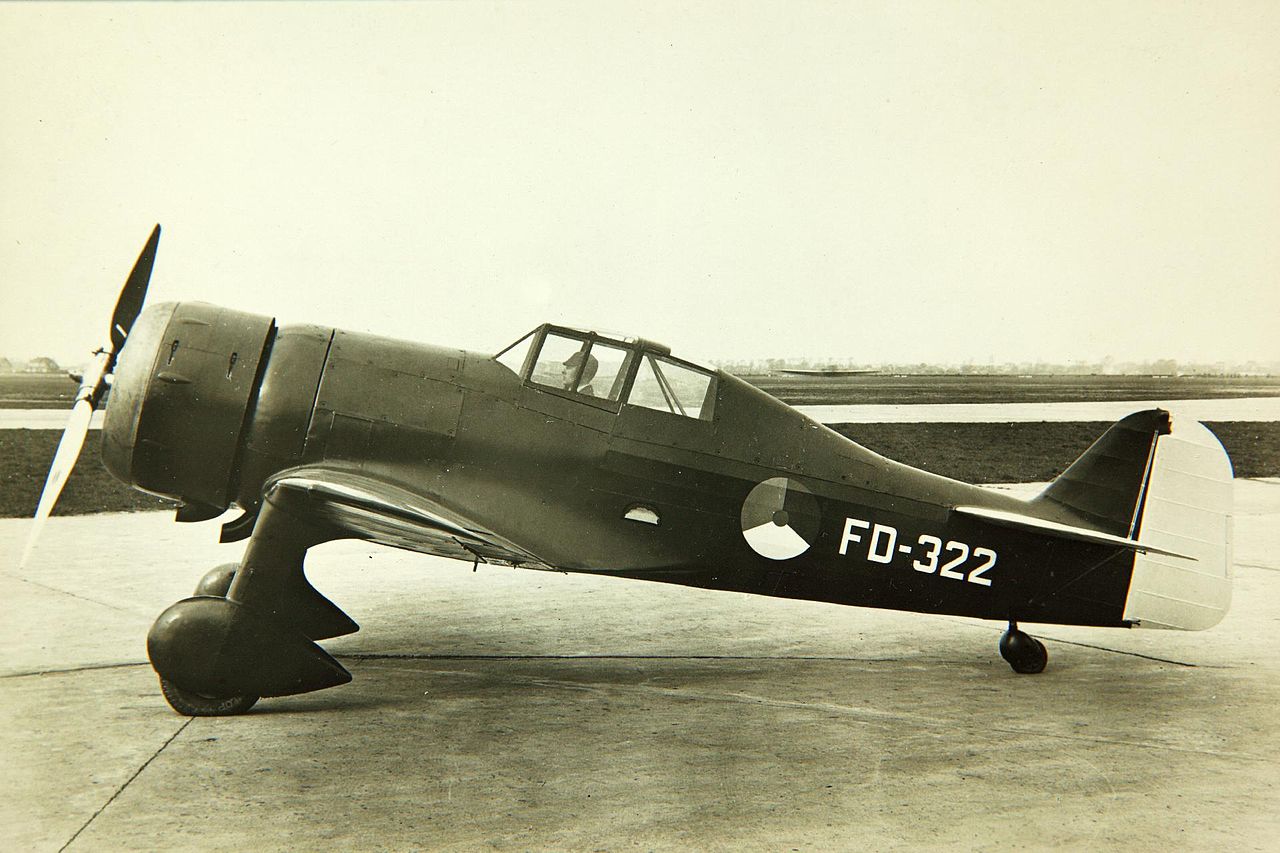




Design and characteristics
Built as a single‑engine aircraft with a single pilot, the D.XXI favored simplicity over the latest technical innovations. Its structure emphasized robustness suitable for rough airstrips and austere field conditions. Many contemporary fighters were moving toward increasingly complex systems, but the D.XXI retained design choices that made it easier to operate and sustain in the field, including straightforward servicing requirements and a compact airframe suited to local defence duties.
- Role: single‑seat interceptor and short‑range defence fighter.
- Construction: rugged airframe intended for reliability and quick turnaround on the ground.
- Performance trade‑offs: practical handling and durability rather than top speed or extreme climb.
Operational history
When Germany invaded the Netherlands in May 1940 the D.XXI was the principal front‑line fighter of the Dutch Air Force. Despite determined efforts by Dutch pilots and ground crews, the type was generally outclassed in speed and climb by contemporary German fighters such as the Messerschmitt Bf 109, and many airframes were lost in the brief campaign. The opposing Luftwaffe achieved air superiority, but D.XXI crews were commended for spirited resistance and effective use of the aircraft within its limits.
Outside the Netherlands the D.XXI saw varied service. Denmark purchased a small number which had a limited operational life after the German occupation. Finland acquired D.XXIs and employed them with relative success against Soviet air forces; Finnish pilots adapted tactics to exploit the type's strengths, such as maneuverability at low altitude and rugged handling from improvised airfields.
Variants, roles and adaptations
Production examples and minor variants reflected export requirements and incremental improvements rather than radical redesigns. The D.XXI performed interception, local air defence and occasional ground‑attack missions when required. Its straightforward design allowed for rapid repairs and operation from less developed bases, a quality valued by smaller air arms facing larger adversaries.
Legacy and preservation
The Fokker D.XXI is often cited as an example of pre‑war pragmatic design: it prioritized reliability and ease of maintenance over outright performance. While it was progressively superseded by faster and more heavily armed aircraft as the war continued, the D.XXI remained important where operational conditions matched its capabilities. Several museums and collections preserve examples or replicas, and the type is discussed in studies of interwar and early wartime aviation as a representative historic aircraft that served smaller national air forces under difficult circumstances.
Operators
- Kingdom of the Netherlands — primary initial operator.
- Denmark — small batch for national defence.
- Finland — used effectively in the early stages of conflict with the Soviet Union.
Related articles
Author
AlegsaOnline.com Fokker D.XXI — Dutch single‑engine fighter of the 1930s Leandro Alegsa
URL: https://en.alegsaonline.com/art/35347