
Aviation: Principles, History, Roles, and Contemporary Issues
A concise overview of aviation covering principles, components, history, civil and military uses, regulation, safety, environmental issues and current technological trends.
Overview
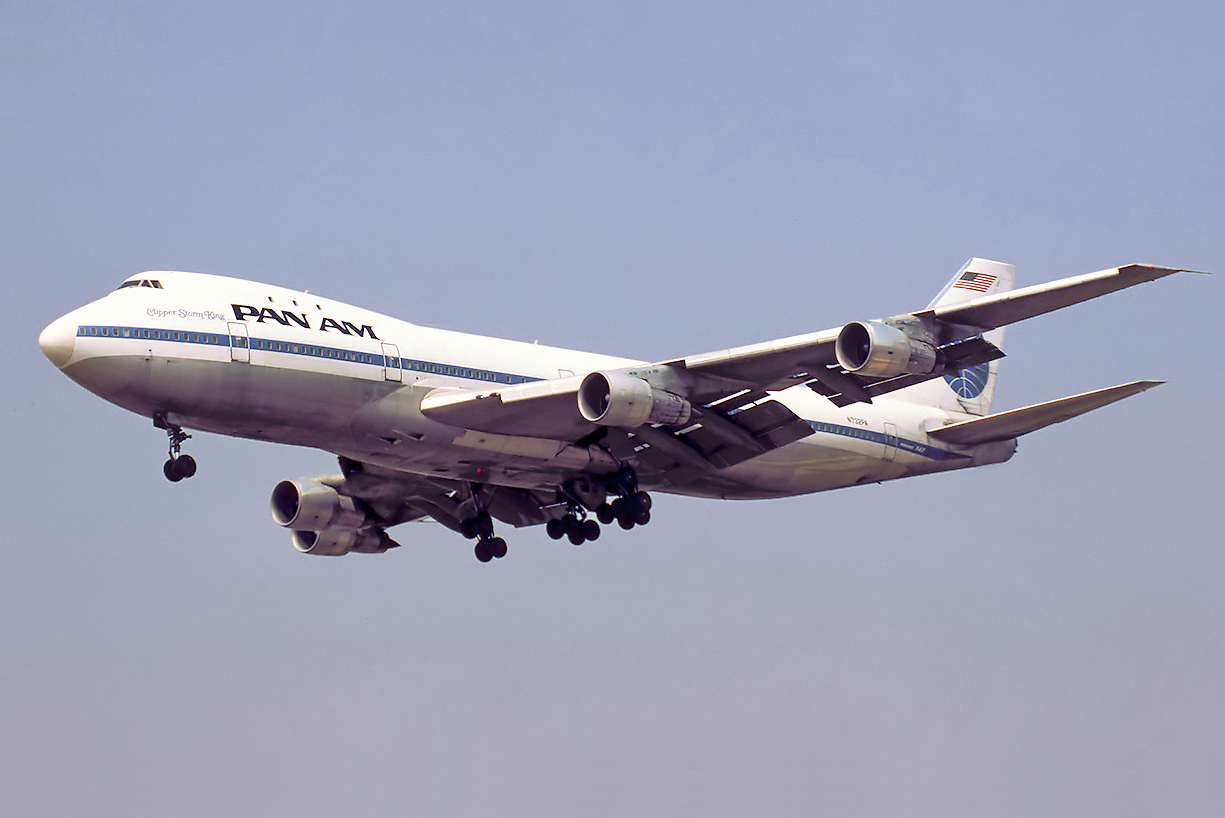
Aviation is the practice, industry and science of operating aircraft such as the aeroplane and related vehicles. It encompasses the design and manufacture of airframes and engines, the training and licensing of crews, the infrastructure of airports and airspace, and the institutions that regulate and manage flight. See a general entry about aircraft for common vehicle types.
Image gallery
10 Images



Core components and operations
Key technical elements include the airframe, propulsion systems, avionics and flight controls. Operational components include airports, ground handling, maintenance, flight planning and centralized services. Day‑to‑day safety and efficiency rely on trained personnel and systems such as air traffic control, and on standardized flight operations procedures used by commercial and general aviation.
Typical uses
Aviation supports passenger and cargo air travel, military roles like reconnaissance and strike in military aviation, and a range of civil missions including emergency medical transport, aerial firefighting, agricultural spraying and scientific observation flights. Business aviation and recreational flying form part of general aviation.
Major distinctions
- Civil aviation: private, business and scheduled airline operations operating under civil regulations.
- Commercial aviation: airlines and freight operators that carry passengers and goods for hire.
- Military aviation: defense, surveillance, and combat aircraft and supporting systems.
History and development
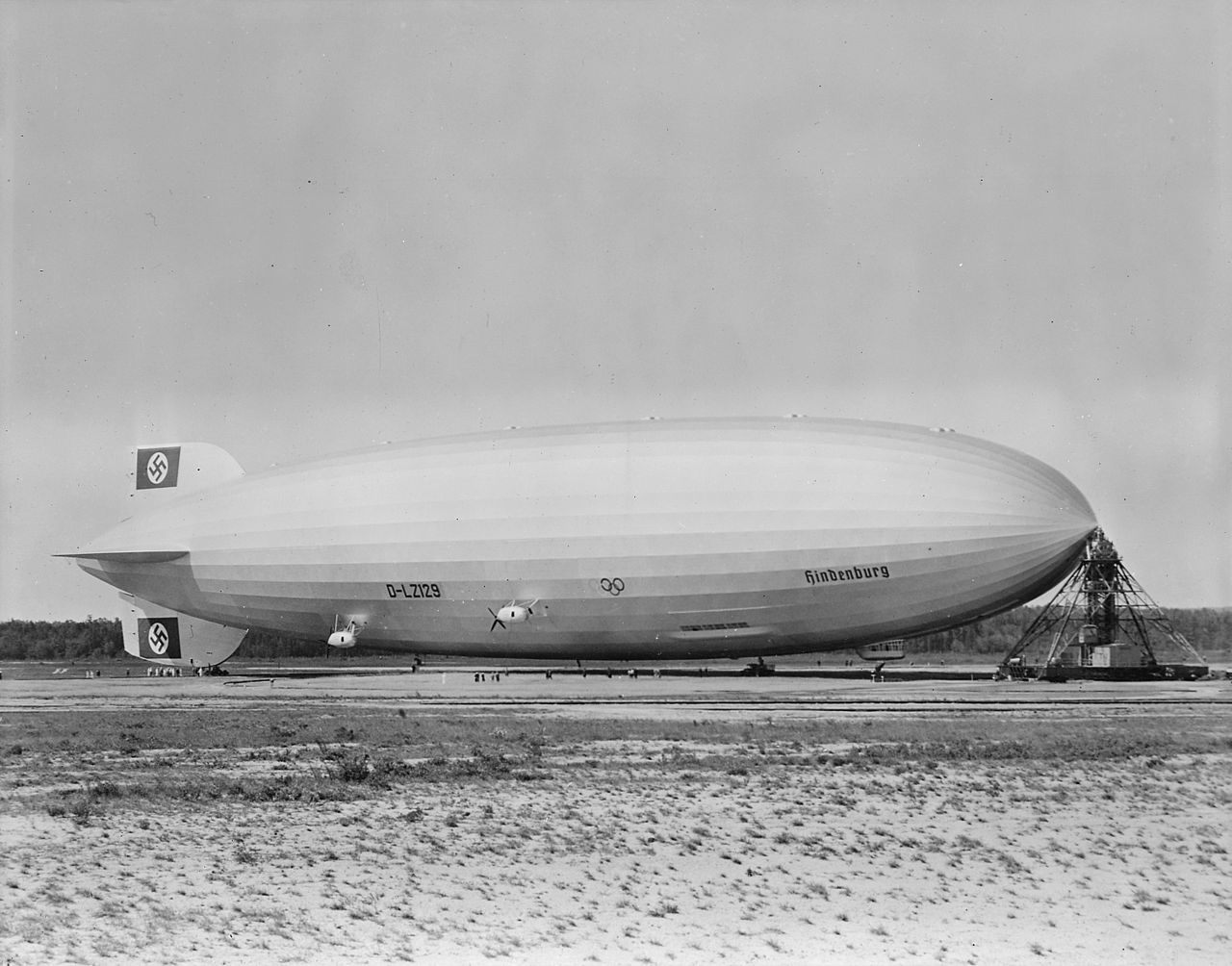
From early gliders and pioneering powered flights the field advanced through improvements in materials, propulsion, aerodynamics and navigation. The 20th century saw rapid growth of scheduled air transport, which integrated into global commerce and travel. Military requirements historically accelerated innovations that later migrated to civil designs.
Regulation, safety and training
Aviation is tightly regulated: airworthiness standards, crew licensing, airport certification and operational rules aim to reduce risk. Safety depends on design margins, maintenance regimes, crew training and systematic investigation of incidents to guide improvements.
Environmental and current issues
Key contemporary concerns include noise, local air quality and greenhouse gas emissions from aircraft. The industry pursues more efficient airframes and engines, sustainable aviation fuels, improved air traffic management and the emergence of electric and hybrid propulsion. Unmanned aircraft systems and increased automation present operational and regulatory challenges.
Further reading
For practical guidance consult authoritative resources on aircraft design, pilot training, airport operations and aviation safety. Industry and national aviation authorities publish standards and guidance that underpin everyday operations and future developments.
Tags
Related articles
Author
AlegsaOnline.com Aviation: Principles, History, Roles, and Contemporary Issues Leandro Alegsa
URL: https://en.alegsaonline.com/art/7742