
Pilot — operators of aircraft, spacecraft and vessels
An overview of pilots: who they are, the tasks they perform, different types (air, maritime, space), training and licensing, historical development, and distinctions such as captain vs pilot.
Overview
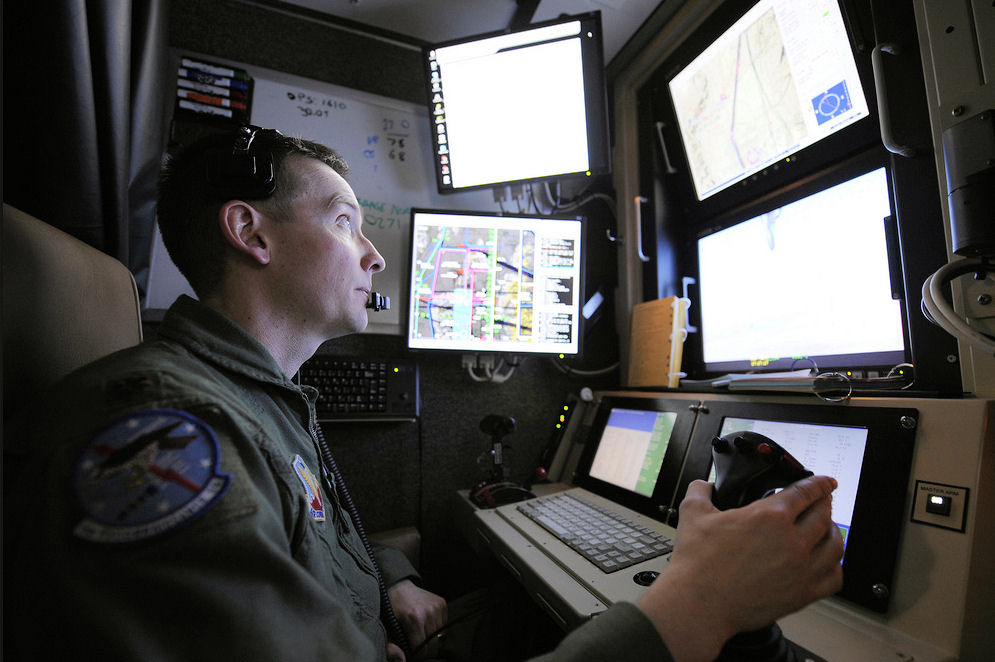
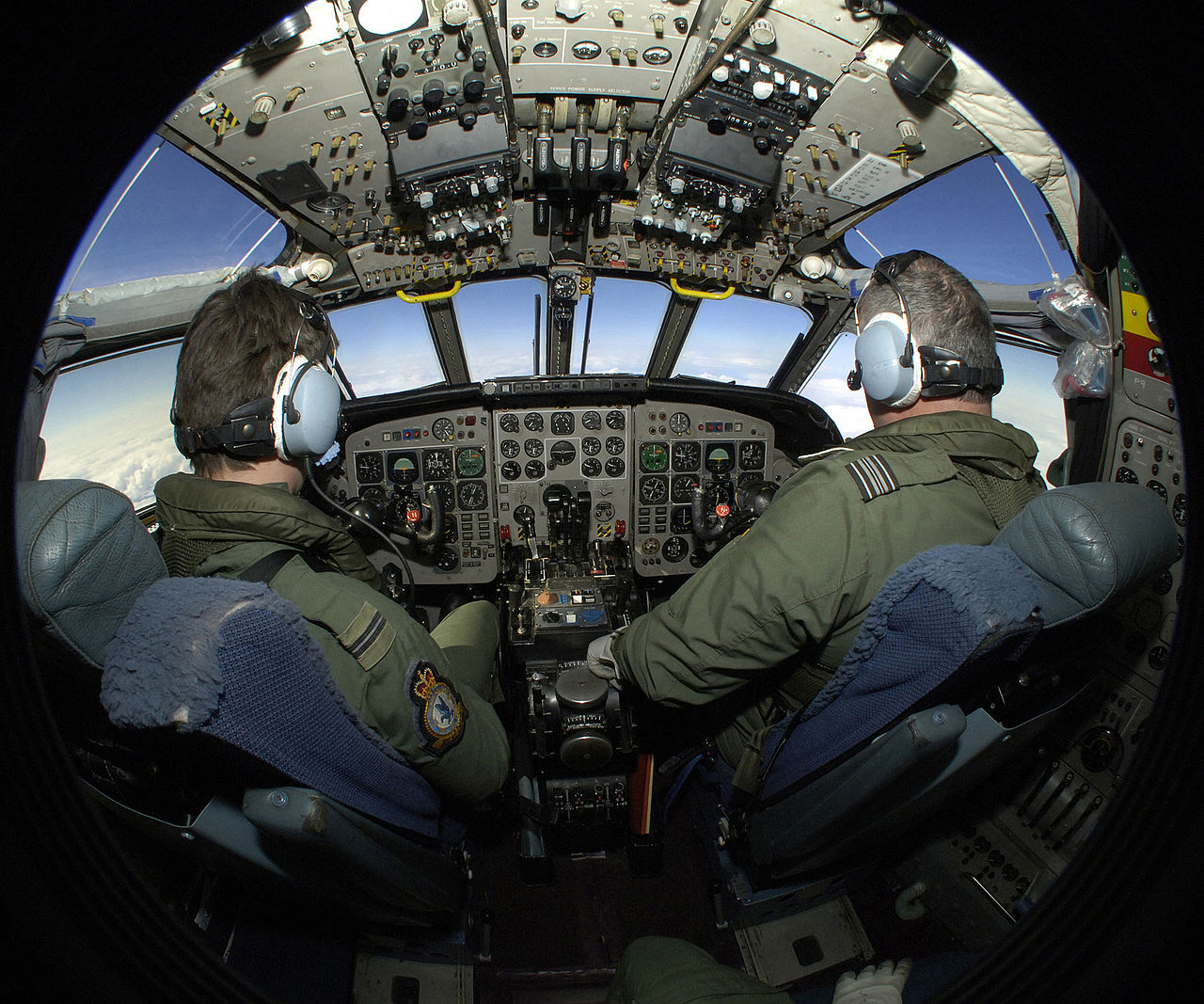
A pilot is a trained person who controls or guides a vehicle used for transport, whether that is an airplane, helicopter, spacecraft, or ship. Pilots are responsible for navigating the vehicle safely from one point to another and for making operational decisions during a journey. The word applies to professionals who operate vehicles of many kinds, and to specialists who board larger vessels to assist with specific maneuvers.
Image gallery
8 Images



Roles and responsibilities
Responsibilities vary by domain but commonly include planning and preparing for the trip, monitoring instruments and systems, communicating with ground or shore authorities, and responding to emergencies. In aviation, one crew member is typically the pilot-in-command with ultimate responsibility for the flight; a co‑pilot assists and shares duties. In maritime settings, a local pilot may take charge only for the passage through a confined or hazardous area such as a harbor.
Common types of pilots
- Airline and general aviation pilots: operate fixed-wing aircraft and helicopters for transport, training, or private use.
- Test and experimental pilots: evaluate aircraft performance and systems.
- Maritime pilots: board ships to guide them through ports, channels, or rivers when local knowledge is required.
- Spacecraft pilots: astronauts or cosmonauts trained to control and navigate space vehicles and rendezvous in orbit.
Training and certification
Pilots must meet regulatory standards that include written exams, practical tests, and medical checks before obtaining an official license. The precise requirements differ by country and by type of vehicle; advancing to higher levels or commercial roles generally requires additional training, logged hours, and recurrent checks. Aviation candidates learn aerodynamics, navigation, meteorology and emergency procedures; maritime pilots combine seamanship with intimate knowledge of local waters.
History and development
The concept of a pilot predates powered flight: maritime pilots guided ships for centuries, using local knowledge of tides and hazards. When powered flight emerged, many nautical terms and practices transferred to aviation. Over time, professional training programs, standardized licensing and technological aids (such as radio navigation and automated systems) changed how pilots operate, while the core skill—making safe, timely decisions—remains central.
Importance and distinctions
Pilots are crucial for the safety and efficiency of transport networks. Notable distinctions include the difference between a ship's captain, who has overall command of the vessel, and a maritime pilot, who provides expertise for a limited passage; similarly, a flight crew divides duties between commander and other pilots. Spacecraft pilots often also serve as mission specialists, combining manual control with scientific responsibilities. For more general information about spacecraft roles see spacecraft resources and for marine practice consult material on boats.
Related articles
Author
AlegsaOnline.com Pilot — operators of aircraft, spacecraft and vessels Leandro Alegsa
URL: https://en.alegsaonline.com/art/76926