
Erich Hartmann: Germany's highest-scoring World War II fighter ace
Erich 'Bubi' Hartmann (1922–1993), credited with 352 aerial victories, his wartime service with the Luftwaffe, decade-long Soviet captivity, postwar Bundesluftwaffe career and legacy.
Overview
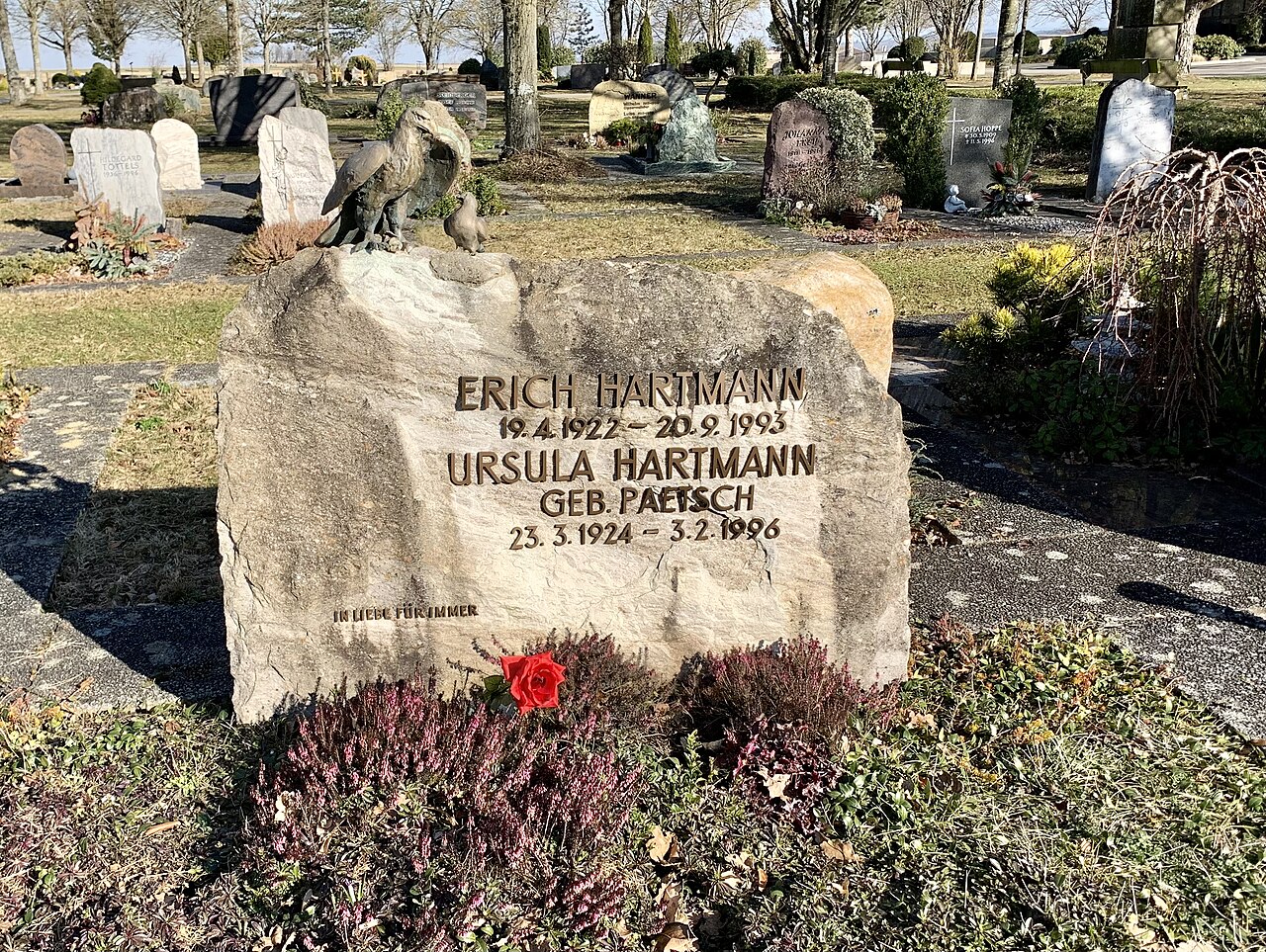
Erich Alfred "Bubi" Hartmann (19 April 1922 – 20 September 1993) was a German fighter pilot credited with the highest number of aerial victories in history. Serving in the Luftwaffe during World War II, Hartmann is commonly cited with 352 claimed shoot-downs, most of them on the Eastern Front. His nickname "Bubi" ("kid") reflected his youthful appearance and the regard of comrades.
Image gallery
8 Images




Combat record and flying style
Hartmann flew a large number of combat sorties and engaged in hundreds of air battles. He flew primarily the Messerschmitt Bf 109 and developed a reputation for close-range tactics and careful marksmanship. Rather than relying on long-range firing, he favored attacking from positions that maximized his chance of a confirmed kill while minimizing risk to himself and his wingmen.
Captivity and postwar service
At the end of the war Hartmann surrendered to U.S. forces but was transferred to Soviet custody and spent roughly a decade in prison camps before his release in the mid-1950s. After returning to Germany he joined the newly formed West German Air Force (Bundesluftwaffe), where he served again as a fighter pilot and instructor and rose to the rank of colonel. He later left military service amid disagreements with senior officers and continued to teach civilian and military pilots.
Awards, records and recognition
- Credited aerial victories: commonly reported as 352 (largest total for any fighter pilot).
- Recipients of Germany's highest wartime decorations, including the Knight's Cross with Oak Leaves, Swords and Diamonds.
- Remembered as a symbol of tactical skill on the Eastern Front and the subject of numerous books and studies.
Legacy and notable facts
Hartmann's record remains one of the most discussed in military aviation history. Historians note his high tally was influenced by the intensity of fighting on the Eastern Front and the prolonged period he flew in front-line units. After his return from captivity he became a mentor to younger pilots and an advocate for careful training. His life story illustrates both the extreme career of a wartime ace and the complex aftermath of World War II for German servicemen.
For more contextual reading on the Luftwaffe, the concept of the flying ace, the broader war in which he fought and the postwar German armed forces, see additional resources and archives. Luftwaffe overview World War II context Rank details
Related articles
Author
AlegsaOnline.com Erich Hartmann: Germany's highest-scoring World War II fighter ace Leandro Alegsa
URL: https://en.alegsaonline.com/art/31904
Sources
- au.af.mil : "Fighter Pilot Aces List"