
Firefighting: methods, risks, equipment, and history
Comprehensive overview of firefighting: objectives, tactics, protective equipment, hazards, organization, prevention and historical development.
Overview
Firefighting is the organized effort to control, suppress and extinguish unwanted fires to protect people, property and the natural world. Modern firefighting addresses incidents in structures such as buildings, transportation like vehicles, and outdoors in wildland and urban interface areas. A firefighter combines tactics, tools and coordination to limit harm to property, the environment and people.
Image gallery
10 Images




Roles, organization and training
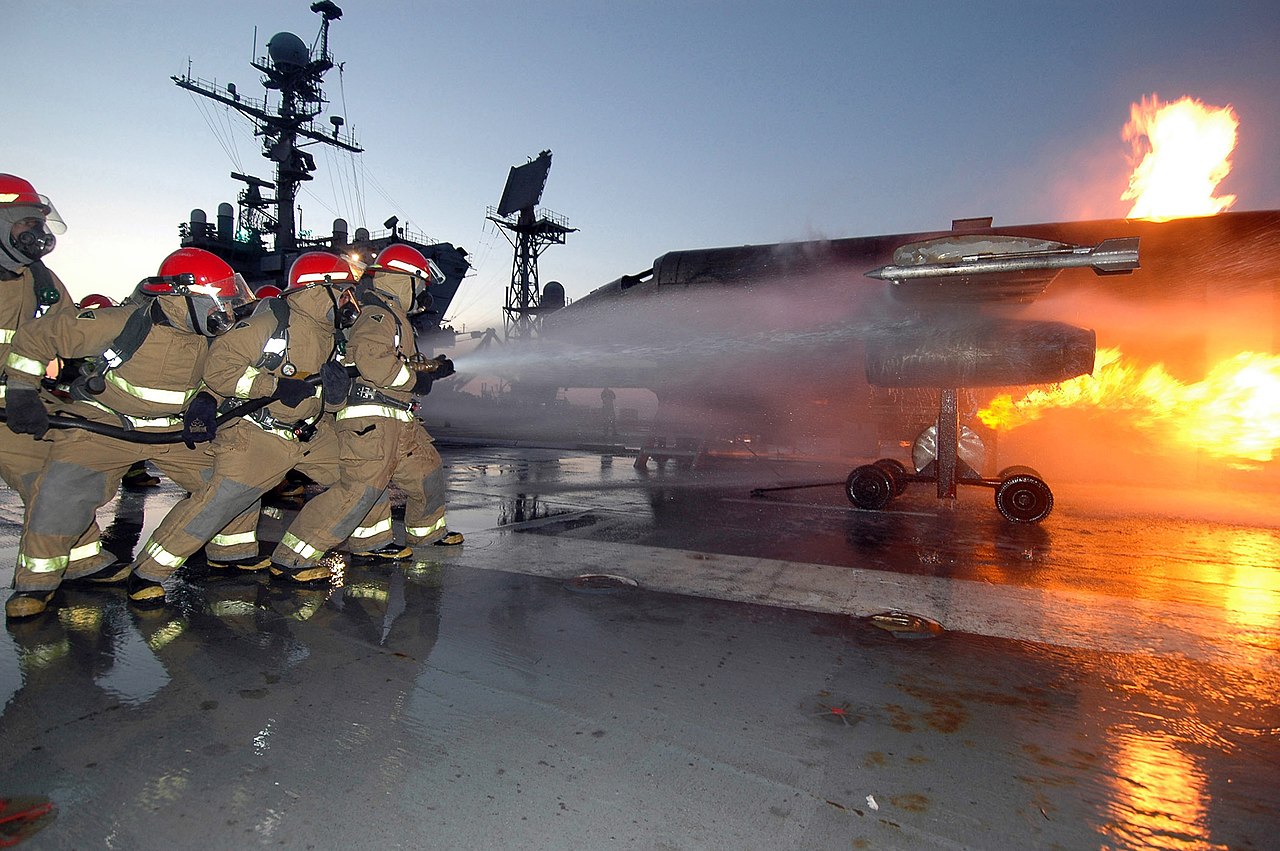
Fire services vary by country and locality and may be professional, volunteer or a combination. Crews perform firefighting as well as emergency medical response, technical rescue and hazardous materials operations. Most departments require extensive training, including live-fire practice, vehicle extrication, rope rescue, hazardous-materials handling and incident command. Fitness standards, drills and continuing education maintain readiness and safety.
Hazards and protective measures
Fire scenes present multiple dangers. Common hazards include toxic combustion products, extreme heat, falling structures and poor visibility. Burning materials release poisons and particulates; inhaling smoke is a leading cause of injury or death. Fires can deplete oxygen and create unstable atmospheres. To manage risk, firefighters use personal protective equipment (PPE) such as turnout gear, helmets, gloves, boots and self-contained breathing apparatus (SCBA), along with thermal imaging cameras, accountability systems and decontamination procedures.
Extinguishing methods and agents
Extinguishing a fire requires interrupting the combustion triangle: heat, fuel and oxygen. Water is the most common extinguishing medium because it cools hot surfaces and, when applied in sufficient volume, water vaporizes; the resulting vapor can help displace oxygen near the flame. Other methods include smothering to remove oxygen, using foam or wetting agents to separate fuel from air, dry chemical powders for flammable liquids, and CO2 for small electrical and liquid fires. Fixed systems, portable extinguishers and fire-retardant foams are chosen based on fuel type and setting.
Structural versus wildland tactics
Structural firefighting typically focuses on rapid search and rescue, interior attack on seat-of-fire and ventilation to remove heat and smoke. Wildland firefighting emphasizes containment, fireline construction, controlled burns and use of natural barriers; crews often work with aerial resources. The tools, breathing protection and clothing differ between environments, reflecting distinct hazards and operational tempos.
Health, safety and long-term risks
Beyond immediate dangers, firefighters face long-term health risks from repeated smoke exposure and toxic residues. Departments implement medical monitoring, fitness programs and procedures for isolation and cleaning of contaminated gear. Psychological stress and cumulative physical strain are also recognized occupational concerns requiring support and prevention strategies.
Prevention, education and community role
Modern firefighting includes prevention through building codes, inspections, smoke alarms and public education programs. Fire services conduct outreach on home escape planning, safe use of heaters and cooking safety, and coordinate with planners to reduce wildfire risk. Volunteers and career firefighters both contribute to community resilience and disaster response systems.
History and development
Organized responses to fire date back to ancient bucket brigades and manual pumps. Over centuries municipal brigades, fire insurance incentives, alarm systems and building regulations evolved. The transition from horse-drawn to motorized engines, the development of modern breathing apparatus and improved protective clothing significantly expanded capability and safety in the 19th and 20th centuries.
Quick reference
- Primary tactics: cooling, smothering, removing fuel and interrupting chemical reactions.
- Common equipment: PPE, SCBA, hoses, pumps, aerial ladders, thermal imagers and forcible entry tools.
- Common risks: smoke, heat, toxic gases (poisons), oxygen depletion and collapse.
- Training topics: training, incident command, hazardous materials, wildland tactics and rescue skills.
For further reading, consult general resources on firefighting practice, local department pages for structural and vehicle incidents such as structural and vehicle responses, and environmental guidance for wildfires and ecosystem protection at environmental resources. Specialized topics and supplier information are available through technical manuals and official training bodies; see footnotes and links provided by your local authority or recommended agencies for jurisdiction-specific procedures and standards.
Additional references and training centers often provide downloadable guides and course listings; search departmental sites and professional associations for certified programs and safety bulletins at firefighter organizations and public safety portals at property safety pages. For controlled burn policies and wildland coordination consult regional fire management resources and cooperative agencies.
Related articles
Author
AlegsaOnline.com Firefighting: methods, risks, equipment, and history Leandro Alegsa
URL: https://en.alegsaonline.com/art/34482
Sources
- nationalcareersservice.direct.gov.uk : "Firefighter"
- fireservice.co.uk : "Recruitment-UK Fire Service"
- ccohs.ca : "Fire Fighter"