
Hazard: types, assessment, and control
An overview of hazards—conditions or agents with potential to cause harm—covering types, the difference from risk, identification and assessment, control measures, and common examples including traffic contexts.
A hazard is any condition, substance, or activity that has the potential to cause harm to people, property, the environment or reputation. The word is used across many fields—from workplace safety and public health to meteorology and transportation—to indicate something that may lead to injury, illness, damage or loss if not managed. Understanding hazards is a first step in preventing accidents and reducing negative outcomes.
Image gallery
5 Images


Types and characteristics
Hazards are commonly grouped by the type of harm they can cause. Typical categories include:
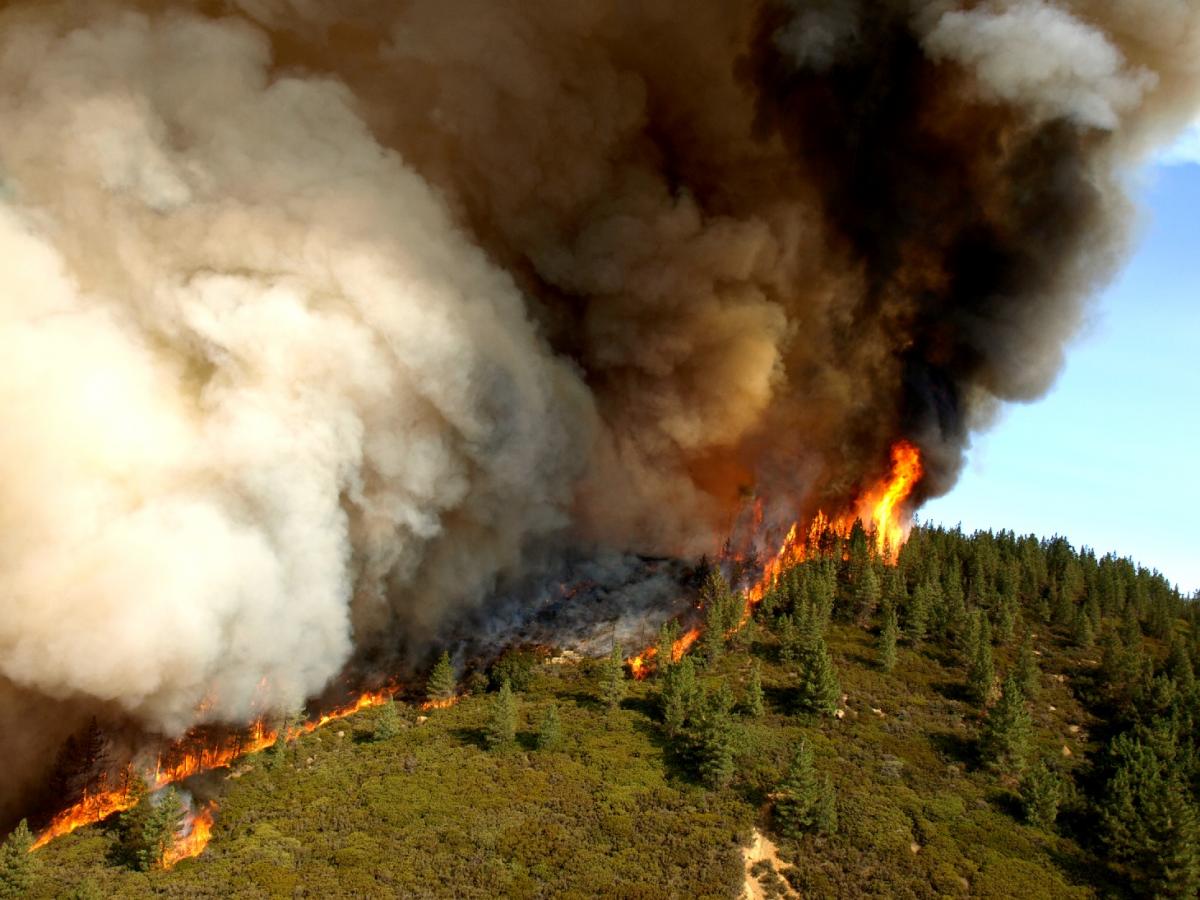
- Physical hazards: things like fire, electricity, heights, noise, and moving machinery that can cause direct injury.
- Chemical hazards: toxic, corrosive, flammable or reactive substances such as fuels, solvents and acids.
- Biological hazards: bacteria, viruses, molds and other organisms that may cause disease.
- Ergonomic hazards: repetitive motions, poor posture or design that can lead to musculoskeletal disorders.
- Psychosocial hazards: stress, workplace violence or harassment that affect mental health.
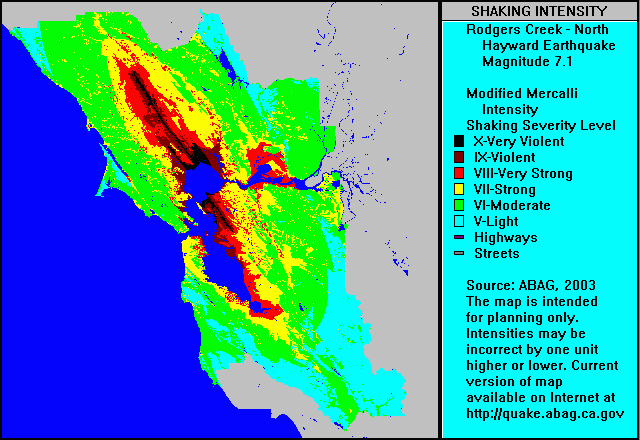
- Natural hazards: floods, earthquakes, storms and other environmental events.
Hazard versus risk and assessment
It is important to distinguish a hazard from the risk it presents. A hazard is the intrinsic potential to cause harm; risk is the likelihood and severity of that harm occurring in a particular situation. Risk assessment combines identification (what could cause harm), analysis (how likely and how serious), and evaluation (is the risk acceptable). Practical hazard identification often uses checklists, inspections, job safety analyses and material safety data sheets (SDS).
Control and management
Managing hazards typically follows a hierarchy of controls that prioritizes elimination and reduction over personal protection. Common steps include:
- Elimination: remove the hazard completely where feasible.
- Substitution: replace a hazardous material or process with a less hazardous one.
- Engineering controls: isolate people from the hazard (guards, ventilation, barriers).
- Administrative controls: change work procedures, training, signage and scheduling.
- Personal protective equipment (PPE): gloves, goggles, respirators and other gear.
Communication about hazards—through labels, training, signage and the Globally Harmonized System (GHS) for chemical labeling—is an essential part of control so people can take appropriate precautions.
Examples, contexts and notable uses
Examples of hazards range from an exposed live electrical wire in a workshop to ice on a road, a corrosive cleaning agent in a laboratory, or a contagious patient in a hospital. In traffic and driver instruction contexts the term "hazard" refers to anything a motorist should notice and respond to appropriately. That might be a child playing on a pavement who could enter the roadway, or an unexpected obstruction: drivers are trained to observe, anticipate and adapt speed and position accordingly, and some jurisdictions reflect this in traffic law.
Across professions and public policy, assessing hazards helps prioritize resources, inform regulation, and guide emergency planning. While methods and terminology vary by field, the core idea is consistent: identify what can cause harm, estimate the consequences, and take sensible steps to reduce the chance and severity of that harm.
Related articles
Author
AlegsaOnline.com Hazard: types, assessment, and control Leandro Alegsa
URL: https://en.alegsaonline.com/art/42989