
Fishing Line: Types, Properties, and Practical Uses
An overview of fishing line—materials, ratings, common types, uses and care—covering monofilament, fluorocarbon, braided lines, and environmental considerations.
A fishing line is the flexible cord used to connect bait or lures to a rod and reel in angling. It is a fundamental component of tackle: its strength, visibility, stretch and handling affect how anglers cast, fight fish and detect bites. Lines are made from a variety of materials and are chosen to match technique, species and water conditions.
Image gallery
4 Images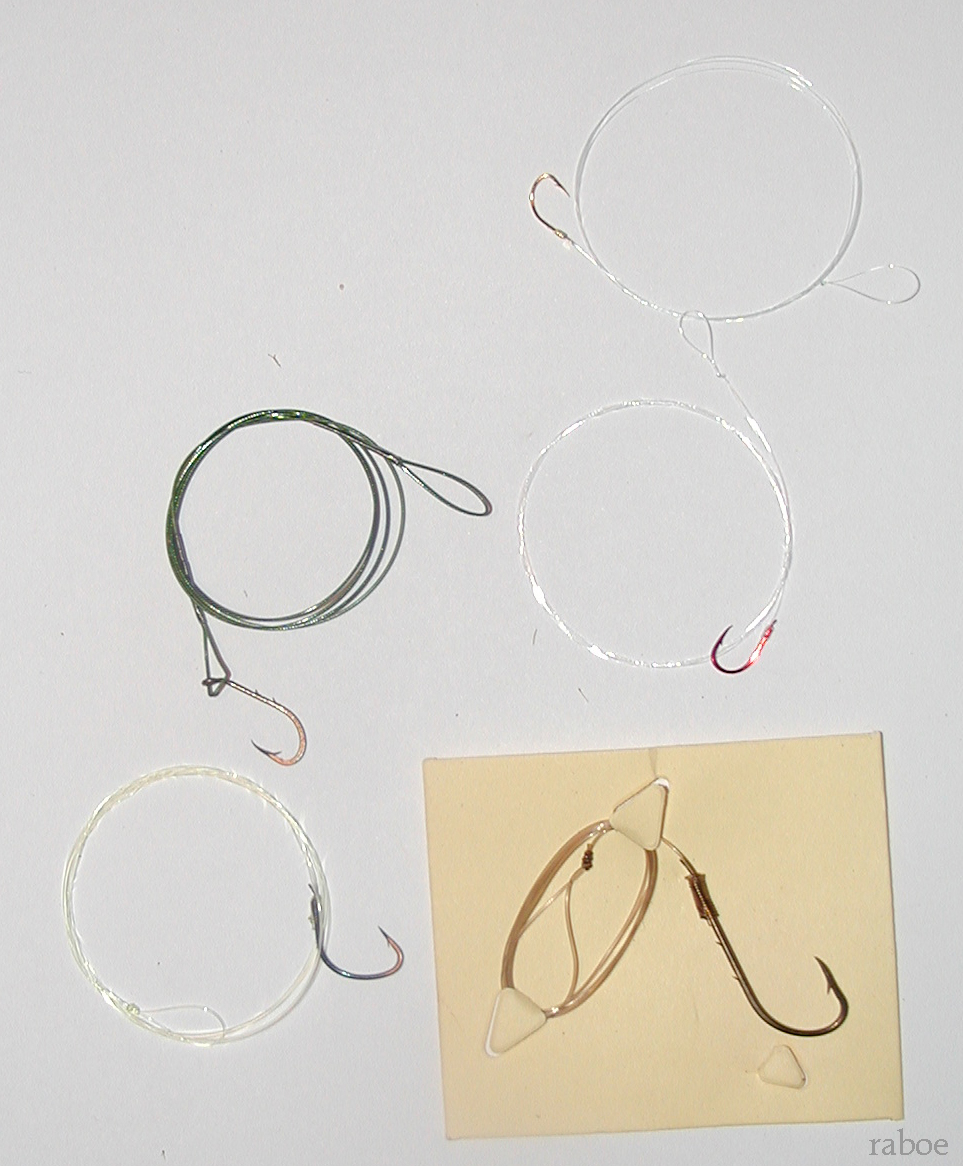


Materials and common types
The main modern categories are monofilament, fluorocarbon and braided lines. Monofilament is a single strand of synthetic polymer that remains widely used because of its balance of cost, stretch and buoyancy. Fluorocarbon sinks more readily and is less visible underwater. Braided lines, made from woven high-strength fibers, offer very high strength for a given diameter and near-zero stretch. Copolymers and specialty blends aim to combine attributes such as abrasion resistance and improved knotability.
Key characteristics and ratings
Fishing line is specified by several performance measures. The most familiar is breaking strength or "pound-test," which indicates the force required to break the line. Other important factors include diameter (affecting spool capacity and water resistance), stretch (affecting shock absorption and bite detection), memory (tendency to hold coils), abrasion resistance, and visibility in the water. These qualities influence how well a line casts and how reliably knots hold; anglers often balance them to suit a technique or species.
- Breaking strength: commonly displayed in pounds
- Castability: how easily a line leaves the spool and travels through guides (castability)
- Knot strength: ability to retain strength after tying (knot strength)
- Abrasion resistance: important near structure or rough substrate
Configurations and typical uses
Anglers combine mainline with backing, leaders and tippets to meet performance goals. Backing fills spool capacity and helps when a fish runs far; leaders (often fluorocarbon or heavier mono) reduce visibility or provide abrasion resistance near the bait. Light monofilament or thin braid is common for panfish and freshwater casting, while heavy braid or stout mono suits big-game saltwater work. Fly fishing uses specialized tapered lines and very thin tippets for presentation.
History, care and environmental notes
Early fishing lines were made from natural fibers—animal sinew, plant fiber, silk—until synthetic polymers became widespread in the mid-20th century. Modern lines offer superior strength and durability, but lost or discarded line poses hazards to wildlife and navigation. Proper disposal, recycling programs and cutting retrieved line into small pieces before discarding reduce risk. Regular inspection for nicks, UV damage and fraying helps prevent failure: replace line that shows wear and retie knots after prolonged use.
Choosing the right line requires weighing strength, stretch, visibility and abrasion resistance for the intended fishery and gear. Careful selection and maintenance improve angling success and reduce environmental impact.
Related articles
Author
AlegsaOnline.com Fishing Line: Types, Properties, and Practical Uses Leandro Alegsa
URL: https://en.alegsaonline.com/art/34641