
Fishing reel: function, types, history and practical use
A fishing reel is a mechanical device attached to a rod that stores, releases and retrieves line. This article explains parts, common reel types, history, uses, maintenance and notable distinctions.
Overview and purpose
A fishing reel is a mechanical device that mounts to a fishing rod and stores, releases and retrieves fishing line. It assists with casting for distance and accuracy, provides line retrieval via a handle or crank, and offers a controllable drag to manage fish runs. Reels are central to the recreational practice of angling and are also used in the sport of competitive casting. Early references to the combination of rod and reel appear in historical texts; the tool has evolved from simple wooden spools to precision-machined mechanisms.
Image gallery
10 Images




Basic parts and characteristics
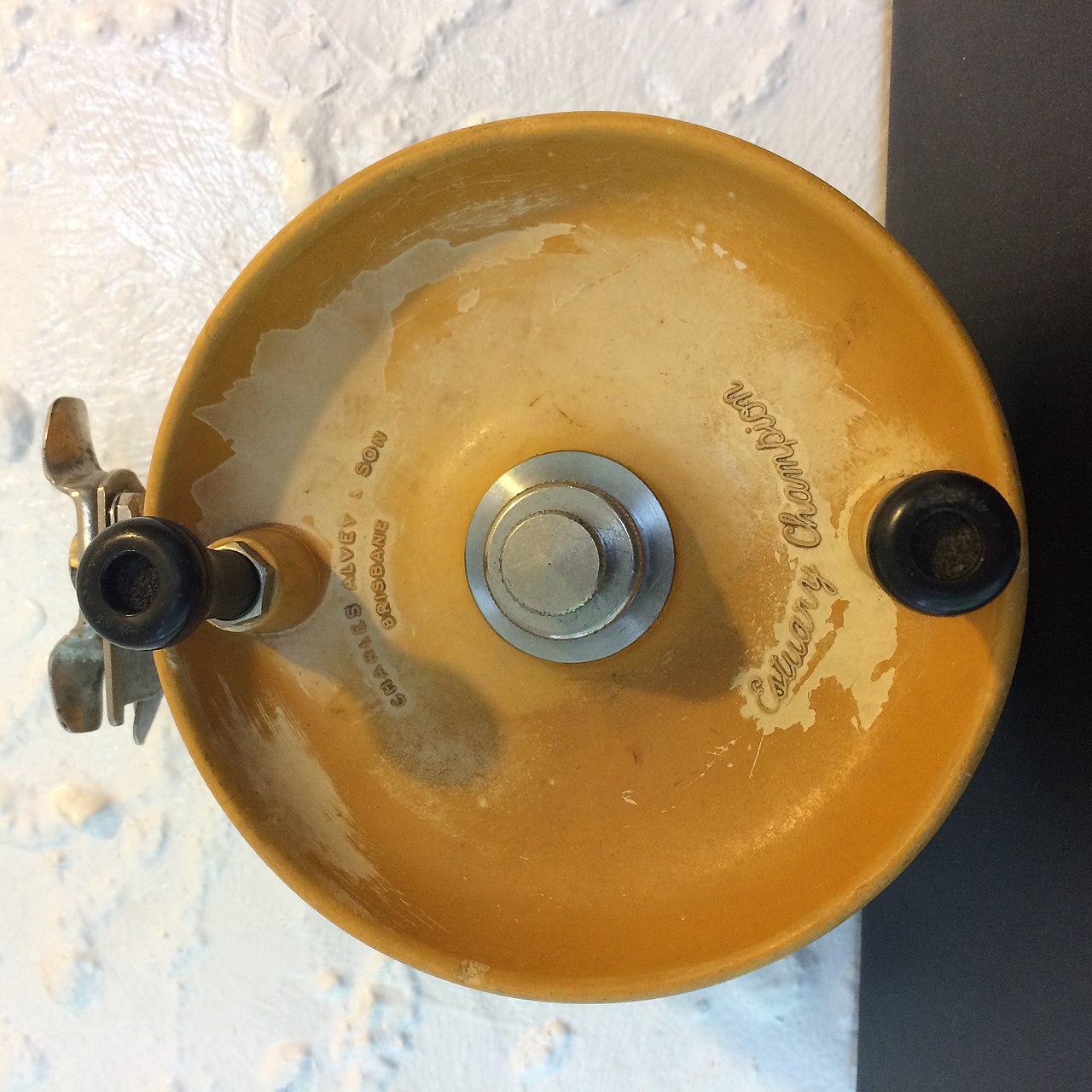
Common components include a spool that holds line, a handle to retrieve line, a drag system to control tension, a bail or level wind to guide line, and a reel foot that secures the reel to the rod. Modern reels are built from a variety of materials—aluminum, graphite, stainless steel and composites—chosen for weight, strength and corrosion resistance. Key specifications anglers watch are gear ratio, line capacity, drag rating and anti-reverse features.
Major reel types
- Spinning reels: Popular for beginners and many anglers for their ease of casting and versatility.
- Baitcasting reels: Offer precise control and power for heavier lures and lines when properly mastered.
- Spincast reels: Enclosed face design that reduces tangles and suits casual anglers.
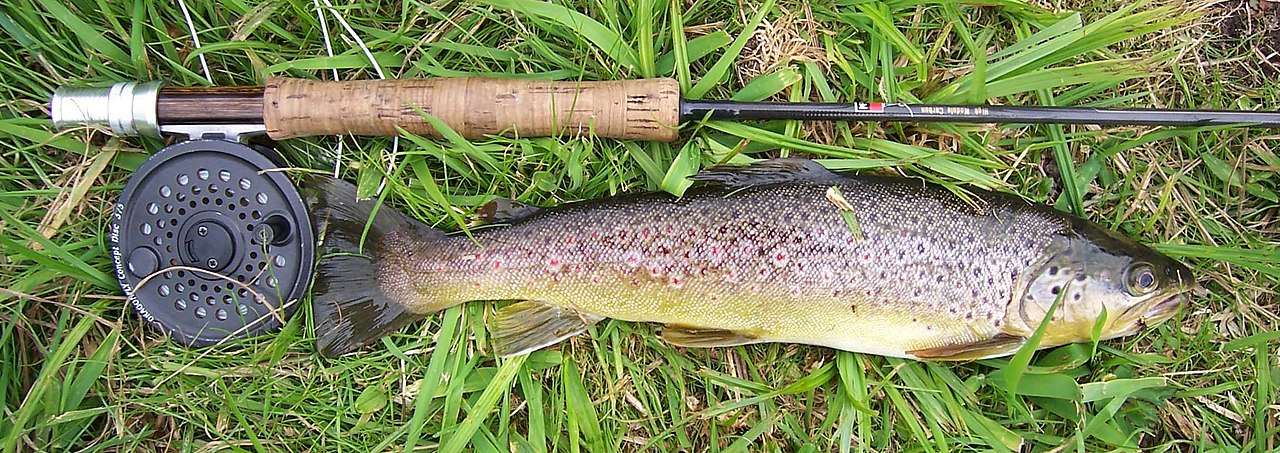
- Fly reels: Built for fly fishing where line control and balance on a fly rod are primary concerns.
- Specialized reels: Includes trolling reels, centerpin reels and heavy-duty offshore reels mounted to boats.
History and development
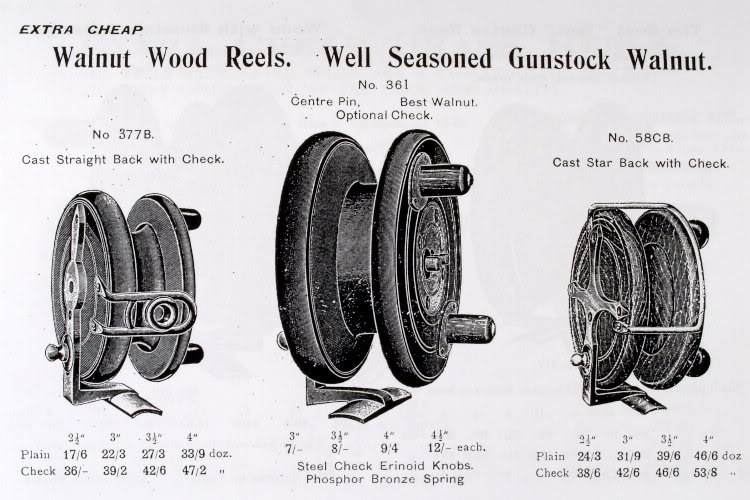
References to early reel-like devices appear in ancient Asian manuscripts. One of the earliest documented mentions is from roughly 1,100 years ago in China. Reels appear in English sources by about 1650, and by the 1760s London tackle shops were advertising gear-retrieved reels. In the United States, improvements continued into the 19th century; an American watchmaker and inventor credited with an early gear-multiplying model appeared around 1810. Over the 19th and 20th centuries, manufacturing advances introduced precision gearing, sealed drags and corrosion-resistant alloys.
Uses, examples and notable facts
Fishing reels are used across freshwater and saltwater settings for species from panfish to large pelagic gamefish. Competitive casting events test distance and accuracy using specialized reels. Recreational anglers choose reel types based on target species, casting style and line type. Modern designs focus on lighter weight, smoother drag performance, and improved casting mechanisms to reduce backlashes and wind knots.
Maintenance and selection tips
Regular maintenance extends reel life: rinse after saltwater exposure, periodically disassemble for cleaning and lubrication, replace worn line, and check drag operation before fishing. When selecting a reel, match the reel to rod action, line class and fishing situation. Beginners are often advised to start with a spinning or spincast reel for ease of use, while experienced anglers may prefer baitcasters or specialized models for particular techniques.
For background reading and related topics, see resources on the fishing rod, fishing line, design notes on modern fishing reels, advice on casting for distance, the role of reels in recreational angling, and in the sport of angling and competitive casting. Historical references include an early writing from China, records of appearance in England, and 18th-century advertisements from London tackle shops describing gear-retrieved reels. The American contribution and an early inventor are noted in accounts about an American watchmaker and George W. Snyder.
Related articles
Author
AlegsaOnline.com Fishing reel: function, types, history and practical use Leandro Alegsa
URL: https://en.alegsaonline.com/art/34644