
Vapor (vapour): definition, formation, uses and distinctions
Vapor (also spelled vapour) refers to the presence of a substance in the air as small liquid droplets or as a gaseous phase. This article explains formation, properties, uses, and common confusions with gas and mist.
Overview — The term "vapor" (British English: vapour) is used in everyday language to describe visible clouds of tiny liquid droplets suspended in air (for example, the white plume from a kettle) and also, in scientific contexts, to mean a substance in its gaseous state below its critical temperature. Everyday examples include steam, fog, and the visible breath on a cold day.
Image gallery
3 Images
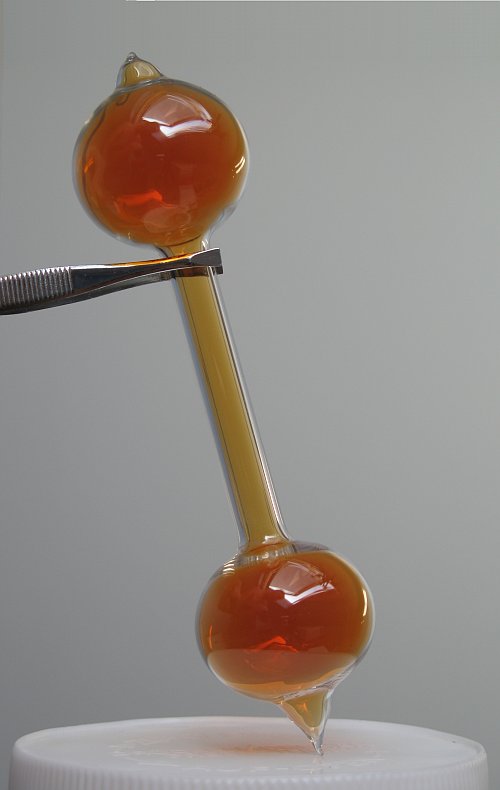

Characteristics and formation
Vapor can appear when a liquid evaporates or boils, or when a solid sublimates directly into a gaseous state. Cooling or mixing with cooler air can cause condensation, turning an invisible gaseous phase into visible droplets. In casual speech the visible droplets are often called vapor, whereas in physics the gaseous phase is distinguished more precisely.
Distinction: vapor versus gas. A gas is a single-phase state where molecules are widely separated; the word "vapor" is sometimes used interchangeably with gas but can also imply the possibility of condensation under ambient conditions. The term "aerosol" or "mist" is commonly applied to suspensions of fine liquid droplets in air.
History and human uses
Human understanding of vapor and steam has driven technologies from early steam engines to modern heating and sterilization systems. Steam power powered industrial development; today vapors are harnessed in power generation, cooking, humidification, and various manufacturing processes where heat transfer or controlled condensation is required.
Importance and examples
- Weather and climate: water vapor affects humidity, cloud formation and precipitation.
- Visibility and safety: fog and steam can reduce visibility and affect transport.
- Health: inhaled aerosols can carry pathogens or irritants; steam is used therapeutically for respiratory relief.
- Industrial: controlled vapors are used in drying, sterilizing and energy systems.
Notable facts and distinctions — The term "vapor" has multiple accepted senses. In technical thermodynamics it denotes a gaseous phase of a substance that can condense at accessible temperatures; in everyday usage it often means visible mist or steam. This ambiguity leads to confusion, for example in discussions of "vape" aerosols, cloud formation, or industrial emissions. Measurement and control of vapor and airborne droplets use different techniques depending on whether the material is a gas or an aerosol.
Related articles
Author
AlegsaOnline.com Vapor (vapour): definition, formation, uses and distinctions Leandro Alegsa
URL: https://en.alegsaonline.com/art/104222