
Amniotic sac
The amniotic sac is the fluid-filled membrane that surrounds and protects the developing fetus during pregnancy, composed of fetal membranes and filled with amniotic fluid with multiple physiological roles.
The amniotic sac is the membranous structure that encloses a developing fetus throughout much of human pregnancy. Commonly called the "bag of waters," it contains amniotic fluid and the fetal membranes that separate the developing baby from the maternal tissues. The sac supports growth, cushions the fetus, and helps maintain a stable environment for development.
Image gallery
5 Images


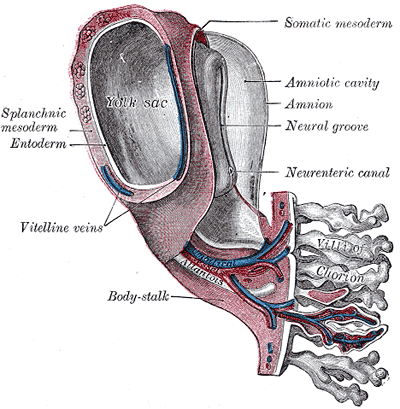
Structure and components
Two main membranes form the sac: the inner amnion and the outer chorion. Together these are often referred to as the fetal membranes. The amnion is a thin, tough layer that directly surrounds the fluid and fetus; the chorion lies outside it and contributes to the fetal portion of the placenta. The cavity between these layers is filled with amniotic fluid, which contains water, electrolytes and fetal cells shed from skin, urine and respiratory tract secretions.
Functions
- Mechanical protection: cushions the fetus against external pressure or trauma.
- Thermal regulation: helps maintain a constant temperature around the fetus.
- Permits movement: allows musculoskeletal development through buoyant support.
- Barrier and infection control: contributes to immune protection and prevents adhesions.
The amount and composition of amniotic fluid change as pregnancy progresses and reflect fetal health and renal function. Medical examinations sometimes sample fluid (amniocentesis) to obtain genetic or biochemical information, and deviations in fluid volume are monitored because they may indicate underlying problems.
Development, clinical relevance, and notable facts
The membranes that form the sac develop from embryonic tissues early in gestation and remain until delivery. A spontaneous rupture of the amniotic sac—often described as the "water breaking"—is a normal event near term but, if premature, can increase infection risk or complicate delivery. Clinicians also recognize conditions such as polyhydramnios (excess fluid) and oligohydramnios (reduced fluid), which may prompt further assessment of fetal wellbeing. The word "amnion" has classical roots and the sac is a central anatomical feature in the reproductive biology of mammals.
Understanding the amniotic sac's roles helps explain many aspects of prenatal care, labor management and fetal imaging. Its integrity and the composition of amniotic fluid are routinely evaluated as part of obstetric practice to support healthy outcomes for both mother and child.
Related articles
Author
AlegsaOnline.com Amniotic sac Leandro Alegsa
URL: https://en.alegsaonline.com/art/3607
Sources
- nhs.uk : "What is the amniotic sac?"
- nature.com : "Amniotic Fluid: Not Just Fetal Urine Anymore"
- doi.org : 10.1038/sj.jp.7211290
- nlm.nih.gov : "Amniocentesis"