
Amylase: enzymes that break down starch into sugars
Amylases are enzymes found across life that hydrolyze starch and related polysaccharides; they vary by mechanism, habitat, and pH preference and have important digestive, industrial and diagnostic roles.
Overview
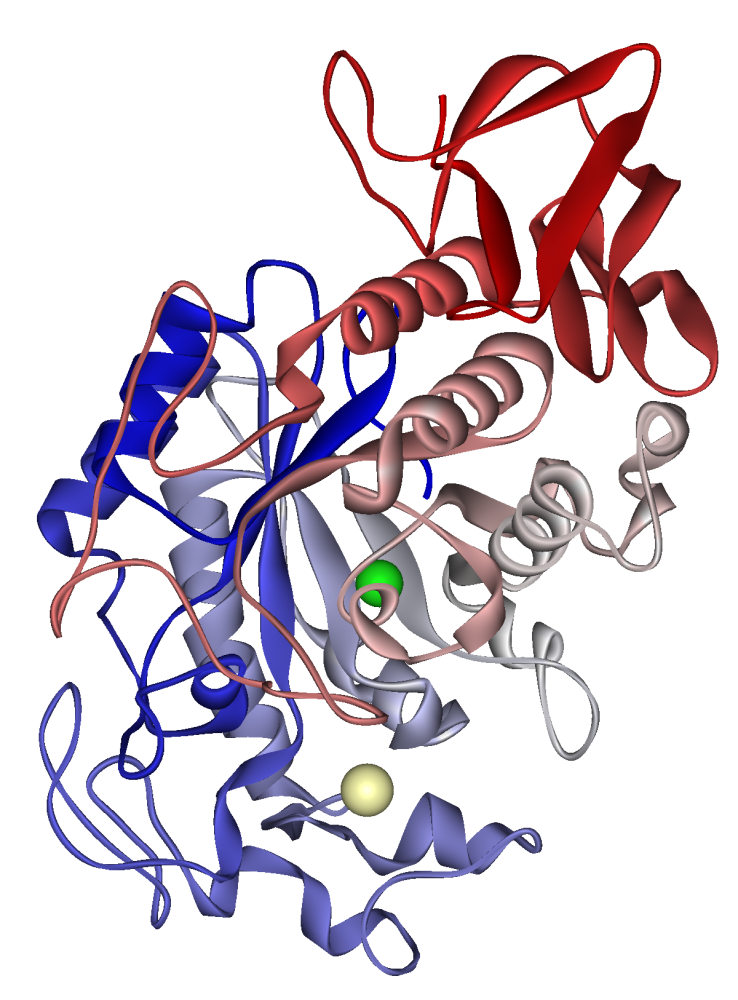
Amylase is the common name for a group of enzymes that catalyze the hydrolysis of starch and related polysaccharides into smaller sugars. As proteins that act on carbohydrate chains, amylases are widely distributed in animals, plants, fungi and bacteria and play central roles in digestion, metabolism and many industrial processes. The general function of these proteins is described in biochemical references as an enzyme that attacks starch molecules to release shorter chains and simple sugars.
Image gallery
3 Images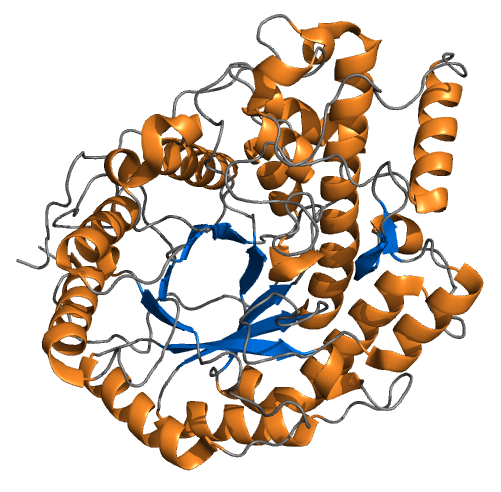

Types and characteristics
Amylases are grouped by how they cut glucose polymers and by where they come from. Common functional classes include:
- Alpha-amylase – an endo-acting enzyme that cleaves internal α-1,4 glycosidic bonds, yielding shorter oligosaccharides and disaccharides; it works rapidly on long starch chains.
- Beta-amylase – an exo-acting enzyme that removes maltose units (two glucose residues) from the non-reducing ends of chains.
- Glucoamylase (also called amyloglucosidase or sometimes gamma-amylase) – an exo-acting enzyme that releases single glucose units from chain ends and can act on α-1,6 linkages in some forms.
Different amylases show different optimum acidity (pH) and temperature ranges. For example, human alpha-amylases are most active near neutral pH; many microbial or fungal glucoamylases have acidic optima and can operate at low pH.
Amylases in humans
In people the most important forms are alpha-amylases. Salivary amylase begins digestion in the mouth: it is present in saliva and starts breaking starch while food is chewed. Pancreatic alpha-amylase is secreted in pancreatic juice into the small intestine, continuing starch breakdown where the environment is closer to neutral pH. Collectively these digestive enzymes are often described as digestive amylases. Some closely related enzymes in the intestinal brush border further process the products into simple sugars suitable for absorption. Stomach acidity (pH) tends to inhibit many amylases, but certain acid-tolerant glucoamylases are active at low pH and are exploited in other organisms; the acidic environment of the stomach markedly reduces salivary amylase activity.
Uses and importance
Amylases have diverse practical and clinical roles:
- Physiological: they are essential for dietary starch digestion and energy release.
- Medical diagnostics: elevated or diminished serum amylase measurements are used alongside other tests to help evaluate pancreatic function and conditions such as pancreatitis.
- Food and beverage industry: amylases assist in baking and brewing by converting starch to fermentable sugars (for example producing maltose and other fermentable sugars), improving dough handling and fermentation.
- Biotechnology and manufacturing: enzymes are used for saccharification in biofuel production, in textile and laundry formulations, and in starch processing.
History, evolution and notable facts
The activity of saliva on starch has been observed for centuries; biochemical characterization of amylase family members developed through 19th and 20th century enzymology and genetics. Amylase genes show evolutionary variety: some plants and microbes express specialised beta- or glucoamylases for germination or starch mobilization, while animals typically rely on alpha-amylases for digestion. Variants of the amylase gene in humans have been linked to dietary history and population differences in copy number, a subject of active research.
Practical distinctions and summary
When discussing amylase, it is useful to distinguish by origin (salivary, pancreatic, microbial), action (endo- versus exo-acting), and product (maltose, oligosaccharides, or glucose). These differences determine where an amylase works best (mouth, small intestine, acidic environments), what it produces, and how it is applied in medicine and industry. For authoritative general reviews and enzyme data see biochemical texts and enzyme databases (enzyme resources such as overview pages) and resources on digestion and food processing (starch and carbohydrate metabolism descriptions).
digestive • pH • saliva • pancreatic juice • maltose • stomach
Questions and answers
Q: What is amylase?
A: Amylase is an enzyme that breaks down starch into sugars that the body can use.
Q: What is the function of alpha-amylase?
A: Alpha-amylase is a major digestive enzyme that breaks down starch chains into smaller pieces with two to three glucose units.
Q: Where is alpha-amylase found in the body?
A: Alpha-amylase is found in saliva and pancreatic juice, and it works in the mouth and stomach during digestion.
Q: What is the optimum pH range for alpha-amylase?
A: The optimum pH range for alpha-amylase is 6.7-7.0.
Q: What type of sugars can alpha-amylase break down starch into?
A: Alpha-amylase can break down starch into maltose.
Q: What is gamma-amylase?
A: Gamma-amylase is another variant of amylase that has the most acidic optimum pH of all amylases.
Q: Where in the body does gamma-amylase work best?
A: Gamma-amylase works best in the stomach, which has an acidic pH.
Tags
Related articles
Author
AlegsaOnline.com Amylase: enzymes that break down starch into sugars Leandro Alegsa
URL: https://en.alegsaonline.com/art/3703
Sources
- pdb101.rcsb.org : PDB-101: Molecule of the month
- worthington-biochem.com : "Effects of pH (Introduction to Enzymes)"
- americanscientist.org : "Gene-culture coevolution and human diet"
- ncbi.nlm.nih.gov : "Diet and the evolution of human amylase gene copy number variation"
- doi.org : 10.1038/ng2123
- pubmed.ncbi.nlm.nih.gov : 17828263