
Electrical generator: principles, types, uses and safety
Overview of how electrical generators convert mechanical energy to electricity, main components and types, common applications, safety and environmental considerations, and selection and maintenance guidance.
Overview
An electrical generator is a device that converts mechanical, chemical or other forms of energy into electrical energy. The basic operating principle is the relative motion between conductors and magnetic fields, which induces a voltage and causes current to flow. Output may be alternating current (AC) or direct current (DC) depending on design and application. For general background on the outputs and forms of power see electrical energy and the broader concept of energy.
Image gallery
10 Images




Principles of operation
Most practical generators exploit electromagnetic induction, discovered in the 19th century: a changing magnetic flux through a conductor loop produces an electromotive force. In typical rotating machines a rotor carries magnets or an energized winding and turns within a stationary stator holding coils. The interaction of the rotor's magnetic field with the stator conductors produces a voltage. Ancillary systems such as excitation, voltage regulation and frequency control are used in many machines to stabilise output under changing load.
Major components
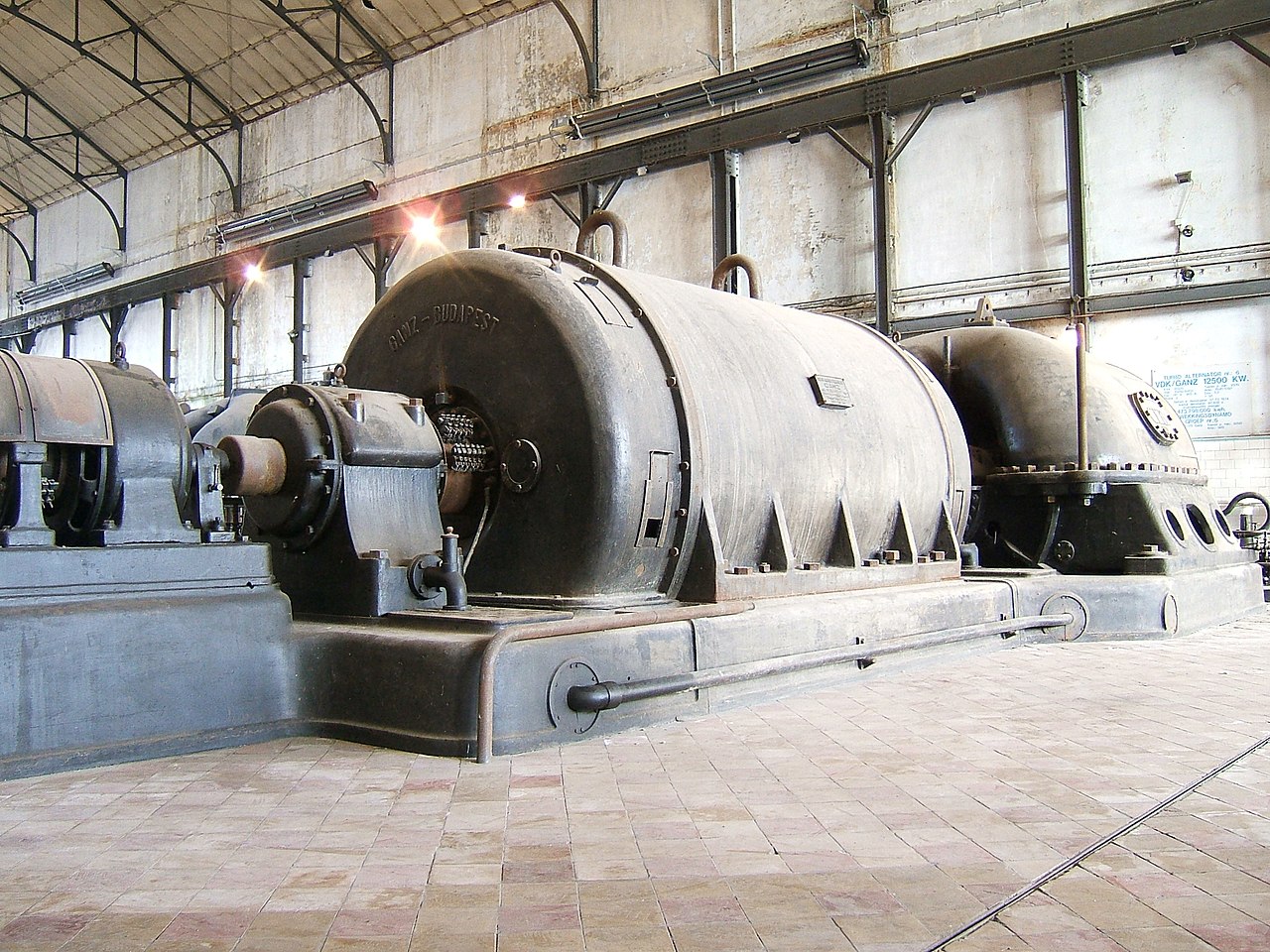
Common components include the rotor, stator, bearings, shaft, cooling system, ventilation, brushes or slip rings where needed, and output terminals. Larger machines include insulation systems, protective relays, and power electronics for synchronising and conversion. Portable units integrate a prime mover, fuel system and control panel into a single set.
Types and prime movers
Generators are classified by output type, construction and prime mover. Typical categories are:
- AC alternators and synchronous machines used for utility and industrial power
- Induction (asynchronous) machines often used in generation tied to rotating prime movers
- DC generators and dynamos for specific low-voltage or legacy applications
- Portable generator sets driven by small prime movers
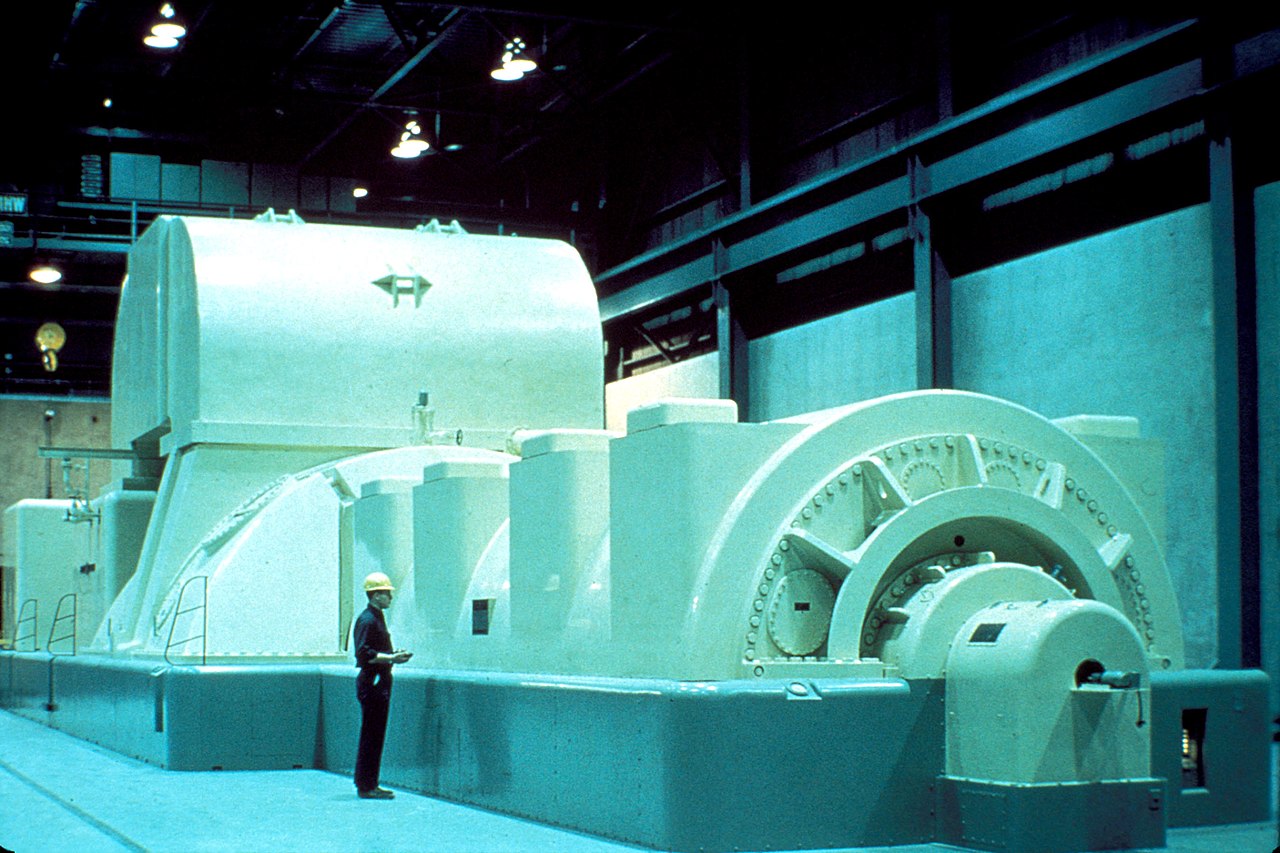
Prime movers include small human-powered cranks, internal combustion engines, larger engines, gas turbines, steam turbines and water turbines in hydroelectric plants. Wind turbines convert wind power into rotational motion to drive generators. Large, grid-connected machines are commonly located in central power stations. In transportation, motor–generator units appear in hybrid electric vehicles to recover energy and assist propulsion.
Applications
Generators provide bulk power for utilities, backup power for critical facilities, on-site generation for industry, and portable power for construction, events and remote sites. Hydroelectric plants and thermal stations supply continuous baseload power, whereas smaller sets serve intermittent or emergency needs. Some systems are reversible: electric motors acting as generators enable regenerative braking and energy recovery.
Selection, maintenance and performance
Key selection criteria include rated power, voltage and frequency requirements, fuel availability, duty cycle, efficiency and environmental limits. Regular maintenance includes inspection of mechanical parts, lubrication of bearings, cooling-system checks, electrical testing and exercising the machine under load. Proper installation, grounding and protection against backfeed are essential for safety and reliable operation.
Safety and environmental considerations
Operating generators poses risks such as electric shock, fire and toxic exhaust. Portable internal combustion sets produce carbon monoxide; running such equipment indoors or in poorly ventilated spaces can lead to fatal carbon monoxide poisoning. Fuel storage and handling require precautions, and emissions and noise should be considered when siting equipment. For large installations, design and permitting reference turbine and equipment standards; consult manufacturer and regulatory material such as turbine guides and technical references on electromagnetic induction.
History and future trends
The development of generators followed advances in electromagnetism and materials in the 19th and 20th centuries, from early dynamos to modern alternators with sophisticated controls. Current trends include greater integration with renewables, hybrid systems pairing generators with batteries and power electronics, and improved efficiency and emissions control. For technical depth, consult engineering texts and manufacturer documentation on subjects such as electrical energy, energy conversion and magnetic field design.
Practical users should follow safety guidance, local codes and service schedules to ensure reliable, lawful and efficient generator operation.
Related articles
Author
AlegsaOnline.com Electrical generator: principles, types, uses and safety Leandro Alegsa
URL: https://en.alegsaonline.com/art/30698