
Electrical grid
A power network linking generation, transmission, distribution and loads to deliver electricity reliably. Covers structure, operation, history, modern challenges and key distinctions.
Overview
An electrical grid is the interconnected network that moves electrical energy from where it is produced to where it is consumed. In broad terms the grid links power generation facilities with long-distance power transmission lines, local power distribution systems and the end users or loads. The system's purpose is to balance supply and demand continuously, maintain voltage and frequency within safe limits, and deliver electricity with sufficient reliability for homes, businesses and industry.
Image gallery
9 Images





Main components
The grid combines physical equipment, control systems and operational rules. Key elements include:
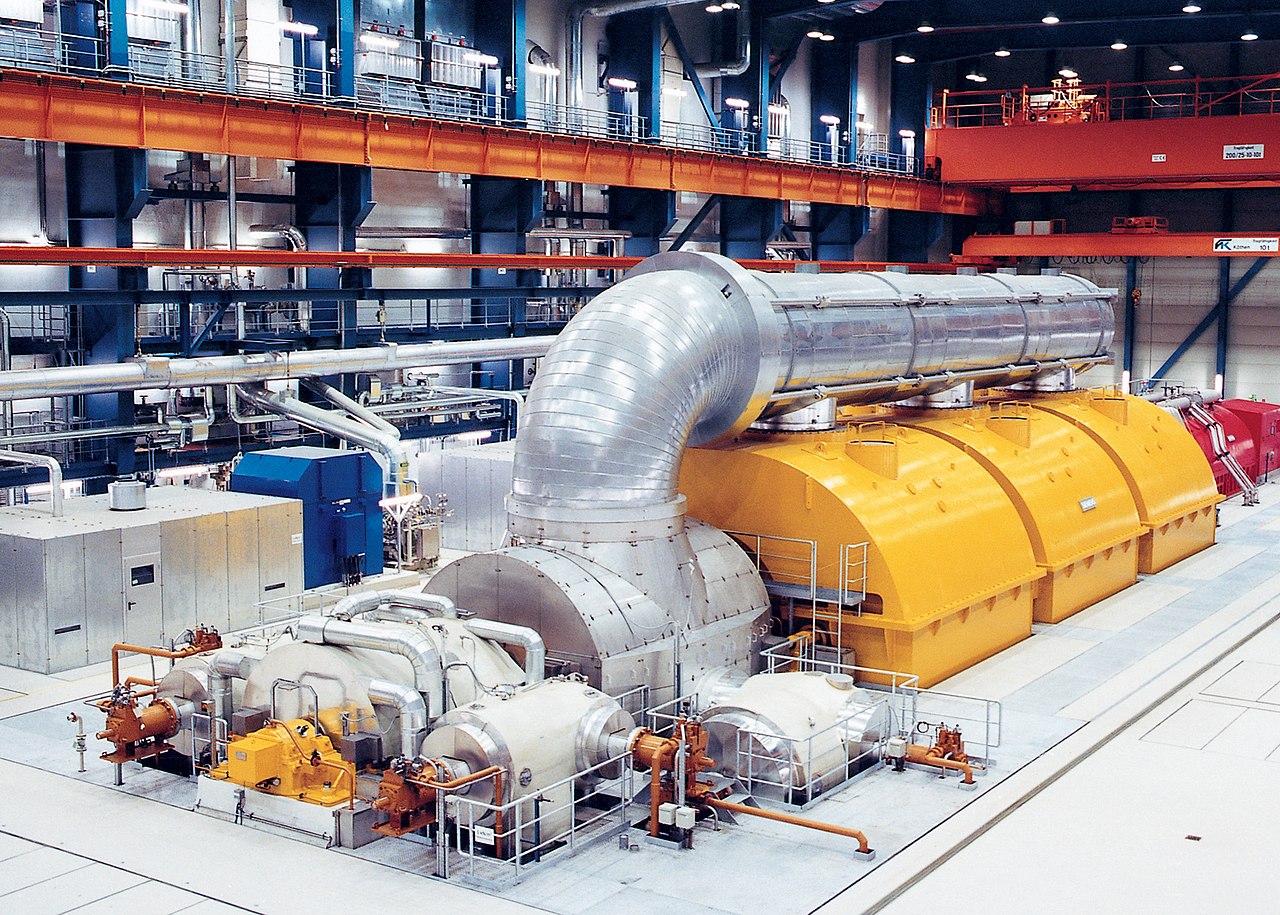
- Generating plants (thermal, hydroelectric, nuclear, wind, solar) and the power station infrastructure that houses them.
- High-voltage transmission lines and towers that carry bulk power across long distances.
- Substations, transformers and switchgear that change voltages and route power between transmission and distribution.
- Distribution feeders, poles, underground cables and customer connections that deliver energy to end users.
- Control and protection systems such as SCADA, relays, automatic generation control and market operations software.
Operation and control
Grids operate in real time: operators forecast demand, dispatch generators, and use reserves to respond to disturbances. Protection systems isolate faults to prevent equipment damage and widespread outages. Increasingly, energy storage, demand response and advanced metering provide flexibility to manage variable resources like wind and solar.
History and development
Modern electrical networks grew from late 19th-century demonstrations of electric lighting and power. Early isolated systems evolved into regional and national interconnections to improve reliability and economy. The alternating-current architecture became dominant because it allowed efficient voltage transformation and long-distance transmission.
Challenges, innovations and importance
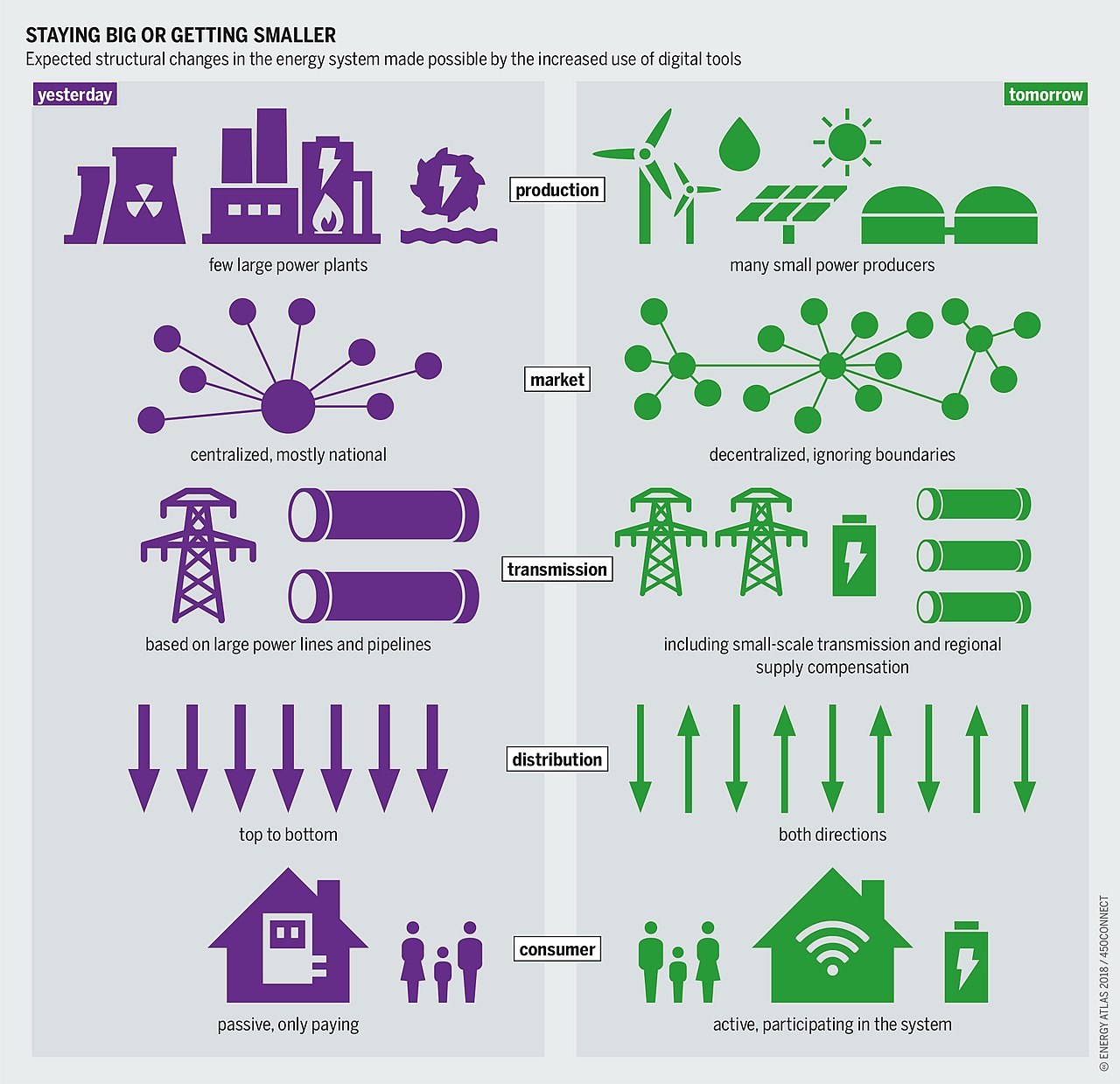
The grid is critical infrastructure for economic activity and public safety. Current challenges include integrating renewable generation, improving resilience against extreme weather and cyber threats, and modernizing aging equipment. Innovations such as smart grids, microgrids, distributed generation and battery storage aim to increase flexibility and efficiency.
Distinctions and notable facts
Important technical distinctions include AC versus DC transmission, synchronous versus asynchronous interconnections, and the separation of transmission (bulk transport) from distribution (local delivery). Large grids must manage the risk of cascading failures; hence planning, redundancy and real-time monitoring are essential to prevent blackouts and maintain service continuity.
Related articles
Author
AlegsaOnline.com Electrical grid Leandro Alegsa
URL: https://en.alegsaonline.com/art/30699