
Dune (novel): overview, themes and legacy
Dune is Frank Herbert's science‑fiction novel set on the desert world Arrakis. It examines politics, religion, ecology and power. This article summarizes the setting, main characters, themes and adaptations.
Overview
Dune is a landmark science‑fiction novel first published in 1965 by Frank Herbert. It is set within a sprawling space empire and is widely noted for its layered treatment of politics, religion, ecology and the role of technology in society. Rather than relying on conventional gadgetry, Herbert explores how institutions, belief systems and resource control shape human destiny. The book launched a series that expanded its fictional universe and influenced later writers and filmmakers.
Image gallery
4 Images


Setting and key elements
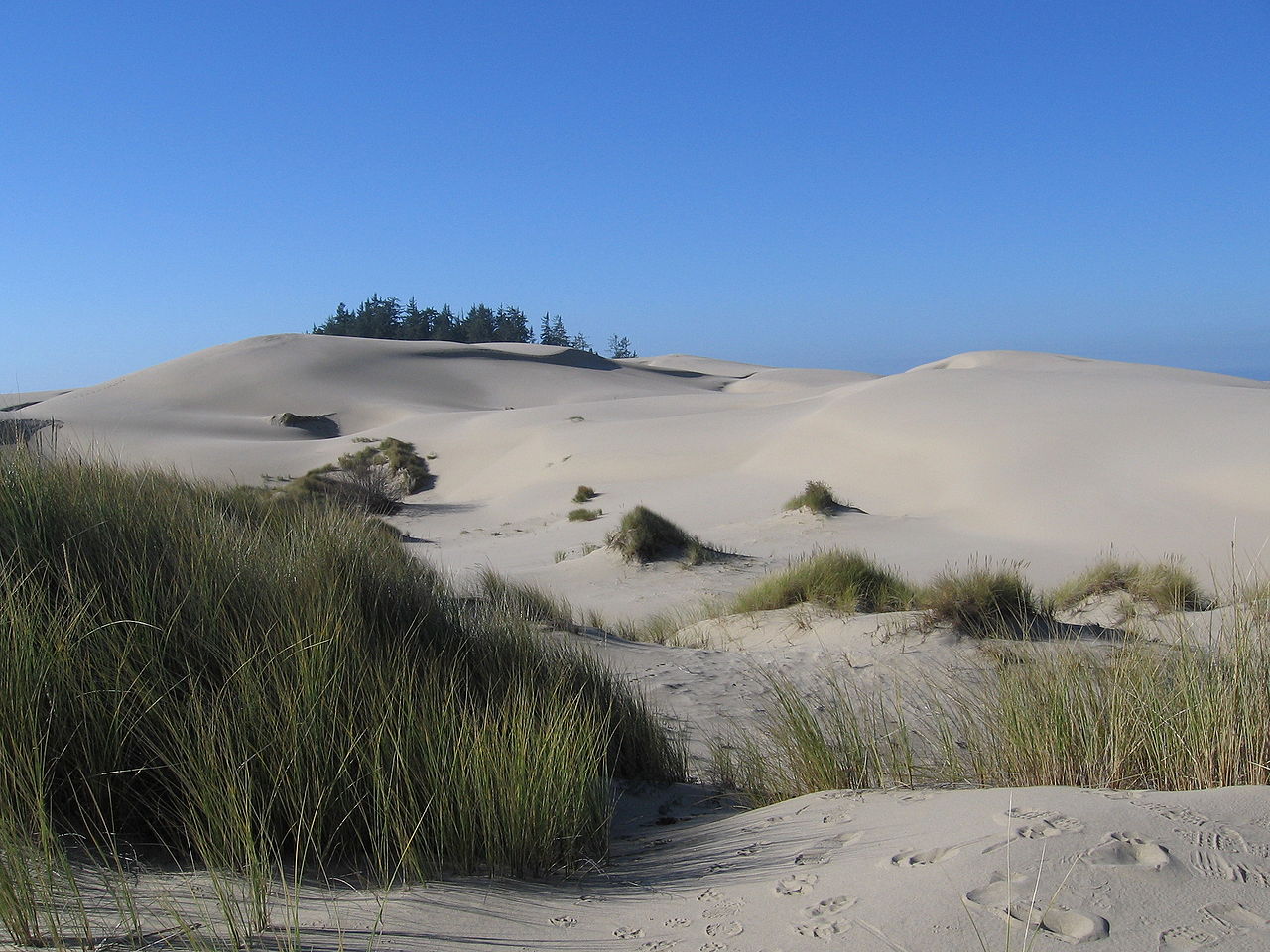
The central setting is the planet Arrakis, an arid world whose commerce and politics revolve around a unique and valuable substance called the spice melange. Spice is central to the economy and to certain human capacities in the universe: it extends life, heightens perception and enables a particular kind of safe interstellar navigation. Melange is created by the ecology of the sands and is intimately connected to enormous sandworms that roam Arrakis.
The novel imagines a future in which thinking machines and autonomous computers are culturally and legally repudiated after a historical revolt against machine domination. In place of many computers, specialized human practitioners perform similar functions: Mentats are trained to reason with great speed and precision. Political power on each planet is exercised by great noble Houses under an imperial structure, and hereditary succession gives rise to heirs and rivalries; the young heir at the heart of the story must navigate this treacherous hierarchy.
Plot and principal characters
The narrative follows Paul Atreides, a youthful scion whose family — House Atreides — is ordered to assume control of Arrakis after displacing their rivals, House Harkonnen. Arrakis is primarily desert and lacking accessible water, a reality that shapes the customs and survival practices of its native people. The Fremen, Arrakis's indigenous inhabitants, preserve scarce water through tightly regulated rituals and have adapted culturally and physically to the harsh environment. After betrayal and the death of his father, Paul and his mother, Lady Jessica, escape into the desert and are taken in by the Fremen.
Lady Jessica is a member of a powerful sisterhood, the Bene Gesserit, who cultivate extraordinary mental and physical disciplines and pursue a long‑running selective breeding program intended to produce a prophesied figure they call the Kwisatz Haderach. This program and the Bene Gesserit’s influence on politics and prophecy are central to the unfolding drama. As Paul grows into a leader among the Fremen, he combines inherited training, prescient awareness enabled by spice, and desert warfare to challenge Harkonnen rule and the imperial order.
Themes, distinctions and cultural impact
Dune blends adventure with philosophical inquiry and is often read as a meditation on ecological stewardship, the dangers of charismatic leadership, and the interplay of faith and power. Key themes and distinguishing features include:
- Ecology: Arrakis's environment is a character in its own right; the creation of spice and the presence of sandworms link natural systems to human institutions.
- Religion and prophecy: Messianic expectations and engineered belief influence political outcomes.
- Human potential versus machinery: The ban on thinking machines and the rise of human specialists (such as Mentats) emphasize psychological and social adaptation.
- Resource politics: Control of a single vital commodity reshapes alliances and conflict.
Dune has been adapted several times for screen and other media; notable film versions include a 1984 production directed by David Lynch and a 2021 adaptation directed by Denis Villeneuve. The novel's influence extends into literature, gaming, environmental thought and cinematic worldbuilding. For readers seeking further context about Herbert's methods and the book's continuing relevance, consult critical studies and annotated editions that discuss its sources and interpretations (space empire studies, political analyses and ecological readings are particularly instructive).
Dune remains widely read as both an adventure story and a complex speculative work that asks how societies organize around scarcity, how leaders emerge, and how cultures adapt physically and spiritually to extreme environments.
For introductions, modern commentaries and translations, see specialized bibliographies and publisher notes; the novel's layered world rewards rereading and comparative study across its sequels and adaptations.
Further references and multimedia resources are available through literary guides and film archives that catalog the book's publication history and screen interpretations (religion, technology, computers, planet, heir, spice, desert, rituals).
Questions and answers
Q: What is Dune?
A: Dune is a fictional story set in a space empire far in the future, written by Frank Herbert. It focuses on how politics, religion, technology and many other things interact.
Q: Why are computers banned in the world of the Dune series?
A: Computers are banned in the world of the Dune series because some humans are taught how to think as fast as computers; they are known as 'Mentats'.
Q: Who rules a planet in this universe?
A: In this universe, a planet is controlled by a House and must obey House Corrino, because the leader of House Corrino is also the Emperor.
Q: What does Paul Atreides do in Dune?
A: Paul Atreides is a 15-year-old heir to House Atreides who is forced by the Emperor who rules the Known Universe to leave his home planet Caladan and take control of Arrakis. He then uses his abilities to achieve power over its native people -the Fremen- and eventually use them to attack their enemies -the Harkonnen armies-.
Q: What makes Arrakis so dangerous?
A: Arrakis is almost covered in desert which makes it very dangerous because it does not have potable (drinkable) water, but mainly because giant worms live in its sand.
Q: Who are Bene Gesserit sisterhood?
A: The Bene Gesserit sisterhood is a religious group with only women as its members because men do not have the right kind of mind to learn their ways correctly. They have much more control over their minds and bodies than normal people and their goal is to protect humanity forever through their breeding program with an aim of making one man that can be part of them -the Kwisatz Haderach-.
Q: How has Dune been adapted into films or TV series?
A: Multiple films and TV series have been based on the Dune series such as 1984 film version directed by David Lynch, and 2021 film directed by Denis Villeneuve.
Related articles
Author
AlegsaOnline.com Dune (novel): overview, themes and legacy Leandro Alegsa
URL: https://en.alegsaonline.com/art/29227