
David Lynch: filmmaker, artist, and the origin of 'Lynchian' surrealism
An overview of David Lynch’s life, creative style, major works (films and TV), collaborations, awards, and cultural influence, with links for further reading.
Overview
David Keith Lynch (born January 20, 1946) is an American filmmaker and multimedia artist whose work blends surreal imagery, dream logic, and meticulous sound design. He gained wide attention with early short films and his first feature, Eraserhead, and later reached a broad audience with the television series Twin Peaks. Critics and audiences often describe his singular approach as "Lynchian": unsettling, elliptical, and richly atmospheric.
Image gallery
10 Images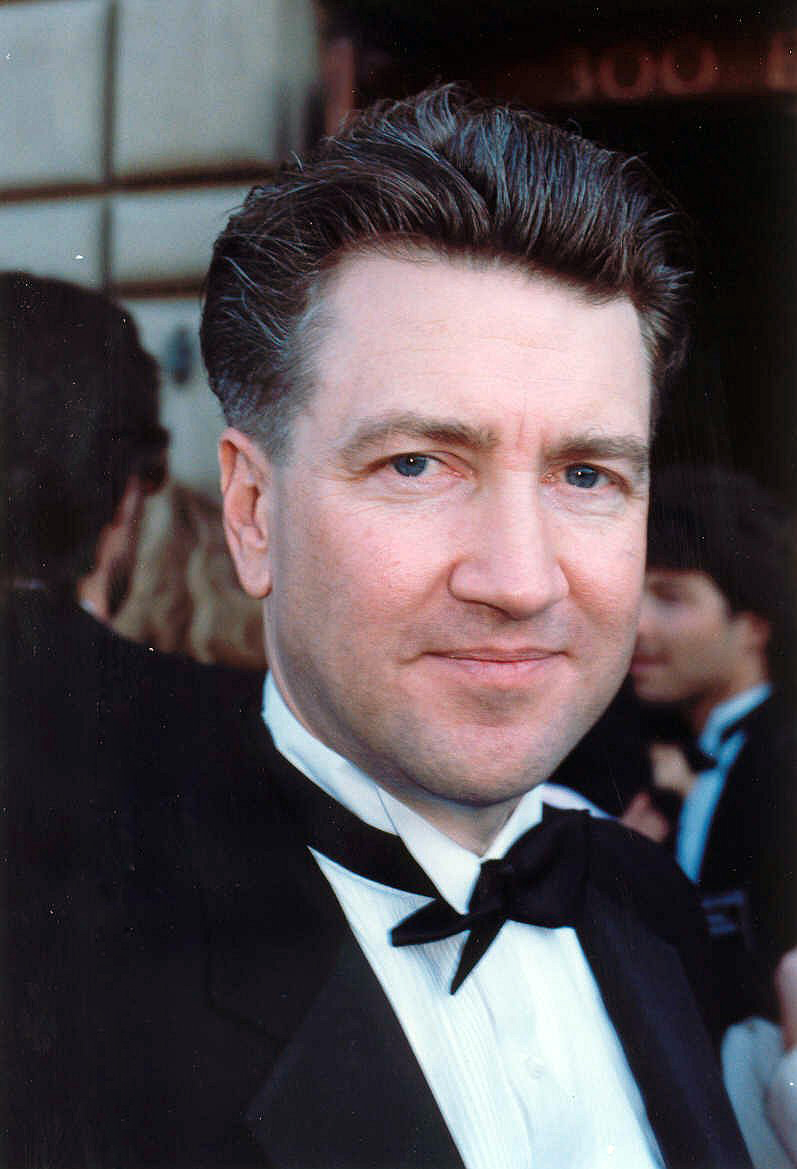


Artistic characteristics
Lynch’s films and videos are known for their emphasis on mood over conventional narrative clarity. He frequently uses motifs of duality, memory, and the uncanny; striking, often dissonant soundscapes; and a mix of banal domestic detail with nightmarish intrusions. His visual compositions, editing rhythms, and recurring collaborators—actors and musicians who appear across many projects—help create a consistent personal style. Lynch also composes music, paints, and works in photography, keeping a strong presence in multiple media.
Major works and development
Key titles include the experimental feature Eraserhead, the noir-tinged Blue Velvet, the period drama The Elephant Man, and the enigmatic Mulholland Drive. On television, Twin Peaks broke new ground for serialized, auteur-driven TV in the early 1990s and retains a devoted following. His early short films—most notably The Alphabet and The Grandmother—established his interest in dream imagery and personal myth-making. Biography and early life and filmography overview offer entry points to his work.
Collaborations and methods
Lynch regularly works with certain actors and creative partners and places great emphasis on sound. Composer Angelo Badalamenti created some of his most memorable scores; actors like Kyle MacLachlan and the late Jack Nance became recurring presences. Lynch has described a preference for shooting on digital formats in recent years and frequently experiments with editing, mixing, and releasing material in nontraditional ways.
Awards, recognition, and activities beyond film
Across his career Lynch has received major international honors, including top prizes at film festivals and recognition for lifetime achievement. His films have been preserved and celebrated for cultural significance, and he has been invited to present work at major retrospectives. Outside cinema, Lynch is known for public advocacy of Transcendental Meditation and for founding educational and charitable initiatives related to the practice.
Legacy and further reading
Lynch’s influence extends into cinema, television, music, and visual art. The term "Lynchian" has entered critical vocabulary to describe works that evoke the surreal, the uncanny, or a dreamlike logic. For more detailed information, interviews, and specific credits, see the resources below.
- Eraserhead and early experiments
- Mulholland Drive: production and interpretations
- Twin Peaks: series history
- Cultural preservation and honors
- Notable short films
- The Alphabet: themes and form
- The Grandmother: summary and style
- Awards and nominations
- Festival prizes and critical reception
- Cannes, Venice and other festivals
- Lifetime achievement recognitions
- Further biographical sources
- Comprehensive filmography and media
Questions and answers
Q: What is David Lynch's most famous work?
A: His overall most famous work is the television series Twin Peaks.
Q: What was his first movie?
A: His first movie was Eraserhead, which is still his most famous theatrical movie.
Q: Who has appeared in all but two of his movies?
A: Jack Nance has appeared in all but two of Lynch's movies.
Q: What type of video will he be using for future projects?
A: He has said that all his movies will be done using digital video from now on.
Q: Name two of his best known short films.
A: Two of his best known short films are The Alphabet and The Grandmother.
Q: How many Academy Award nominations did he receive?
A: He received three Academy Award nominations for Best Director and a nomination for best screenplay.
Q: What awards has he won over the course of his career?
A: Over his career, Lynch has won France's César Award for Best Foreign Film, as well as the Palme d'Or at the Cannes Film Festival and a Golden Lion award for lifetime achievement at the Venice Film Festival.
Related articles
Author
AlegsaOnline.com David Lynch: filmmaker, artist, and the origin of 'Lynchian' surrealism Leandro Alegsa
URL: https://en.alegsaonline.com/art/117320
Sources
- charitybuzz.com : "Have 3-Time Academy Award-Nominated Filmmaker David Lynch Review Your Screenplay in LA"
- viennale.at : "Trailer 2011"