
English poetry: origins, forms, history and global influence
Survey of poetry written in the English language: origins in oral and Old English verse, major historical periods, common forms and devices, global spread and contemporary developments.
The tradition of poetry in the English language stretches from early medieval oral verse to a wide range of modern and global practices. Early compositions that survive in written form date back to roughly the 7th century, but many poems were first shared by voice and memory before they were committed to script. Over time English-language poets have produced works that survive as long-standing parts of Western literary culture and have shaped literary practices across the world.
Image gallery
10 Images


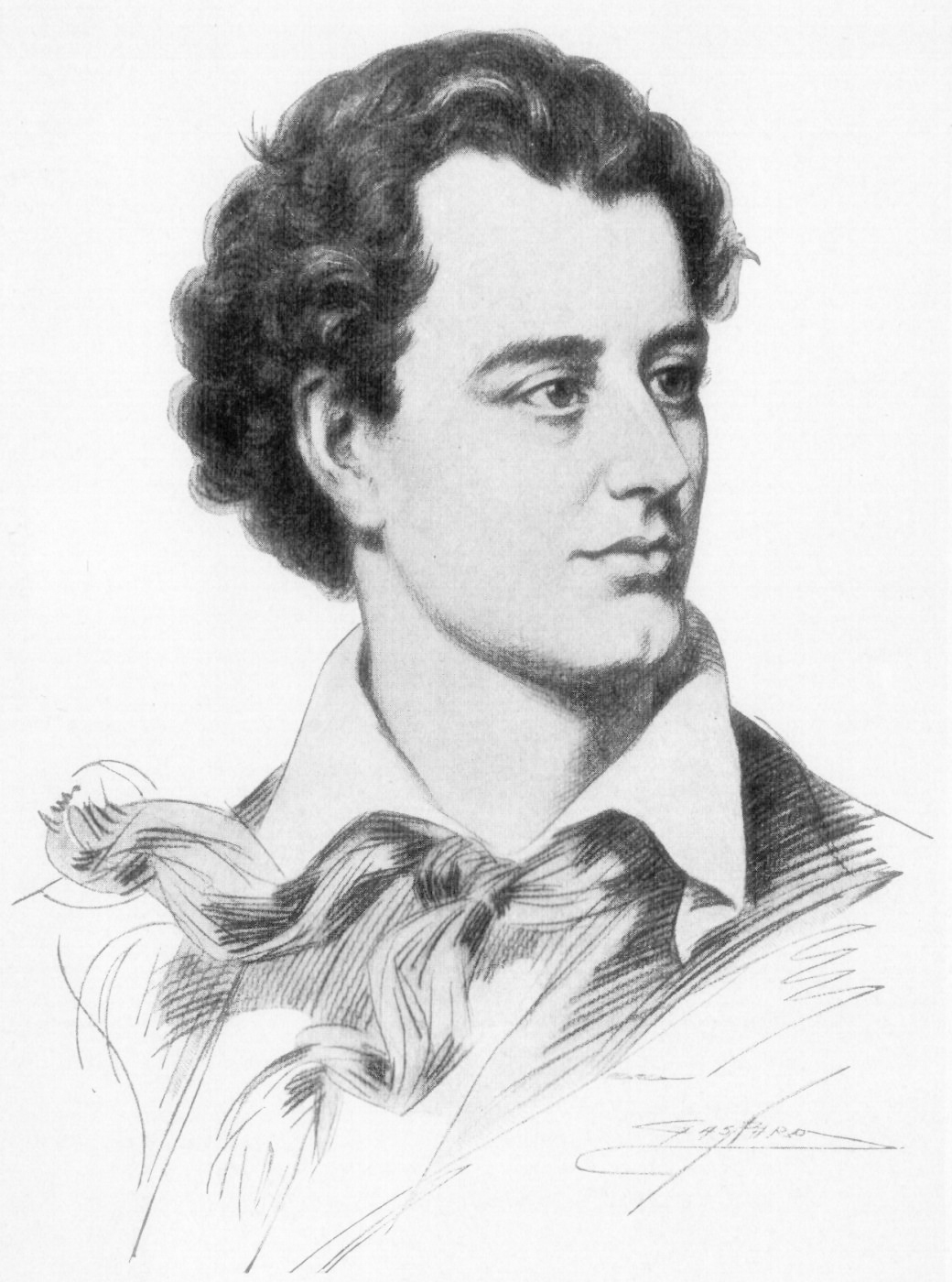
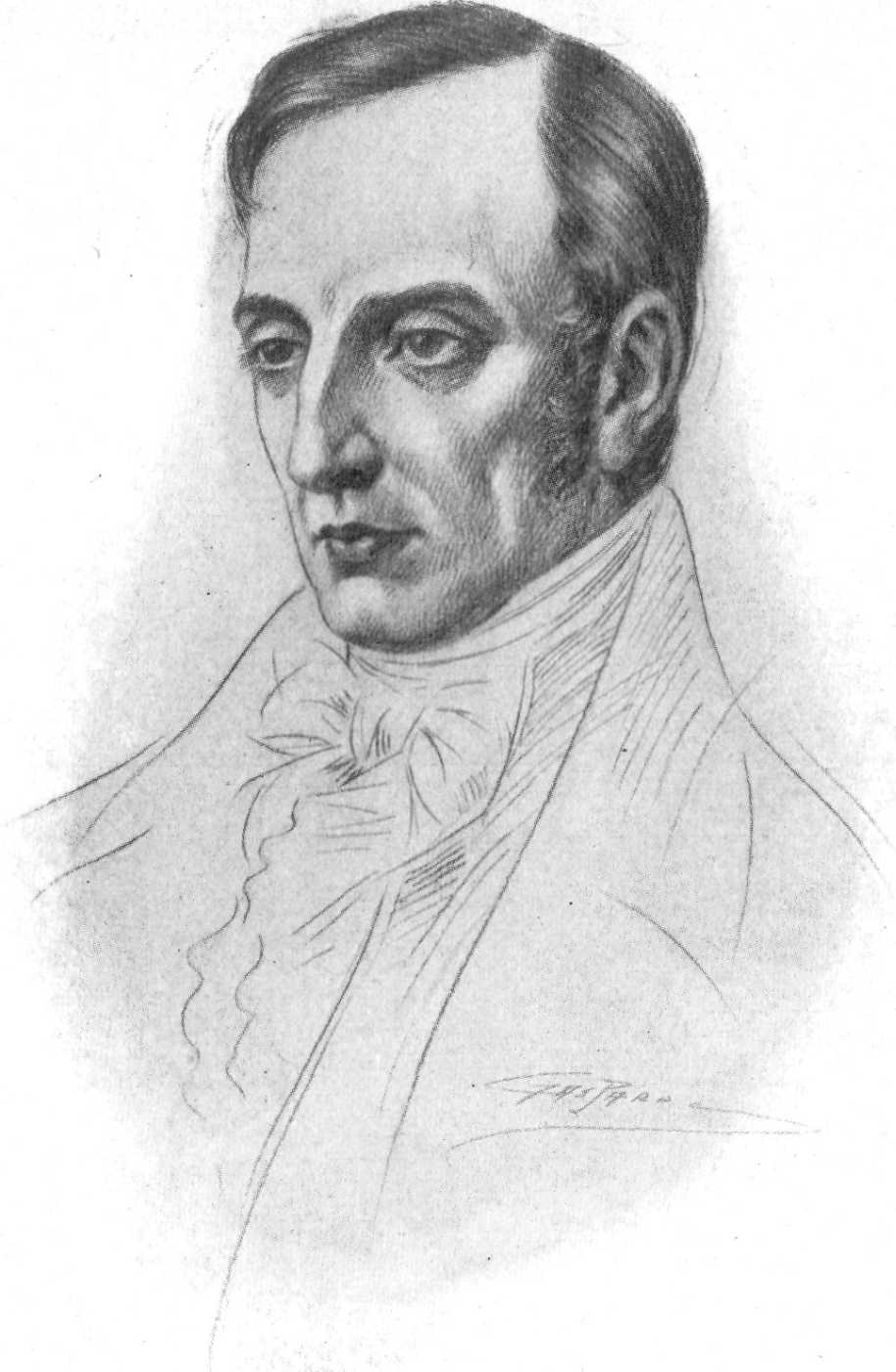


Characteristics and common forms
English poetry uses a variety of structures and devices. Meter and rhythm—most famously iambic pentameter—rhyme, stanza patterns, alliteration (a central feature of Old English verse) and imagery are major tools. Traditional forms include the sonnet, the ode, blank verse and heroic couplets; the 20th century and later saw the rise of free verse and experimental prosody. Poets employ techniques such as metaphor, simile, enjambment and formal constraint to organize sound and sense.
Historical development and periods
- Old English and medieval verse: works preserved from England include long alliterative poems and religious lyrics, redrawn from oral performance; these pieces reflect a culture of communal recitation and mnemonic forms (oral tradition).
- Middle English and the late medieval era: poets translated and adapted continental forms and vernacular themes, helping shape a written literary language.
- Renaissance and early modern poetry: the sonnet and blank verse were adapted and refined; courtly, pastoral and dramatic poetry flourished.
- Neoclassical and Augustan poetry: emphasis on order, wit and classical models.
- Romantic and Victorian movements: a renewed focus on nature, subjectivity and social change.
- 20th century to present: modernism, post‑war voices, confessional and performance traditions led to plural, international practices.
Throughout these phases well-known figures and groups of poets contributed distinctive styles and innovations, and scholarly debate continues about origins, attributions and influences (scholarly controversy).
Uses, examples and importance
Poetry in English has served multiple roles: liturgical or ritual speech, courtly entertainment, political commentary, personal expression and educational practice. Famous instances range from epic narratives and dramatic lyrics to war poetry, sonnets and contemporary spoken-word pieces. The English language itself has been a vehicle for poetic production well beyond the British Isles, so that national traditions developed in many regions.
Geographical spread and national traditions
Distinct but related English-language poetries include American, Australian, New Zealand, Canadian and Indian poetry. Works composed in England and the British Isles form a core lineage, but they sit alongside richly varied literatures produced in former colonies and diasporic communities. Discussions sometimes question whether works by Irish writers should be called English, British or Irish literature, especially when language, identity and politics intersect.
For readers and students, exploring English poetry means attending both to formal techniques and historical context: the way the language shapes sound and meaning, how individual poets respond to tradition, and how poetry functions within societies. The oldest surviving poems associated with the territory now called England remain important touchstones in this ongoing literary history.
Further resources and scholarly introductions are available for readers who wish to follow specific periods or national traditions; for general overviews and detailed studies see specialized bibliographies and online guides (start here, oral history, Canadian sources).
Questions and answers
Q: How long is the history of English poetry?
A: The history of English poetry stretches from the middle of the 7th century to today.
Q: What is the significance of English poetry?
A: English poets have written some of the longest-surviving poems in Western culture, and the language and its poetry have spread around the world.
Q: How was the earliest poetry from England transmitted?
A: The earliest surviving poetry from the area now called England was probably transmitted orally (or passed from person to person by mouth, without being written down).
Q: Why is it difficult to determine the earliest English poems?
A: The earliest poetry was written down in versions that do not now survive, making it difficult to say which poems were the earliest.
Q: What are some of the major national poetries that have developed?
A: Some of the major national poetries that have developed include American, Australian, New Zealand, Canadian and Indian poetry.
Q: Is Irish literature considered part of English or British literature?
A: It may be controversial to describe Irish literature as English or British, even though it is in the English language.
Q: What is the controversy over the earliest English poems?
A: There is a lot of controversy over this issue due to the lack of surviving written versions of the earliest poetry.
Related articles
Author
AlegsaOnline.com English poetry: origins, forms, history and global influence Leandro Alegsa
URL: https://en.alegsaonline.com/art/31490
Sources
- simple.wiktionary.org : predecessor