
Doppelgänger: identity doubles, folklore, and cultural meanings
A doppelgänger is a lookalike or double of a living person. This article explains origins, folkloric omens, psychological and literary roles, common variants, and why doubles remain a potent cultural symbol.
A doppelgänger is commonly understood as a double or exact lookalike of a living person. The word itself is German but is widely used in English contexts to describe an uncanny physical double. In popular usage the idea often overlaps with the notion of an evil twin or a deceptive duplicate; other close terms are twin or lookalike. While some instances are merely coincidences of appearance, many cultures treat the doppelgänger as a phenomenon with symbolic or supernatural significance.
Image gallery
4 Images
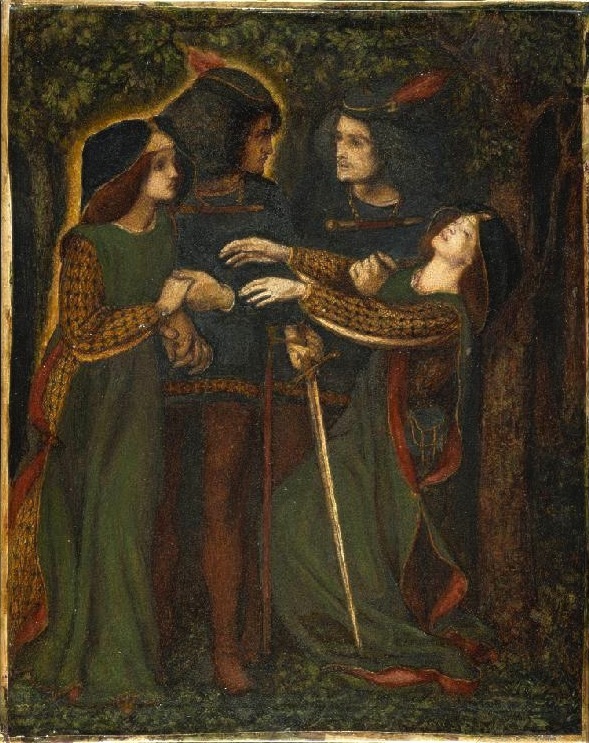

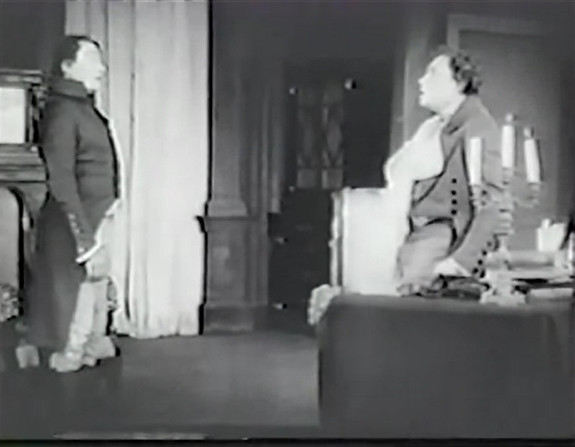
Characteristics and cultural meanings
Descriptions vary: a doppelgänger may be a precise visual double, a mirror-image apparition, or a figure that takes the place of someone in the world. In traditional folklore a sighting of another person's double could be read as an ill omen for that individual's household or relatives. Stories sometimes say that seeing the double of a close one — including family members or friends — foretells illness, misfortune or separation, and encountering one’s own double has been linked in some tales to impending danger or even death. These interpretations are culturally specific and not universal.
Origins and development
The term emerged from German-speaking contexts but reflects a broader human interest in doubles and doubles' meanings. Across centuries, myths and legends — and later literary traditions — have proposed varied origins for such doubles: from the workings of myths to supernatural forces or magic. Some tales attribute a double to curses or enchantments, including stories that describe an ill-intentioned curse producing a replacement or double. Over time, writers and artists adapted the motif to explore identity, fate and the uncanny.
Literature, film, and modern uses
As a narrative device the doppelgänger appears frequently in books, movies and broader fiction. Authors and filmmakers use doubles to dramatize psychological conflict, mistaken identity, or moral doubling. In horror and psychological drama the double often externalizes hidden aspects of a character; in detective and speculative genres it can be a plot pivot—someone impersonated, replaced or revealed to be not who they seem.
Interpretations and distinctions
Academic and popular explanations include folkloric, psychological and sociocultural readings. Psychologists and neurologists note related phenomena such as autoscopy (the sensation of seeing one’s own body from an external perspective) and visual hallucinations, which might account for some reports. Metaphorically, the doppelgänger can stand for social doubling, shadow selves, or ethical duplicity. It is distinct from a biological twin or a legal impersonator: the doppelgänger concept emphasizes uncanny similarity and often carries symbolic or narrative weight.
Common themes and examples
- Omen or warning: doubles as signals of misfortune in certain traditions.
- Psychological mirror: doubles representing suppressed traits or internal conflict.
- Plot device: mistaken identity, fraud, or supernatural substitution in stories.
- Science and skepticism: explanations range from coincidence to neurological phenomena.
Because the trope appears in so many contexts, it continues to fascinate: it links personal identity, cultural fears, and imaginative storytelling. For quick reference on specific cultural versions and modern adaptations, see specialized studies and collections of folklore and literary criticism that examine how the double functions in different times and places.
Further reading and resources can be found via general reference works and thematic studies in folklore, psychology and media analysis; for introductory overviews consult popular sources and academic surveys that trace the doppelgänger from early myths through contemporary cinema.
Related links: term usage, evil twin tropes, twin and lookalike, folklore contexts, family omens, friendship and doubles, danger motifs, death omens, mythic origins, magic explanations, curse narratives, books with doubles, films using doubles, fictional examples.
Related articles
Author
AlegsaOnline.com Doppelgänger: identity doubles, folklore, and cultural meanings Leandro Alegsa
URL: https://en.alegsaonline.com/art/28522