
Curse (supernatural imprecation and cultural practice)
An overview of curses: definitions, traditional forms, historical examples (including Roman curse tablets and fairy tales), cultural roles, and distinctions from blessings and profanity.
Overview
A curse is traditionally understood as an utterance, ritual, or symbolic act intended to bring misfortune, harm, or a negative condition upon a person, object, place, or lineage. In many cultures a curse is treated as a form of imprecation that may be spoken, written, or enacted; believers attribute effects to supernatural agents, enchanted words, or the power of ritual. Skeptics view curses as social expressions of hostility or as coincidences later interpreted as meaningful. For a basic definition and general discussion, see further reference.
Image gallery
6 Images


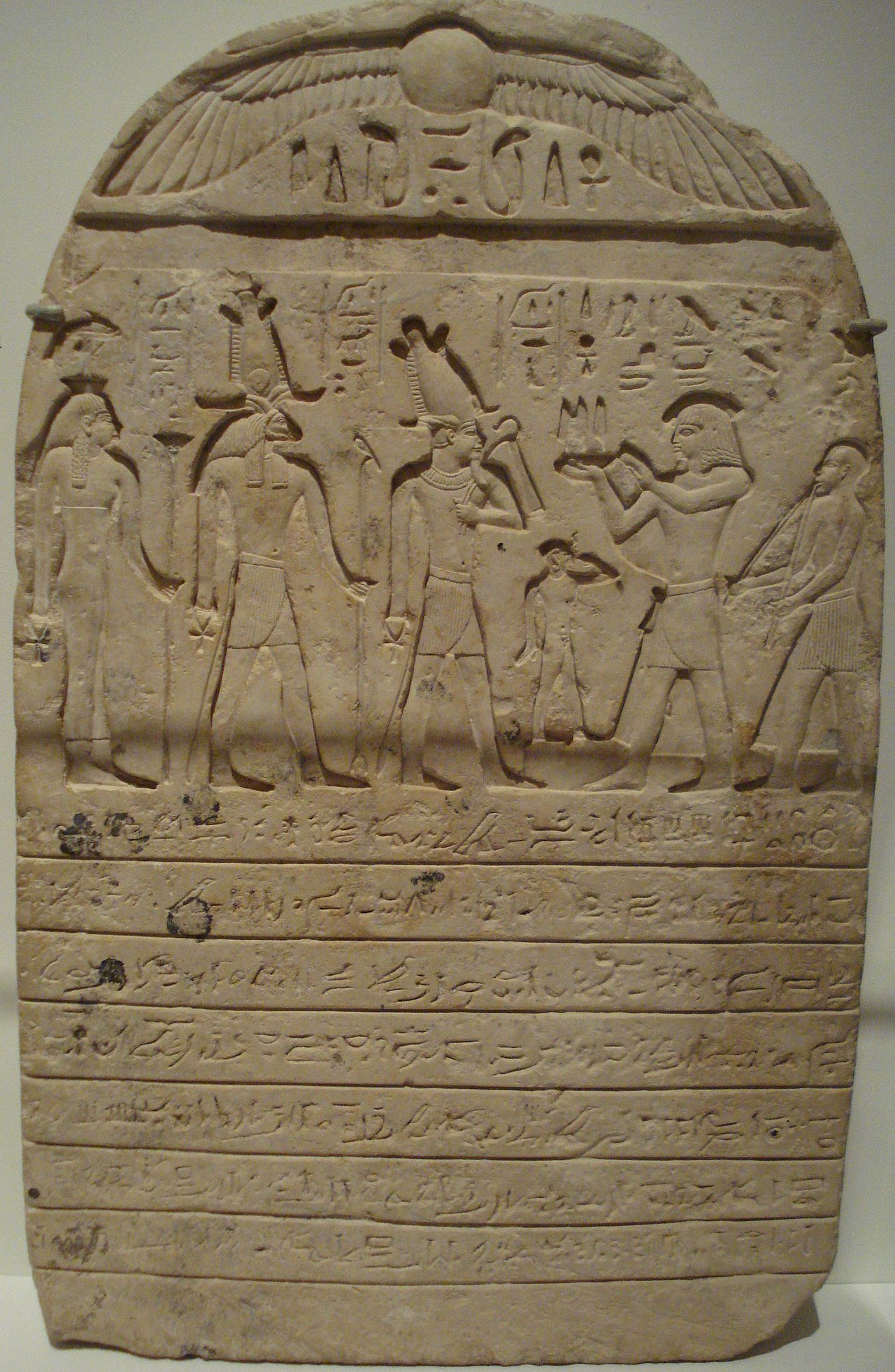

Forms and characteristics
Curses appear in a variety of forms and contexts. Common types include:
- Spoken imprecations—verbal statements wishing harm or bad luck.
- Ritual curses—ceremonies, chants, or magical acts intended to produce an effect.
- Written curses—inscribed tablets, papers, or objects placed to transmit a malediction.
- Symbolic or sympathetic acts—using effigies, pins, or objects that stand for the intended target.
Belief in the mechanism varies: some traditions rely on spiritual agents (deities, spirits, or demons), while others emphasize symbolic causation or psychological influence. Curses are often paired conceptually with remedies—countercharms, blessings, or purification rites that neutralize their effects.
History and cultural examples
Curses have been recorded across human societies and historical periods. In Greco-Roman antiquity, people sometimes used inscribed lead tablets (often called "curse tablets" or defixiones) to petition gods or bind rivals; archaeological finds attest to this practice in temples and graves. See a general note on Roman examples at Roman curse tablets. In folklore and literature, curses are a common narrative device: fairy tales frequently portray enchanted transformations—princes turned into beasts or frogs by witches—until a rescuer breaks the spell. Examples and motifs related to such stories are treated in sources on folklore and fairy tales: fairy tale contexts, royal characters, animal transformation, witches and enchantment, rescues and reversals.
Social role and uses
Curses function socially as expressions of grievance, deterrents, or means of asserting power when formal institutions are absent or distrusted. They may serve to stigmatize rivals, to explain misfortune, or to mobilize communal fears. In some religious traditions, formal blessings are seen as the counterpart to curses; the contrast between harm invoked and protection offered shapes moral and ritual life (see blessings).
Distinctions and modern perspectives
In modern discussion it is useful to distinguish supernatural curses from linguistic profanity: the former claims causal harm, while the latter consists of taboo words used to insult or emphasize. Anthropologists and historians study curses as cultural practices—both as belief systems and as artifacts (inscriptions, ritual paraphernalia)—without presupposing supernatural efficacy. Contemporary interest also appears in literature, film, and popular culture where curses remain potent narrative devices and symbolic metaphors.
Whether treated as literal forces or as socially meaningful speech acts, curses reveal how communities manage misfortune, justice, and power. For further reading and context, consult the linked resources above.
Related articles
Author
AlegsaOnline.com Curse (supernatural imprecation and cultural practice) Leandro Alegsa
URL: https://en.alegsaonline.com/art/24734
Sources
- commons.wikimedia.org : Curses