
Dvergr (Norse dwarves)
Dvergr are supernatural smiths and earth-dwelling beings from Old Norse tradition, associated with craft, metalwork, wisdom and subterranean life; they appear throughout the Eddas and later folklore.
Overview
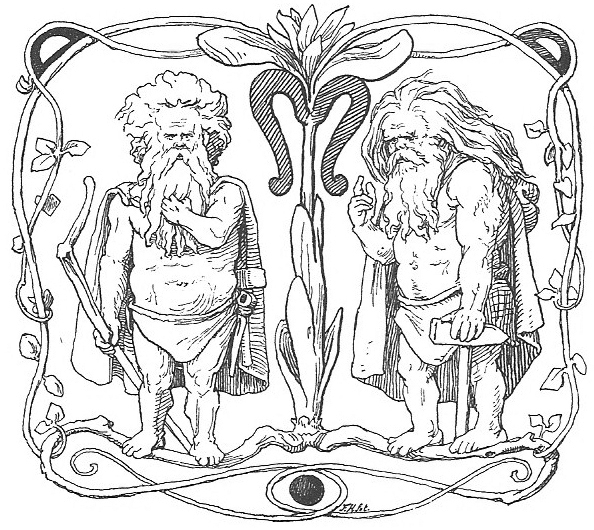
In Old Norse literature the term dvergr (plural dvergar) denotes a class of supernatural beings often translated as "dwarves." They appear throughout sources associated with Norse mythology and are commonly linked with underground places, stone and metal, and skilled craftsmanship. Accounts present them as shrewd and technically gifted figures whose temperament ranges from helpful to covetous.
Image gallery
8 Images



Characteristics and roles
Dvergar are traditionally portrayed as master smiths and builders who fashion magical and practical objects. They are especially connected to craft and metal work, and many sagas credit them with creating renowned weapons, tools and ornaments. They are also associated with deep knowledge and wisdom, while some narratives emphasize their possessiveness or greed. Typical dwellings include caves, mounds and the roots of mountains; their environment reflects their close ties to rock and earth.
Origins and primary accounts
Early mythic accounts describe the first dwarves as springing from the slain primordial being Ymir. One traditional motif holds that maggots or similar creatures on Ymir's body were given form by the gods and became dvergar. The cosmological act involves Odin and his brothers—often named in the texts as Ymir and the creators—and the shaping of the world by Odin and the other æsir. These stories are preserved in the Poetic and Prose Eddas and in skaldic verse.
Notable works and relationships
Many important mythic items are credited to dwarven hands: helmets, swords, ship fittings and other artifacts that carry runic or magical properties. In some tales the craftsmen are specifically called blacksmiths. The boundary between dwarves and other subterranean or diminutive beings is not always strict; some medieval and folkloric sources blur distinctions between dvergar and elves, leading to varied interpretations in later tradition.
Legacy and interpretation
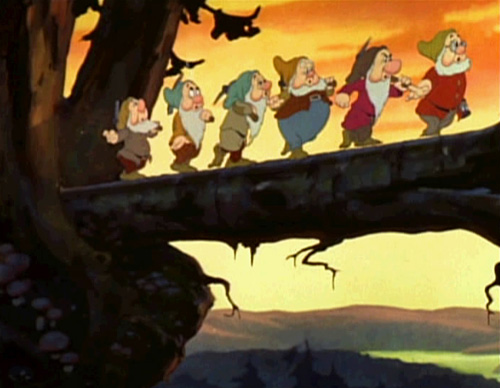
From medieval Icelandic manuscripts to modern fantasy, the dvergr have been adapted and reimagined. Scholars treat them as a flexible element of Germanic mythic imagination—figures that embody artisan skill, secrets of the earth, and ambivalence about wealth. In folklore and popular culture they continue to symbolize expert craftsmanship, subterranean knowledge and, at times, the moral hazards of hoarded treasure.
- Typical domains: mines, caves, rock halls.
- Common functions: smithing, rune-work, crafting of enchanted items.
- Scholarly notes: sources include the Eddas and later saga material; interpretations vary.
Related articles
Author
AlegsaOnline.com Dvergr (Norse dwarves) Leandro Alegsa
URL: https://en.alegsaonline.com/art/29383