
Ebenezer Scrooge: Dickens's famous miser and his cultural legacy
Ebenezer Scrooge, the central figure of Charles Dickens's A Christmas Carol, is a miserly businessman whose supernatural visits lead to repentance; his name and phrase 'Bah! Humbug!' remain cultural touchstones.
Ebenezer Scrooge is the principal fictional character introduced by Charles Dickens in his 1843 work A Christmas Carol, a novel that blends social criticism, supernatural elements, and moral instruction. In the story Scrooge begins as a cold, solitary moneylender who scorns generosity and the season of Christmas. Dickens uses Scrooge to dramatize economic inequality and to argue that compassion and community are necessary remedies for social ills.
Image gallery
6 Images
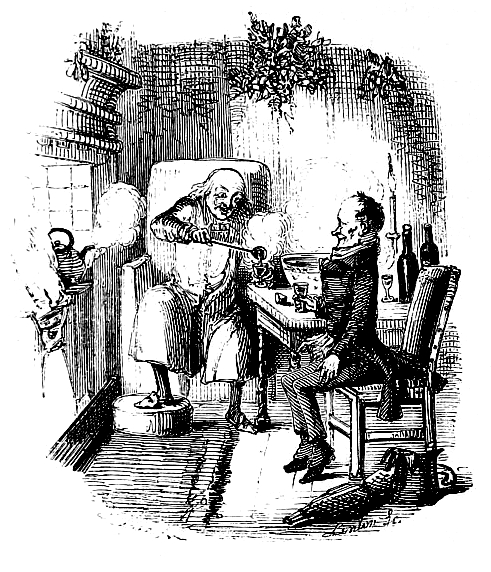


Character and traits
At first presentation Scrooge is mean-spirited, parsimonious, and dismissive of others' suffering. His commonly quoted exclamation "Bah! Humbug!" succinctly expresses his contempt for festive cheer and what he sees as sentimental folly. Key features of his character include:
- Frugality that borders on cruelty — he refuses help and discounts charitable appeals.
- Emotional isolation — estranged from family and indifferent to employees and neighbors.
- Pragmatic obsession with profit — he values money above relationships.
Role in the story and transformation
Scrooge's arc is structured around visitations by the three spirits — the Ghost of Christmas Past, the Ghost of Christmas Present, and the Ghost of Christmas Yet to Come — which force him to confront his history, his present behavior, and the bleak outcomes of continued selfishness. These supernatural encounters lead to remorse and a dramatic change of heart, a classic example of a literary redemption narrative. The threat of social and spiritual ruin, sometimes framed in contemporary readings as the prospect of hell or social ostracism, heightens the stakes of his conversion.
Origins and authorial intent
Dickens wrote the tale at a time of vigorous public debate about poverty and public assistance in Victorian England. He intended the story to provoke sympathy and charitable action. Various anecdotes about Scrooge's inspiration circulate — some biographical sketches and later commentators have suggested models ranging from misers Dickens observed to, less reliably, colorful local figures such as a Dutch gravedigger — but firm, documented attribution to a single real-life prototype is uncertain and should be treated cautiously.
Legacy, usage, and adaptations
The surname Scrooge has entered common language as a byword for stinginess, and his transformation remains a paradigmatic example of moral reform in fiction. The character and story have been adapted repeatedly for stage, film, television, radio, and modern retellings, from faithful period productions to contemporary reinterpretations that place Scrooge in new contexts. Typical adaptation formats include:
- Stage plays and musical theatre revivals introducing varied interpretations of Scrooge's psychology.
- Film and television versions ranging from faithful period dramas to modernized comedies and animated features.
- Literary sequels, parodies, and works that use the character as shorthand for miserliness or late-life redemption.
Because the basic moral question—whether an individual can change and take responsibility to improve others' lives—remains resonant, Scrooge endures as both a cautionary example and an icon of hope. For readers and audiences he is at once a symbol of greed's limits and a reminder of the possibility of generosity and repair.
Further reading and references can be explored via resources linked to the novel and its author, including materials about Dickens's life, Victorian social history, and scholarly discussions of the story's impact: see the primary character entry at the main character page and related analyses at several academic and cultural sites (novel studies, Dickens resources, holiday traditions).
Related articles
Author
AlegsaOnline.com Ebenezer Scrooge: Dickens's famous miser and his cultural legacy Leandro Alegsa
URL: https://en.alegsaonline.com/art/29828
Sources
- telegraph.co.uk : "Real Scrooge 'was Dutch gravedigger'"