
Duat: The Ancient Egyptian Underworld
Duat is the ancient Egyptian conception of the underworld — a complex, symbolic realm of dangers, judgments, and renewal described in funerary texts and associated with the nightly journey of Ra.
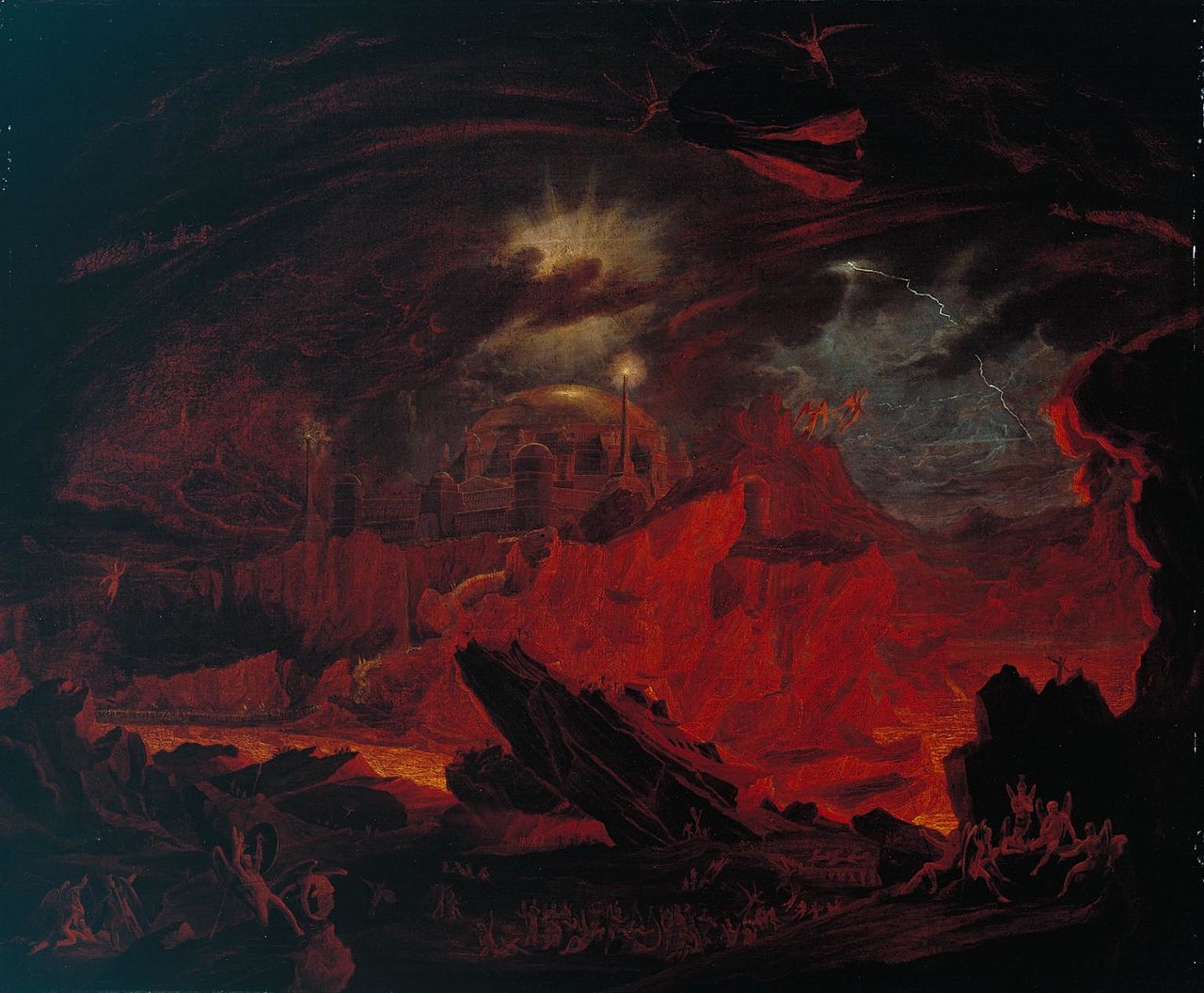
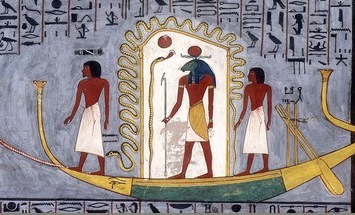
Overview: Duat is the term ancient Egyptians used for the realm of the dead and the supernatural spaces encountered after sunset. It is portrayed as an otherworldly landscape that the deceased and certain gods traverse, and it functions as both a place of trials and a stage for renewal. The solar god Ra was believed to travel through Duat each night, confronting chaotic forces and emerging renewed at dawn, an image that linked death with regeneration.
Image gallery
8 Images



Structure and features
Rather than a single, uniform location, Duat is described as a series of regions, gates, and obstacles. Texts and tomb paintings depict rivers, lakes, deserts, mountains and guarded portals; the journey through these zones required knowledge, spells, and protective names. The deceased often sought to reach beneficial destinations such as the Field of Reeds (Aaru), a paradisiacal agricultural afterlife where the righteous could live much as they had on earth.
Judgment and key figures
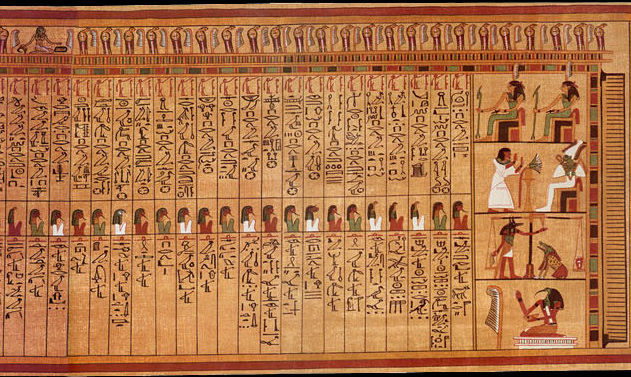
One of the most famous scenes associated with Duat is the Weighing of the Heart. In this judgment scene the heart of the deceased is weighed by Anubis against the feather of Ma'at, the principle of truth and cosmic order; Thoth records the outcome. If the heart was found lighter or balanced, the deceased could proceed toward resurrection and bliss. If it failed the test, the monstrous devourer Ammut would consume the heart, and the individual would be denied continued existence rather than subjected to eternal torment.
Texts, rituals, and funerary practice
Descriptions of Duat survive in a variety of funerary compositions placed in tombs to assist the dead. Major works include the Pyramid Texts, Coffin Texts, the Book of the Dead, and specialized compositions like the Amduat and the Book of Gates that narrate the nightly solar voyage through Duat's hours. These writings provided spells, maps, and names intended to help a deceased person or a king navigate hazards. Tomb paintings, painted coffins, and papyri provided visible guides and were integral to burial practice.
Deities and adversaries
- Anubis — guide and embalmer associated with weighing and protection;
- Osiris — lord of the afterlife and judge connected with resurrection;
- Thoth — scribe who records judgments;
- Ma'at — principle embodied by a feather used in the weighing of the heart (see Ma'at);
- Ammut — the devourer who annihilates failed souls;
- Apophis (Apep) — a chaos-serpent whom Ra battles nightly within Duat.
Meaning, distinctions, and legacy
Duat is not a simple analogue of later concepts such as a permanent heaven or hell. It is tightly bound to Egyptian notions of cyclical renewal, divine kingship and the tripartite human soul (including the ka, ba and eventual akh). Success in Duat meant rejoining the cosmic order; failure meant oblivion. The imagery and rituals associated with Duat influenced neighboring traditions and contributed to broader Mediterranean ideas about judgment after death. For readers seeking more on personal destiny after death, see discussions of the Egyptian soul and funerary rites.
Related articles
Author
AlegsaOnline.com Duat: The Ancient Egyptian Underworld Leandro Alegsa
URL: https://en.alegsaonline.com/art/29081