
Danger (risk and peril)
Danger is the potential for harm, loss, or adverse effects from events, conditions, agents, or actions. This article outlines types, causes, historical perspective, examples, and common ways to assess and reduce danger.
Danger denotes the possibility that an action, condition, or event will cause harm, loss, injury, or other adverse outcomes. It is closely related to the terms risk and peril, which emphasize probability and severity respectively. People, environments, objects, and behaviors can all be sources of danger when they create conditions in which undesirable consequences become more likely.
Image gallery
4 Images
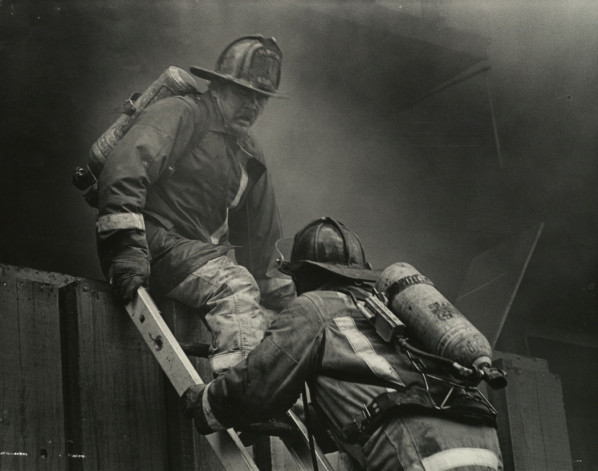


Characteristics and causes
Danger is typically described by two components: the likelihood that a harmful event will occur, and the magnitude of its consequences. Causes range from human choices (reckless driving, unsafe work practices) and technological failures (equipment faults, design flaws) to natural forces (storms, earthquakes) and biological agents (pathogens, venomous animals). Context—such as time, place, preparedness, and individual vulnerability—shapes how dangerous a situation is.
Types and examples
- Physical danger: hazards that can cause bodily injury, for example falls, vehicle collisions, or fires.
- Health danger: exposures that impair health over time, such as tobacco smoke, chemical pollutants, or infectious disease.
- Environmental danger: large-scale threats like flooding, drought, and pollution that affect communities and ecosystems.
- Social and economic danger: threats to wellbeing from violence, poverty, or market collapse.
Managing and reducing danger
Reducing danger involves assessment, avoidance, mitigation, and preparedness. Common steps include hazard identification, estimating likelihood and impact, implementing controls (engineering, administrative, personal protective equipment), and educating people about safer choices. For injuries and physical harm, consult trusted guidance on prevention and first aid via relevant resources.
Historical and conceptual notes
Humans have long classified and responded to danger, developing laws, safety standards, and institutions to limit harm. Modern risk management combines statistics, engineering, psychology, and public policy to balance benefits and hazards, recognizing that eliminating every danger is impossible and that acceptable risk changes with culture, knowledge, and technology.
Understanding danger emphasizes both objective threats and subjective perception: two people may assess the same situation differently depending on experience, training, and values. Clear assessment and proportionate action remain central to reducing harm in everyday life and specialized settings.
Questions and answers
Q: What does danger mean?
A: Danger means the possibility of something bad happening.
Q: What is a situation called when there is a risk of something bad happening?
A: A situation is called dangerous, risky, or perilous.
Q: What do people often do despite the potential of being hurt?
A: People often take risks or do things that might hurt them.
Q: Give an example of taking a risk.
A: Crossing the road without looking carefully is an example of taking a risk.
Q: What can be described as dangerous?
A: Anything that involves a risk of injury or to health can be described as dangerous.
Q: What is an example of something dangerous to health?
A: Smoking is an example of something dangerous to health.
Q: Why can being around some animals be dangerous?
A: Being around some animals can be dangerous because they might attack humans.
Author
AlegsaOnline.com Danger (risk and peril) Leandro Alegsa
URL: https://en.alegsaonline.com/art/25363