
Easter Bunny (Easter Hare): Origins, Traditions, and Cultural Role
A folkloric figure often depicted as an egg-bringing rabbit, the Easter Bunny blends pre-Christian symbols of fertility with Christian spring celebrations and modern customs like egg hunts and chocolate treats.
Overview
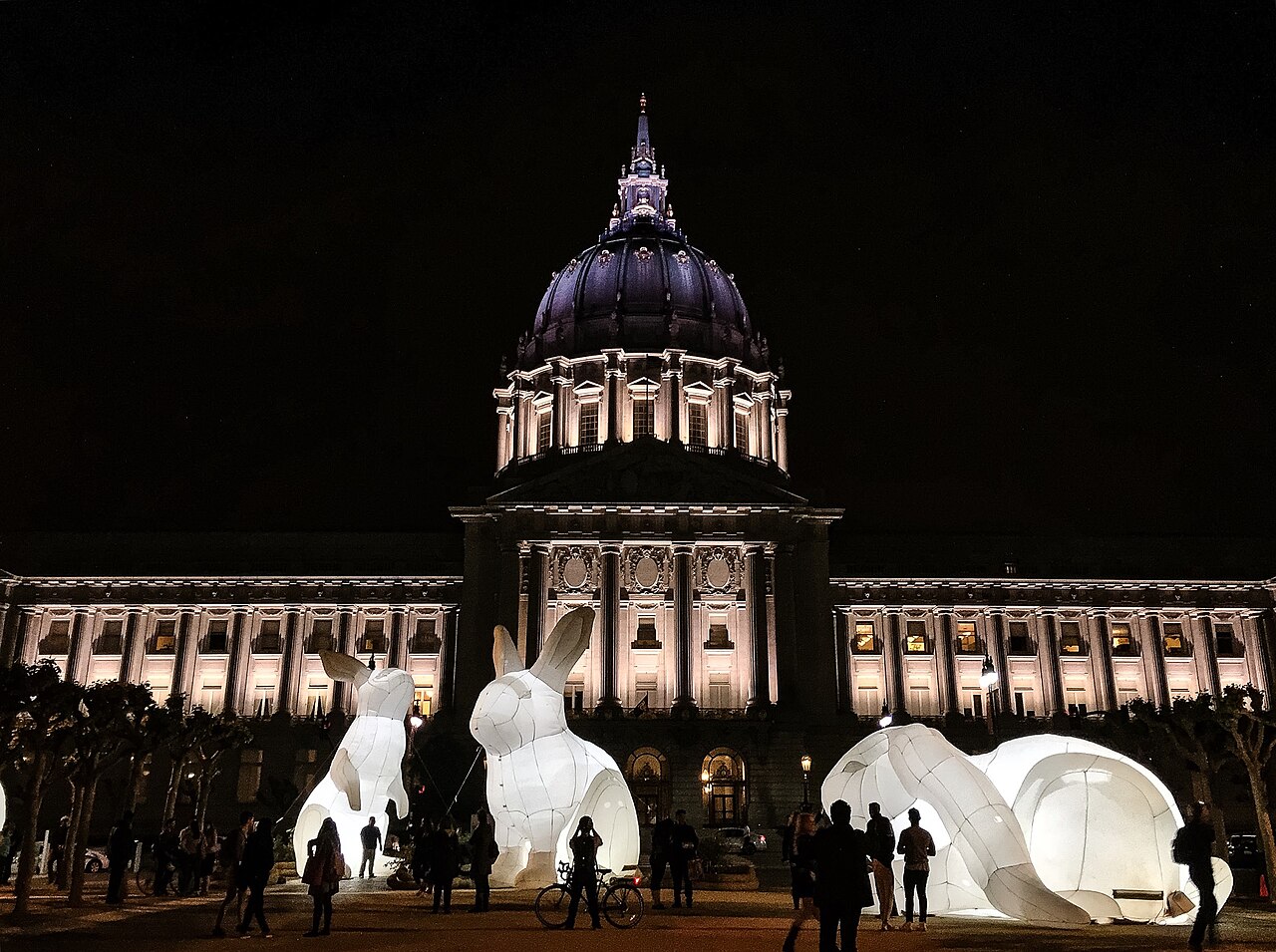
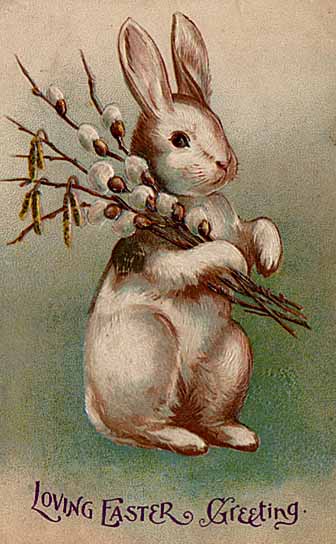
The Easter Bunny, sometimes called the Easter Hare, is a folkloric character typically shown as an anthropomorphic rabbit that delivers decorated eggs, candy and small gifts to children around the time of Easter. In popular practice the creature is said to hide baskets or eggs for children to find on Easter morning, a role analogous in some cultures to other seasonal gift-bringers. For a general depiction see Easter Bunny imagery.
Image gallery
9 Images




Appearance and customary behavior
Depictions vary from a simple hare carrying a basket to a fully dressed, humanlike figure. The common elements are eggs—often brightly colored—sweets and toys. Traditions describe the bunny leaving baskets in a prescribed spot or hiding eggs for a hunt, and families adapt the ritual with homemade decorations, store-bought treats and community events.
Origins and historical development
The Easter Bunny mixes older springtime symbols of fertility and rebirth with Christian observances of Easter. Stories of an egg-laying hare appear in European folklore; the modern concept was shaped in German-speaking areas and brought to North America by German immigrants in the 18th century. Over time the figure absorbed local customs and commercial influences, evolving from a regional folk belief into a widespread cultural icon. For background on Easter themes see Easter traditions.
Common customs and examples
- Egg hunts: children search for hidden eggs in homes or gardens.
- Easter baskets: recipients find baskets filled with candy and small gifts.
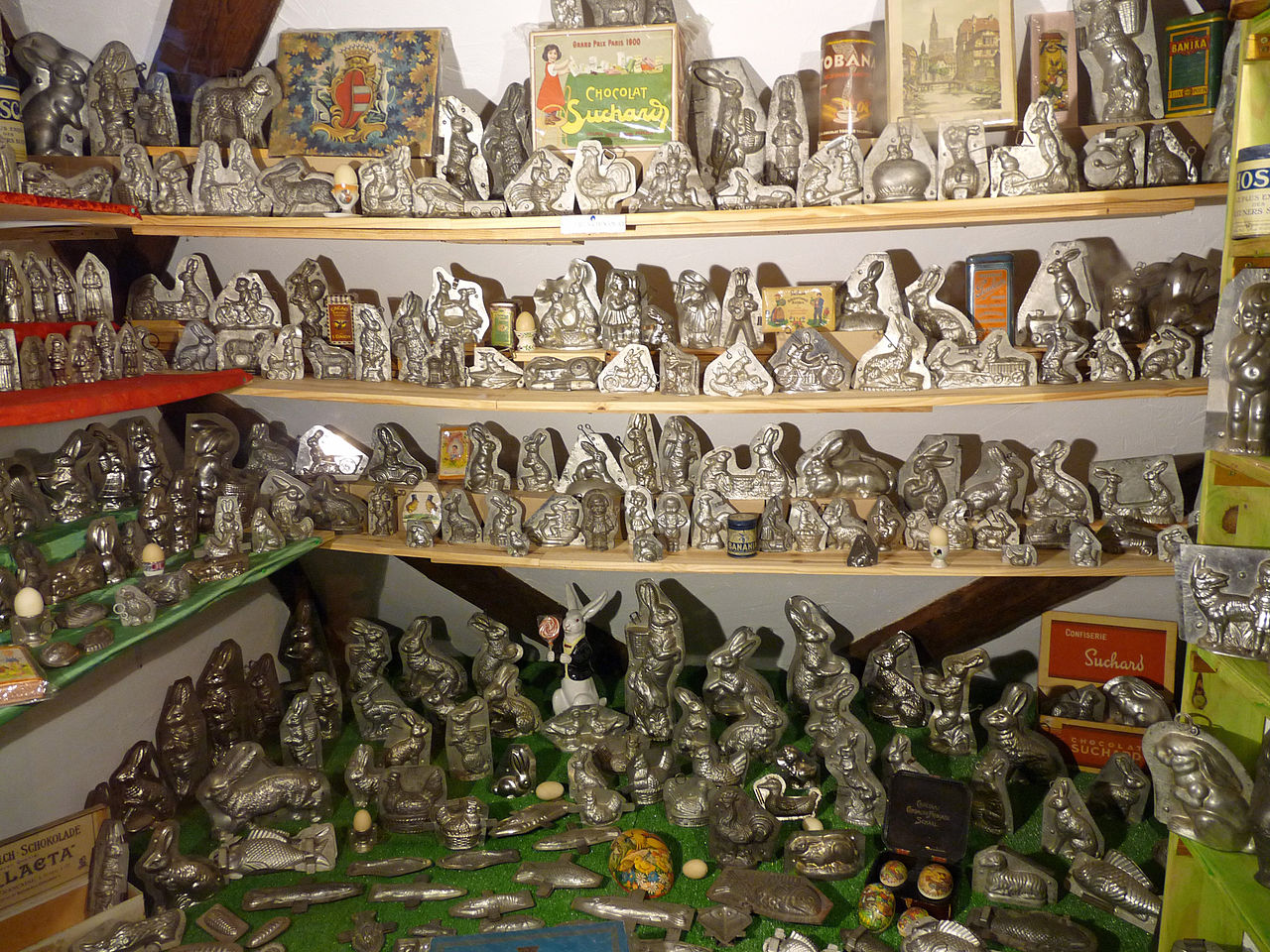
- Chocolate bunnies and confectionery shaped like hares are mass-produced.
- Community parades, craft workshops and church-related activities combine secular and religious elements.
Symbolism, cultural impact and distinctions
The rabbit symbolically represents fertility, new life and the arrival of spring; eggs likewise echo themes of renewal. The Easter Bunny is often compared to other holiday gift-bringers—most notably Santa Claus—because both are imagined figures who deliver gifts on behalf of a holiday. For comparative notes and cultural references see related holiday figures.
Modern notes
Today the Easter Bunny appears across secular and religious settings. It features in advertising, confectionery, children’s literature and public events. Debates sometimes arise over commercialization and the balance between playful folklore and the religious meanings attached to the Easter season, but the figure remains a widely recognized symbol of springtime celebration.
Related articles
Author
AlegsaOnline.com Easter Bunny (Easter Hare): Origins, Traditions, and Cultural Role Leandro Alegsa
URL: https://en.alegsaonline.com/art/29726