
Doctors of the Church: definition, history, and notable figures
An overview of the title 'Doctor of the Church', its meaning, criteria, historical development, notable Western and Eastern figures, and the title's significance in Christian theology and practice.
The title "Doctor of the Church" (from Latin docere, "to teach") denotes a Christian whose writing and teaching have been judged of lasting importance for theology, doctrine and spiritual life. It is an honorific used most formally in the Latin (Catholic) tradition but the idea that certain teachers have special authority is found across several Christian churches. In general usage the phrase points to saints and church writers whose thought is both orthodox and influential, whose works are studied in seminaries and used in preaching and catechesis.
Image gallery
10 Images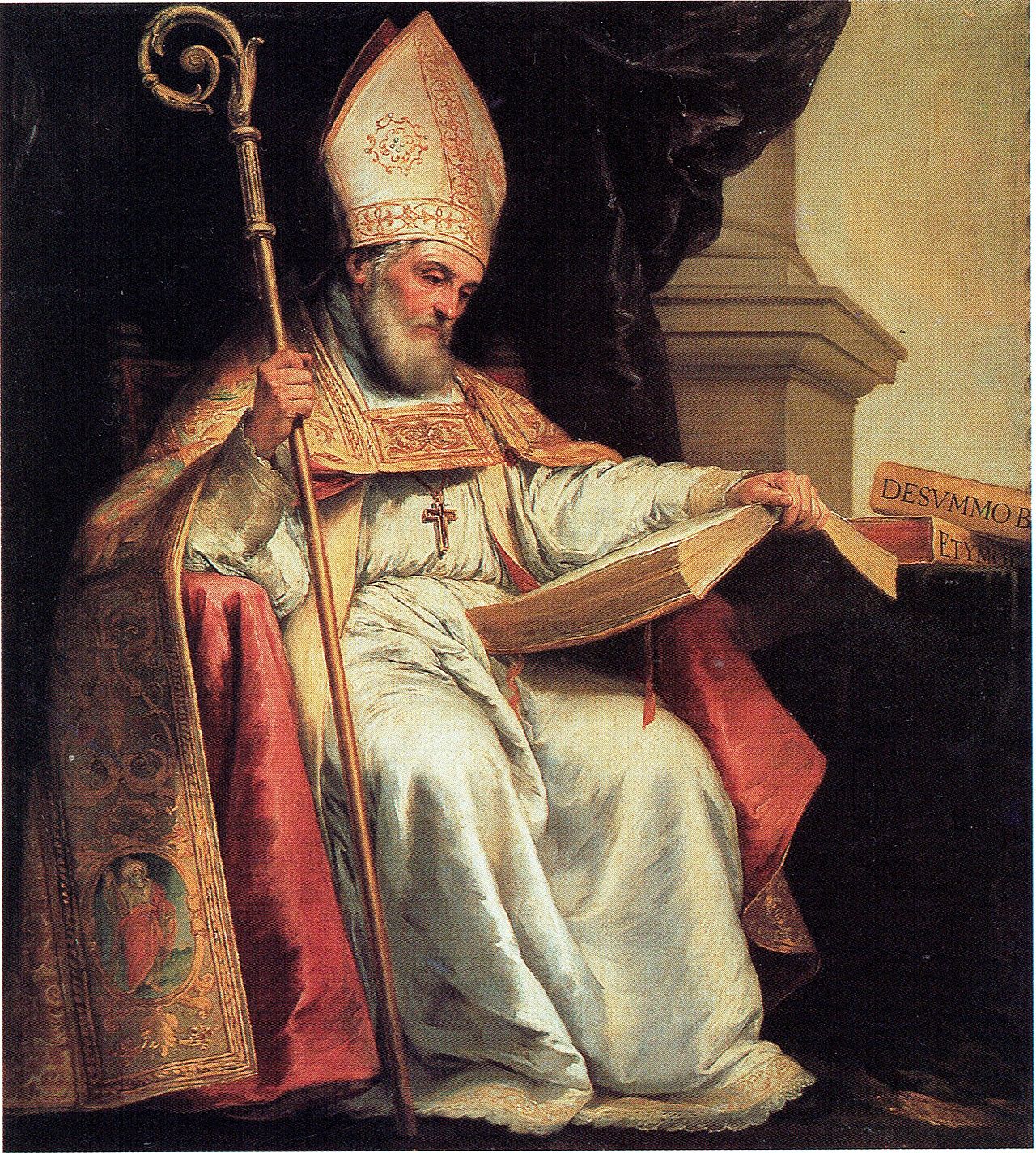



Meaning and criteria
Being named a Doctor emphasizes contribution to teaching rather than simply holiness or pastoral leadership. In the Roman Catholic Church the designation customarily follows canonization and recognizes three broad qualities: eminent learning or doctrinal clarity, the depth and orthodoxy of the person’s writings, and a reputation for sanctity that gives moral weight to their teaching. The title is closely linked to developments in theology and doctrine, and it highlights works that have shaped prayer, liturgy, moral theology, or biblical interpretation. In practice the formal bestowal is a papal act or an official recognition by ecclesiastical authority in the candidate’s church.
Historical development
The use of "doctor" to describe authoritative teachers goes back to the early centuries of Christianity, when bishops and theologians who defended the faith were widely regarded as teachers of the faithful. Over the Middle Ages and into the modern era the Latin Church developed a more formal list of those so honored, adding names at different times as scholarship and devotion highlighted particular writers. Although associated mainly with the Catholic tradition, similar respect for key teachers appears in Eastern Christianity and in Anglican and Protestant contexts, where certain theologians are cited as model teachers even if the formal title is not used.
Notable early and medieval figures
- Ambrose — influential bishop of Milan whose preaching and pastoral work aided the conversion of Augustine and shaped Western liturgy.
- Augustine of Hippo — one of the most cited Western Fathers, author of Confessions and The City of God, central to Western theology.
- Jerome — translator of the Latin Vulgate and a key biblical scholar for the Western Church.
- Gregory I (Gregory the Great) — pope, administrator and writer whose pastoral and liturgical reforms left a lasting mark.
- Thomas Aquinas — medieval theologian whose synthesis of faith and reason shaped Catholic theology and education.
- Anselm of Canterbury — philosopher-theologian who articulated proofs for God’s existence and developed scholastic methods.
Eastern teachers and other important names
The Eastern tradition highlights a different, though overlapping, roster of major teachers. Among them are John Chrysostom, Basil of Caesarea, Gregory of Nazianzus and Athanasius of Alexandria; these Fathers are often called the great teachers of the Eastern churches and their homilies and theological treatises remain central to Eastern liturgy and doctrine. John Chrysostom is especially remembered for his preaching, which combined rhetorical skill with social concern.
Women and modern additions
Over time the title has been applied to a wider range of authors, including mystics and women whose spiritual writings proved formative. Notable examples in the Catholic list include Teresa of Ávila, a reformer of religious life and a profound mystical writer, and Thérèse of Lisieux, whose simple spiritual doctrine influenced modern piety. Other recognized Doctors include Thomas Aquinas (repeated here as central to scholasticism) and later medieval and early modern figures; the catalogue of honored teachers has expanded slowly and selectively across centuries.
Uses, influence and distinctions
The writings of Doctors are used in academic theology, seminary formation, preaching, spiritual direction and devotional reading. Calling someone a "Doctor" is not a claim to infallibility but an acknowledgment that their thought has formed the Church’s understanding in important ways. It differs from the title "Father of the Church," which usually denotes early bishops and theologians who helped establish foundational doctrines. Doctors may belong to many periods and styles — biblical scholars, systematic theologians, medieval scholastics, mystics — and both men and women can be and have been honored with the title.
Further reading and resources
For introductions to particular Doctors and their writings one may consult standard histories of doctrine, anthologies of patristic and medieval texts, and specialized biographies. Contemporary editions and translations of many Doctors’ works are widely available; libraries and academic collections provide critical editions for study. For institutional perspectives consult official statements and catalogues published by the major churches and theological faculties, which provide context for how particular names were recognized and used over time. See also statements by official church bodies and reference guides for more detailed lists and bibliographies: Catholic resources, general overviews of saints, and dedicated entries on individual figures such as theology-focused studies or doctrinal commentaries.
Other useful entry points include biographies and collected writings of the Western Four Great Doctors and the Eastern Fathers, and modern studies that trace how these teachers were received in different centuries. For quick reference on specific figures the reader can consult individual scholarly introductions and translations of their principal works. The enduring value of the Doctors lies not in formal honors but in the continuing use of their thought to illuminate faith, worship and ethical life.
Additional names associated with the Doctors and with influential theological teaching include Hildegard of Bingen and Athanasius of Alexandria, whose works have been studied for their spirituality and doctrinal clarity. For anyone exploring Christian doctrinal history, the writings of these teachers offer primary material for understanding how central doctrines were explained and lived across generations.
Practical note: when seeking primary texts or reliable secondary literature, use academic editions, critical translations and reputable commentaries; many university libraries and online academic catalogues provide reliable starting points.
Further biographical and textual information is available through specialized theological dictionaries and library catalogues; for institutional positions consult the official communications of particular churches and scholarly collections linked above.
Related names and topics mentioned in this article are indexed for further exploration, including detailed studies of the works of Ambrose, Augustine, Jerome, Gregory I, John Chrysostom, Thomas Aquinas, Teresa of Ávila, Thérèse of Lisieux and others cited here.
Selected anchors used above for reference: Christian churches, theology, doctrine, Catholic resources, saints, Ambrose, Augustine, Jerome, Gregory I, John Chrysostom, Thomas Aquinas, Teresa of Ávila, Thérèse of Lisieux.
Related articles
Author
AlegsaOnline.com Doctors of the Church: definition, history, and notable figures Leandro Alegsa
URL: https://en.alegsaonline.com/art/28139