
Dominican Order (Order of Preachers)
A Roman Catholic mendicant order founded by Saint Dominic in the early 13th century, dedicated to preaching, study and teaching; known by the initials O.P. and commonly called Dominicans.
Overview
The Order of Preachers (Latin: Ordo Praedicatorum, O.P.) is a Roman Catholic religious order founded in the early 13th century with a mission centred on preaching, theological study and pastoral ministry. Members include friars, nuns and lay associates who live under a common rule that balances communal prayer, study and apostolic work. The order is often referred to as the Dominicans.
Image gallery
10 Images


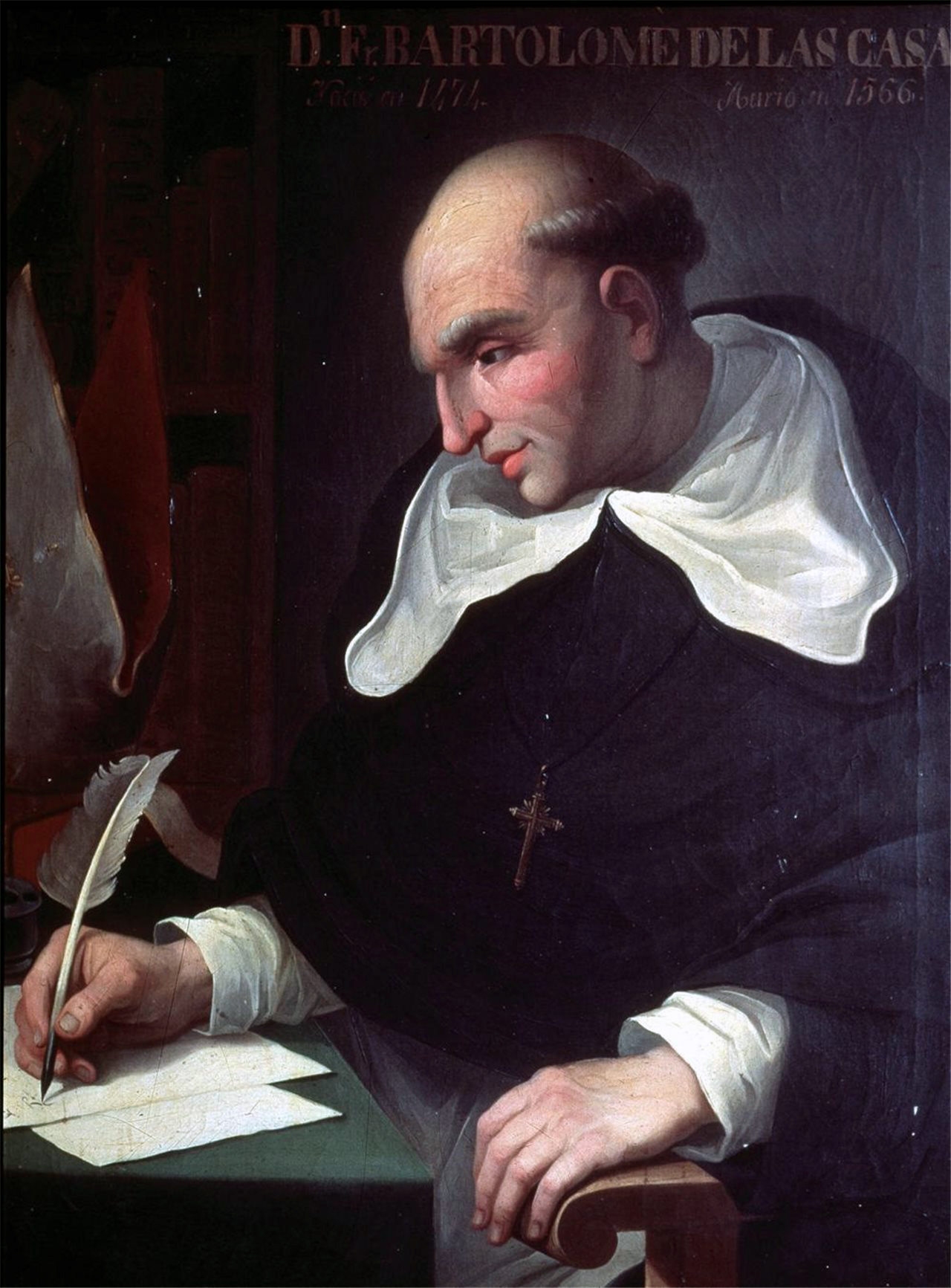
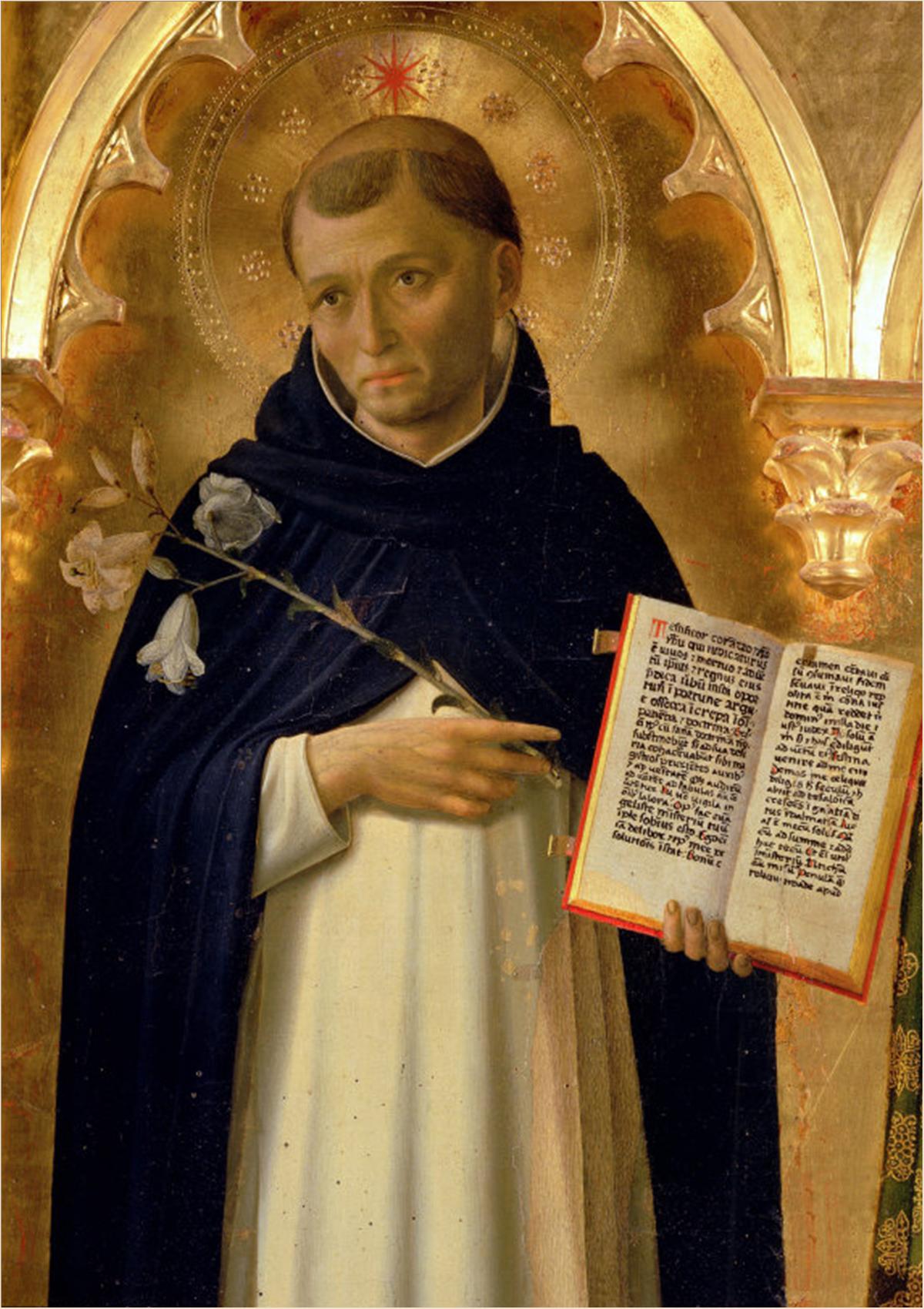
Origins and development
The order traces its origin to Saint Dominic, a Spanish priest who organized itinerant preachers to combat ignorance and moral laxity through informed proclamation and teaching. The community grew rapidly across Europe after receiving formal recognition in the early 13th century and established houses connected to emerging universities and urban centres.
Charism and way of life
Dominican spirituality combines contemplation, communal prayer and rigorous study in service of preaching. Friars wear a distinctive habit—traditionally a white tunic with a black cloak and scapular—which gave rise to the nickname "Blackfriars." The order emphasizes scholarship and theological formation as a foundation for effective pastoral preaching.
Organization and ministries
Structurally the order is divided into provinces and priories, governed by priors and a master general. Ministries commonly include parish work, chaplaincies, university teaching, formation of clergy, retreats, publishing and missionary activity. There is also a Third Order for lay members who share Dominican spirituality while living in the world.
Notable figures and influence
Dominicans have been influential in Catholic theology, education and culture. Among their most famous members are theologians and saints who contributed to scholastic thought and pastoral practice. The order's intellectual tradition shaped theological debate in medieval and later periods and continues to inform contemporary Catholic scholarship.
Distinctive notes
As a mendicant order the Dominicans historically relied on alms and urban engagement rather than monastic enclosure. Over centuries they have been involved in diverse and sometimes contested roles within the Church; their long history includes periods of reform, missionary expansion and active participation in academic life.
Related articles
Author
AlegsaOnline.com Dominican Order (Order of Preachers) Leandro Alegsa
URL: https://en.alegsaonline.com/art/28296