
Dreadlocks (Locks): Formation, Care, History and Cultural Significance
Dreadlocks—often called locks or dreads—are matted coils of hair formed deliberately or by neglect. This article explains how they form, methods, care, cultural history, uses and common misconceptions.
Overview
Dreadlocks, commonly called locks or dreads, are strands of hair that have become matted, felted, or tightly coiled into rope-like sections. They can form in any hair type and may arise through deliberate styling techniques or by leaving hair to intertwine naturally over time. While some people wear dreadlocks for aesthetic reasons, others adopt them for spiritual, cultural, or practical purposes. The term "dread" historically carried different meanings in different languages and contexts and is not inherently pejorative.
Image gallery
10 Images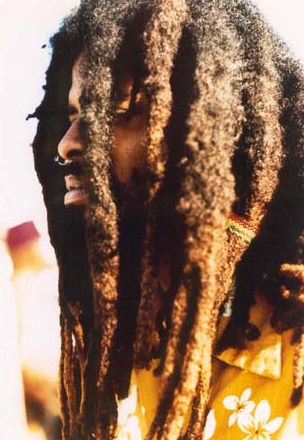


Formation and common techniques
Dreads develop when individual hairs entwine and bind together. Left without combing, hair will sometimes knot on its own and gradually form freeform locks. Many people encourage and shape the process using established methods to obtain a specific size or neatness.
- Freeform / neglect: Allowing hair to naturally mat without regular combing produces irregular, organic locks.
- Backcombing: Combing hair toward the scalp in short sections to create a dense core that is rolled or twisted into a lock.
- Twisting and palm-rolling: Twisting sections with fingers and rolling them between palms to create uniform cylindrical locks.
- Interlocking and crochet: Pulling the ends of a section through its base with a tool to tighten the root, or using a small crochet hook to tidy and join stray hairs.
- Braiding or twisting first: Starting with braids or twists that are later allowed to lock and mature.
Maintenance and care
Contrary to some misconceptions, dreadlocks require hygiene and attention. Regular washing with residue-free shampoos helps remove oils and dirt without loosening the structure; thorough drying is important to prevent musty odors or mildew. Many wearers perform maintenance such as palm-rolling, root tightening, or occasional crochet work to control frizz and maintain shape. Product choices matter: waxes and heavy creams can cause buildup that is difficult to remove.
History, cultural contexts and symbolism
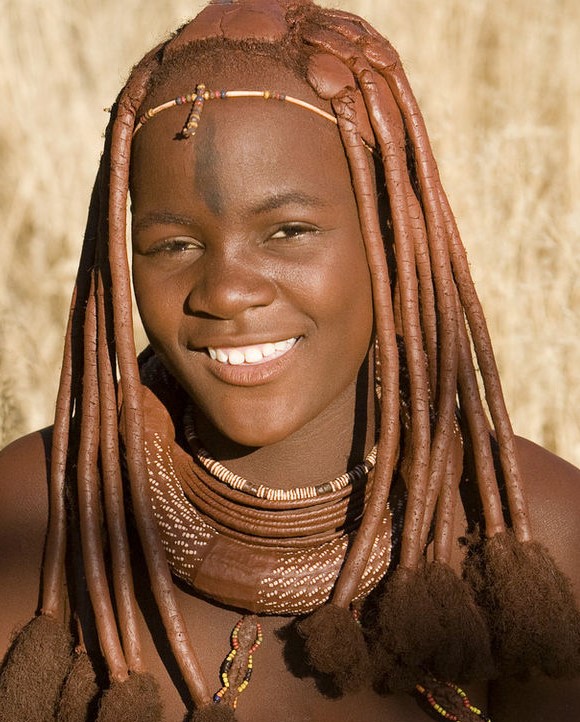
Hairstyles resembling dreadlocks have been documented in diverse societies across history, appearing in religious and cultural contexts in parts of Africa, South Asia, the Mediterranean and beyond. In Hindu traditions, ascetic holy men known as sadhus often wear matted locks as a symbol of renunciation. In modern popular culture, dreadlocks are widely associated with the Rastafarian movement that emerged in Jamaica in the early 20th century; for many Rastafarians, the hairstyle expresses spiritual beliefs and identity. At the same time, people of many backgrounds wear locks for fashion, identity, or convenience.
Uses, symbolism and contemporary issues
Dreadlocks serve practical purposes—such as acting as a protective hairstyle that can reduce breakage—and symbolic roles tied to religion, ethnicity, or personal style. In contemporary discourse they can also raise questions about cultural appropriation, workplace policies, and discrimination. Some jurisdictions and institutions have adopted policies or protections aimed at preventing hairstyle-based discrimination, while debates about respect for cultural meaning continue. For further context on how dreadlocks intersect with cultural identity and activism, see materials on hair and on the Rastafari movement Rastafarian religion.
Notable distinctions and practical tips
- Choose a method that suits your hair type and desired maintenance level: freeform requires patience, while crochet and interlocking offer quicker results.
- Wash regularly and dry completely to keep locks healthy; avoid heavy product buildup.
- Respect cultural meanings: if adopting styles from other traditions, learn their significance and be mindful of context.
Dreadlocks are a versatile and historically rich hairstyle with technical, cultural and social dimensions. Whether grown naturally or created deliberately, they require informed care and carry varied meanings across communities.
Related articles
Author
AlegsaOnline.com Dreadlocks (Locks): Formation, Care, History and Cultural Significance Leandro Alegsa
URL: https://en.alegsaonline.com/art/28897