
Ambrose of Milan: Bishop, Theologian, and Architect of Western Liturgy
4th-century Bishop of Milan, influential theologian and hymnographer. Key opponent of Arianism, mentor to Augustine, author and liturgical reformer; feast day December 7.
Ambrose (c. 330 – 4 April 397) was Bishop of Milan whose leadership, writings and public actions shaped Western Christianity in the late fourth century. He is widely remembered as a skilled preacher, a defender of Nicene orthodoxy, and a hymn-writer whose influence endures in the Ambrosian rite. For background, see Saint Ambrose and his office as Archbishop of Milan.
Image gallery
10 Images




Life and career
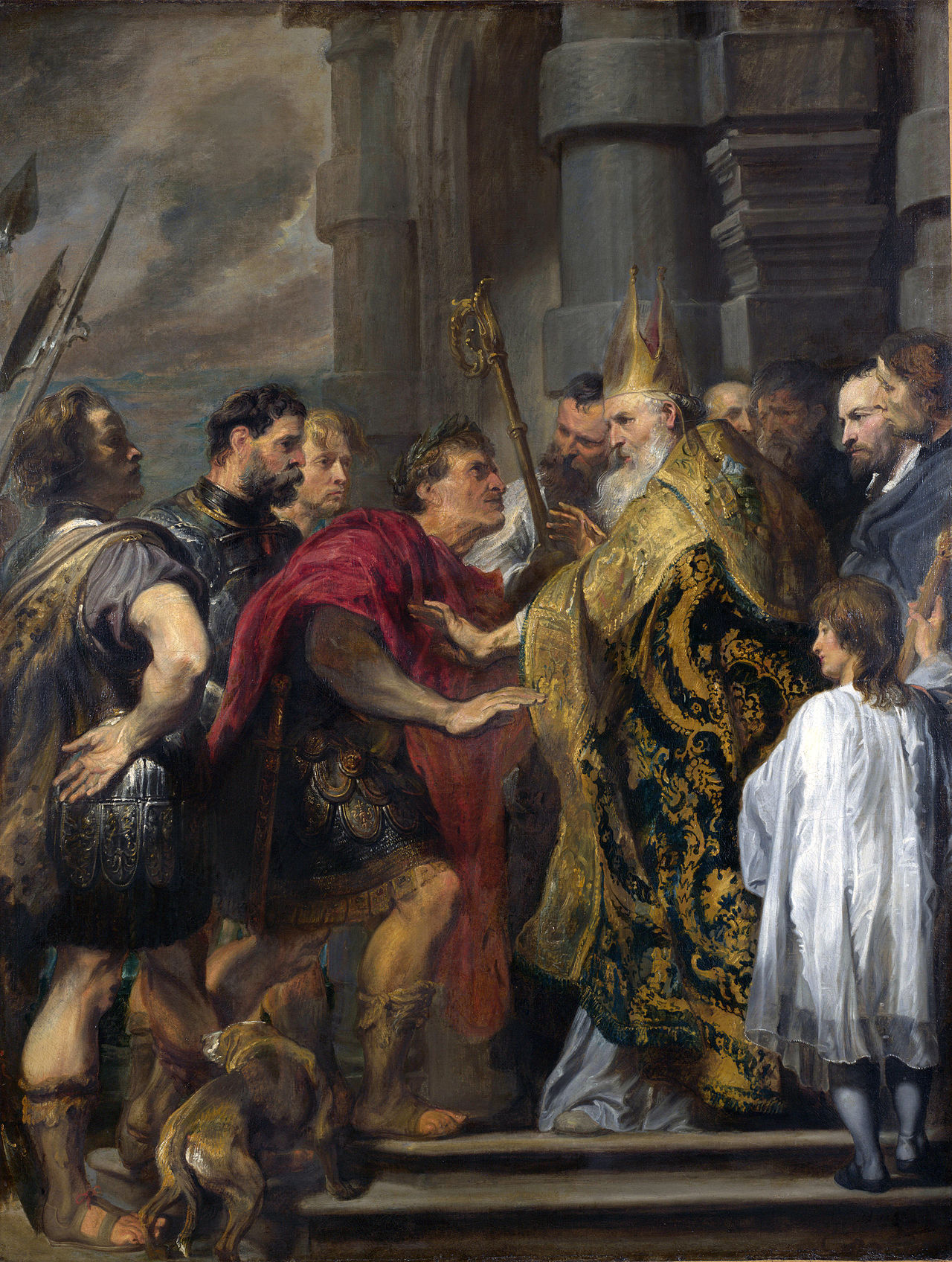
Trained in classical law and rhetoric, Ambrose entered public service as a Roman provincial official. In 374 he was chosen bishop by popular acclamation while still a catechumen, an abrupt transition that led him to be baptized and ordained quickly so he could assume episcopal duties. During his episcopate he confronted theological disputes of his day, especially Arianism, and asserted the moral authority of the church in relation to imperial power. One famous episode involved his withholding of communion from the emperor Theodosius following the Massacre of Thessalonica, a stance that underscored the independence of ecclesiastical discipline.
Writings, music and liturgy
Ambrose left a body of sermons, letters and theological treatises that circulated widely in the Latin West. He promoted an allegorical method of Scripture reading and composed or adapted hymns that contributed to congregational singing. The liturgical customs associated with Milan—collectively called the Ambrosian rite—and a style of chant bearing his name are attributed to his influence on local worship practices.
Influence and legacy
He played a formative role in the spiritual development of Augustine of Hippo, who praised Ambrose’s rhetoric and theological depth; Augustine was baptized in Milan in 387. Ambrose’s insistence on episcopal autonomy, his catechetical methods, and his hymnody helped shape medieval Western Christianity. He is one of the four original Doctors of the Church and is widely venerated; for devotional and historical references see patronage and the designation among the Doctors of the Church.
- Dates: c. 330 – 4 April 397; feast day December 7.
- Roles: bishop, theologian, preacher, hymn-writer, defender of Nicene orthodoxy.
- Notable for: Ambrosian liturgy and chant tradition; influence on Augustine; confronting imperial power.
Ambrose is commemorated in art as a learned bishop and is sometimes associated in popular lore with bees and honey, a motif related to stories of his early life. His practical combination of pastoral care, doctrinal teaching and liturgical creativity secured him a lasting place in Christian history and in the devotional life of Milan and beyond.
Related articles
Author
AlegsaOnline.com Ambrose of Milan: Bishop, Theologian, and Architect of Western Liturgy Leandro Alegsa
URL: https://en.alegsaonline.com/art/3315