
Dogma: Definition, History, Characteristics and Examples
Dogma: authoritative beliefs accepted without dispute. Overview of meaning, origins, how dogmas are formed, examples in religion and ideology, differences from doctrine and dogmatism.
Dogma commonly denotes a principle or set of principles accepted as incontrovertibly true by a group. The word comes from Greek and originally meant a commonly held opinion or what seems fitting; over time it became a label for beliefs that communities treat as authoritative and not open to regular debate. In religious settings dogma is often used for core beliefs and formal doctrines that define a tradition, while in organizations and movements it can mean the settled assumptions of an ideology or institution religion.
Image gallery
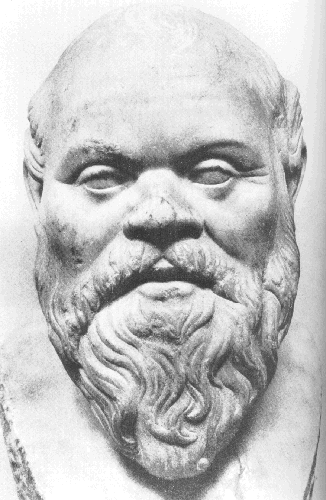
2 Images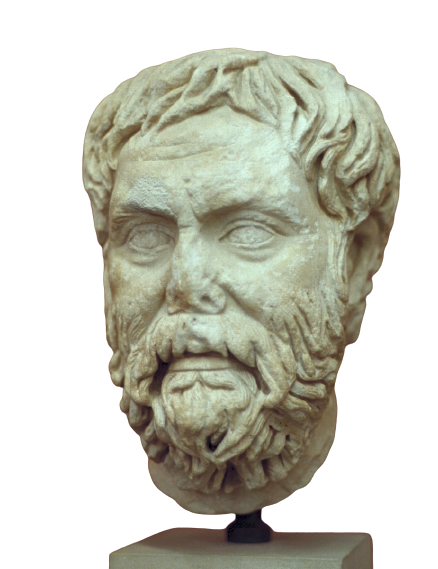
Characteristics
Dogmas tend to share several traits: they are asserted as binding, they are defended by an authoritative body, they are taught as foundational rather than speculative, and they often carry social or institutional consequences for dissent. These traits make dogmas stable focal points for identity and practice, but also sources of controversy when applied outside narrowly defined contexts. Institutions may codify dogma through creeds, declarations, or constitutions ideology.
- Authoritative: declared by leaders or councils organization.
- Non-negotiable: presented as required belief.
- Communal: supported and transmitted within a community.
- Enforced: may involve sanctions for dissent context.
History and development
From its classical origins the term evolved as religious systems organized. Early ecumenical councils and later institutional acts defined creeds that function as dogma in many churches. In some traditions, such as parts of Christianity, certain teachings have been formally pronounced as dogmatic truths by councils or papal declarations; such developments show how communal reflection and authority interact to convert disputed ideas into settled beliefs.
Uses and examples
Religious examples are commonly cited: core tenets like the Resurrection of Jesus are treated as central dogma in many Christian denominations, and other traditions list articles of faith that followers accept as foundational. Outside religion, political movements or professional cultures can form their own dogmas—widely accepted assumptions about how society works or ought to be organized. When people reject a central religious dogma they may be labeled as heretical or dissident point of view and historically could face formal charges heresy.
Different examples illustrate how the word functions: some use Christianity examples to explain dogma, others point to secular ideologies to show how the term acquires negative connotations when dissent is discouraged. Specific historical acts—such as creeds or declarations—have sometimes been recorded as turning points in defining communal belief Resurrection Jesus.
Distinguishing dogma from related ideas helps clarify debate: doctrine is a body of teachings, dogma is a subset presented as essential truth; dogmatism describes an attitude of inflexible certainty. In contemporary discussion the word often serves as a critique: calling a position "dogmatic" highlights a refusal to entertain alternatives, while in many faith communities the term retains a neutral or even positive sense as the carrier of transmitted truth.
Questions and answers
Q: What is a dogma?
A: A dogma is something that should not be disputed or doubted, often referring to basic beliefs and doctrines of a religion.
Q: Can a dogma be related to ideologies or organizations?
A: Yes, what a majority of followers of an ideology or any kind of organization believe in can also be a dogma.
Q: What does the term dogma mean in the context of religion?
A: In the context of religion, the term dogma has a neutral meaning.
Q: Why do most people perceive the term dogma negatively outside of religion?
A: Outside of religion, most people perceive the term dogma negatively because it accepts only a particular point of view.
Q: What can happen if someone disputes a religious dogma?
A: If someone disputes a religious dogma, they can be accused of heresy.
Q: What is an example of a basic dogma in Christianity?
A: In Christianity, the Resurrection of Jesus is a basic dogma.
Q: Are religious dogmas open to dispute or doubt?
A: Religious dogmas are generally not open to dispute or doubt.
Related articles
Author
AlegsaOnline.com Dogma: Definition, History, Characteristics and Examples Leandro Alegsa
URL: https://en.alegsaonline.com/art/28193