
John Chrysostom
Early Church Father and Archbishop of Constantinople, celebrated for eloquent preaching, pastoral reforms, extensive homilies, the Divine Liturgy bearing his name, and wide veneration in Eastern and Western Christianity.
Overview
John Chrysostom (c. 347–407) was a leading preacher, theologian and bishop of the late fourth and early fifth centuries whose eloquence and reforming zeal left a durable mark on both Eastern and Western Christianity. He is popularly known by the Greek epithet Chrysostomos, literally “golden‑mouthed,” a reference to his skill in public oratory. He served as Archbishop of Constantinople for a period marked by pastoral energy, administrative reform and political conflict.
Image gallery
10 Images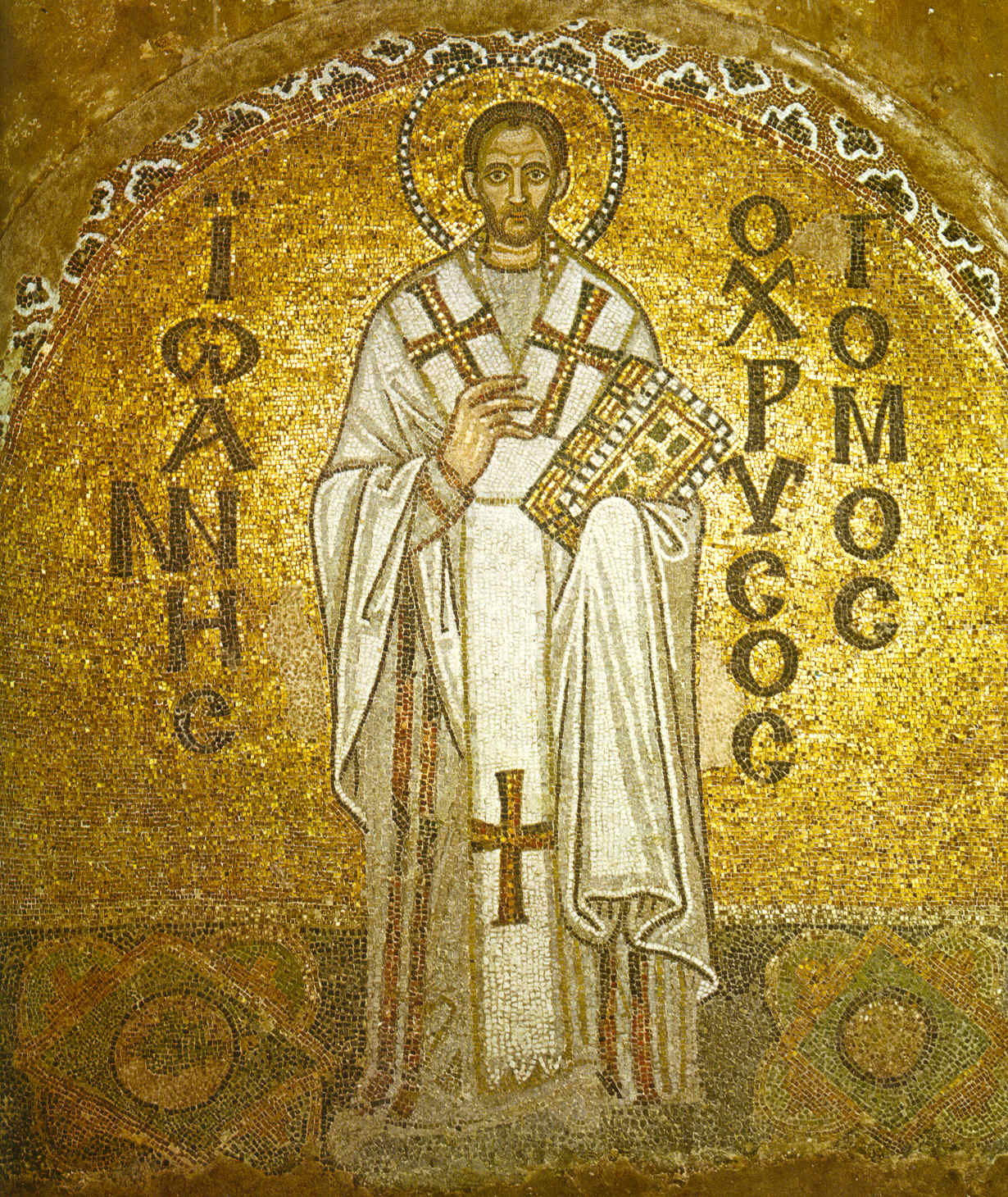


Early life and formation
John was born near Antioch and received a classical education in rhetoric and Christian letters. He trained as a monk for several years and was ordained first as a deacon and then as a priest in Antioch, where his sermons attracted wide attention. His rhetorical training, reportedly including study with noted teachers of the time, shaped the style and persuasive force of his preaching.
Ministry in Antioch and Constantinople
As a preacher in Antioch John addressed both scriptural exposition and pressing social concerns. His sermons combined rhetorical polish with direct appeals to charity, moral reform and pastoral care. When elevated to the see of Constantinople he sought to impose stricter discipline on clergy, to organize relief for the poor and to challenge abuses among officials, actions that brought him into conflict with powerful interests at court.
Conflict, exile and death
John’s outspoken criticism of imperial behavior and episcopal opponents produced a series of ecclesiastical and political struggles. He was deposed and repeatedly exiled by factions opposed to his reforms; these confrontations involved other bishops and members of the imperial household. He died in exile in 407, and his memory was quickly honored in many parts of the Christian world.
Writings and theological emphasis
John left a substantial corpus of homilies, letters and pastoral treatises. His homilies on the Gospels (notably Matthew and John) and on Paul’s letters are among his most influential surviving works. He also wrote practical works for clergy, including the well‑known treatise commonly titled "On the Priesthood," which reflects his concern for the moral and spiritual formation of ministers.
Liturgical contribution
John is traditionally associated with a short eucharistic anaphora that became central to Byzantine worship and is commonly known as the Divine Liturgy of St. John Chrysostom. This liturgy is widely used in Eastern Orthodox and Eastern Catholic rites and has shaped the prayer life of those churches for centuries; its attribution to John reflects his reputation as a liturgist and preacher.
Pastoral style and concerns
John’s preaching is notable for direct moral exhortation, vivid rhetorical images and concrete attention to the needs of the poor. He insisted that Christian faith must be lived out in charity and ethical behavior, and he frequently rebuked wealthy and powerful listeners for neglecting social responsibilities. That blend of classical rhetoric and pastoral urgency made his sermons effective both as theological teaching and as social critique.
Veneration and feast days
John Chrysostom is venerated as a saint across many Christian communions. The Eastern Churches and Eastern Catholic Churches commemorate him on 27 January; many Western Churches, including parts of the Roman Catholic, Anglican and Lutheran traditions, commemorate him on 13 September. He is honored in the Eastern Orthodox tradition (Eastern Orthodox), the Catholic Church (Catholic), the broader Orthodox families (Orthodox) and by the Coptic Orthodox Church of Alexandria (Coptic); he is widely regarded as a saint in those communions.
Legacy and influence
John Chrysostom’s homilies have been continuously read and preached, and his practical writings influenced medieval and later pastoral care. His combination of learned rhetoric and insistence on social justice made him a touchstone for preachers and reformers. His life and works remain a subject of study for historians of theology, liturgy and late antique Christianity (Christianity).
Works and resources
- Major surviving material: numerous homilies on Scripture, letters and pastoral treatises.
- Liturgical legacy: the Divine Liturgy of St. John Chrysostom used in Byzantine rites (text and tradition).
- Feast days and veneration across Eastern and Western churches; continued influence on preaching and pastoral theology.
For further study consult editions and translations of his homilies and letters, as well as histories of the late antique church that treat his life, conflicts and reception across Christian traditions.
Related articles
Author
AlegsaOnline.com John Chrysostom Leandro Alegsa
URL: https://en.alegsaonline.com/art/50592