
Druidism (Druidry): the modern Celtic-inspired nature spirituality
Druidism (Druidry) is a modern spiritual movement inspired by perceived Celtic traditions. Emphasizes nature, seasonal ritual, creative arts and environmentalism; diverse branches range from reconstructionist to eclectic.
Overview
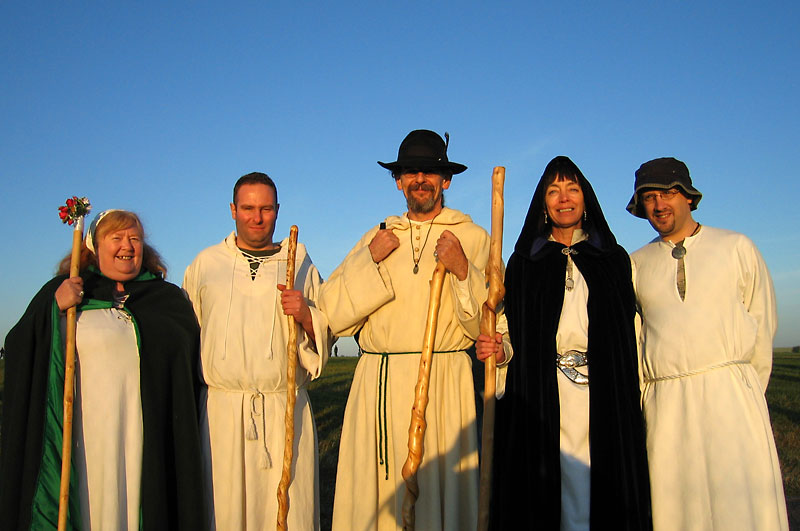
Druidism, often called Druidry, is a contemporary spiritual movement inspired by ideas associated with premodern Celtic priesthoods. Modern Druids generally emphasize living in harmony with the world, especially the natural environment, and many practitioners describe their path as a form of modern spirituality that blends ritual, poetry, music and ecological concern. Although the movement draws symbolic language and imagery from the Celtic past, most scholars agree there is no direct, unbroken institutional continuity between ancient orders and today’s groups.
Image gallery
10 Images




Core characteristics
While beliefs and practices vary, several common features appear across different Druidic communities:
- Reverence for nature and seasonal cycles.
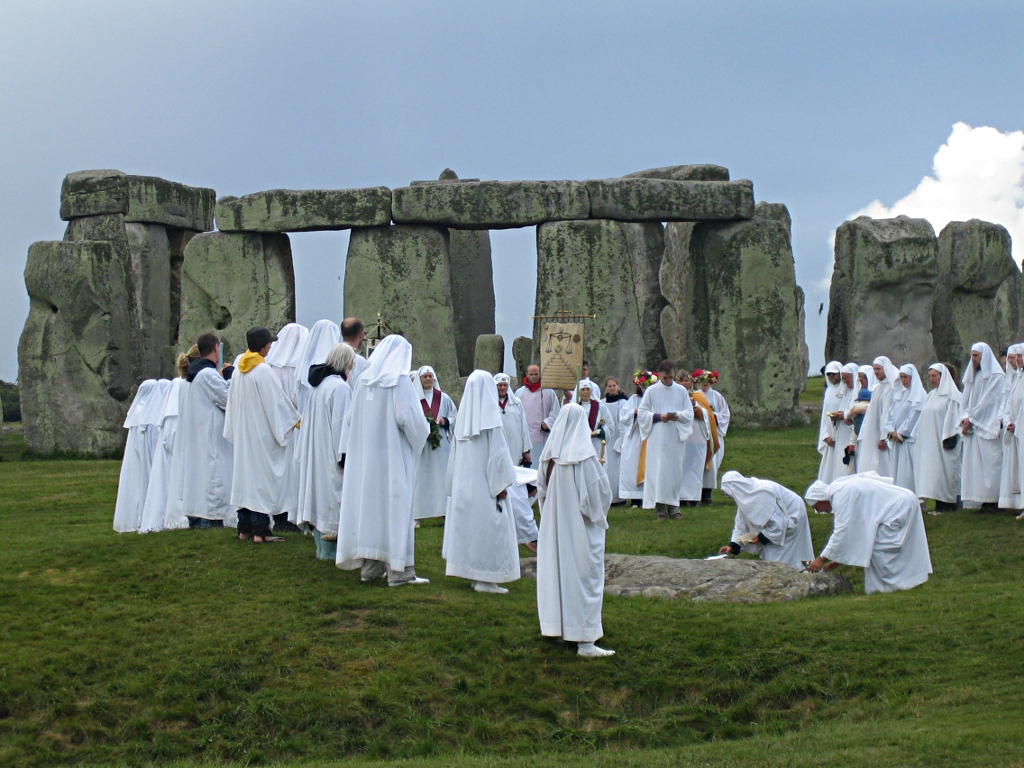
- Use of outdoor rites, often at sacred trees, stone circles or groves.
- Emphasis on creative expression—poetry, music and storytelling.
- Ethical commitments to environmental stewardship and community service.
- Symbolic use of motifs such as the oak, mistletoe and the Awen (three-rayed inspiration symbol).
History and development
The modern Druid revival took shape in the 17th–19th centuries amid antiquarian interest and the Romantic movement, which idealized rural and ancestral cultures. Early revivalists mixed popular imagination, classical descriptions, and new inventions to construct ceremonial forms. Those constructions were influenced by interpretations of the Iron Age past and accounts of ancient Celtic druids, but later scholarship showed many revival elements were creative reconstructions rather than authentic survivals.
Organization, practices and festivals
Modern Druidry is pluralistic: some groups pursue historical reconstruction, others follow eclectic or initiatory orders. Organizations provide study programs, seasonal gatherings and public rituals. Common festivals track agricultural and solar cycles—examples include celebrations corresponding to Samhain, Imbolc, Beltane and Lughnasadh—and rituals range from quiet meditations to large communal ceremonies.
Importance and distinctions
Druidism sits within the broader landscape of Neopagan movements but is distinct in its particular use of Celtic-inspired imagery and its emphasis on bardic arts and nature-based ethics. It has attracted people interested in ecological activism, community arts, and alternative spiritual practice. Modern Druids generally acknowledge the historical separation from ancient institutions while valuing the symbolic and cultural continuity that informs their rituals and values.
For further reading on cultural context and contemporary organizations, consult authoritative sources and community websites: Celtic context, modern spirituality overview, and movement-specific pages such as nature worship resources and group directories at nature organizations, Romantic-era studies, Iron Age research and historical surveys of the Celtic druids.
Related articles
Author
AlegsaOnline.com Druidism (Druidry): the modern Celtic-inspired nature spirituality Leandro Alegsa
URL: https://en.alegsaonline.com/art/29023