
Pope Gregory I (Gregory the Great)
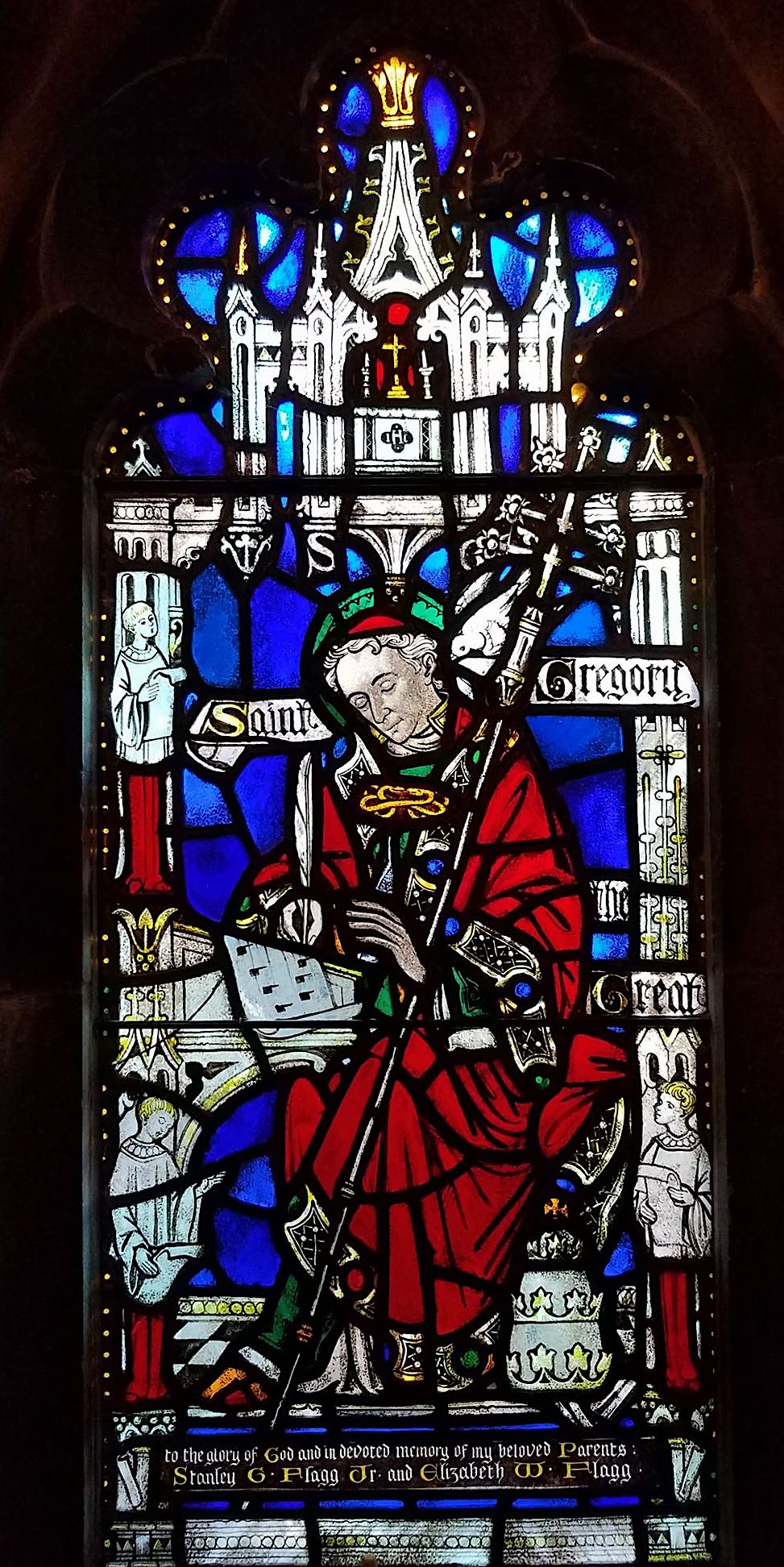
Pope Gregory I (c. 540–604), known as Gregory the Great, was a Roman aristocrat, monk, pope and reformer whose writings, diplomacy and missions shaped medieval Western Christianity.
Overview
Pope Gregory I (commonly called Gregory the Great) served as bishop of Rome from 590 until his death in 604. Emerging from a wealthy Roman senatorial family, he combined administrative skill, theological writing and pastoral care during a period of political instability, plague and migration. His papacy is widely regarded as a turning point in the organization and influence of the Western Church.
Image gallery
10 Images



Early life and career
Born in Rome around the middle of the sixth century, Gregory entered public service before turning to religious life. He is traditionally described as having converted his family house into a monastery and lived as a monk for several years. He also spent time in Constantinople as a papal representative and later served as a deacon responsible for charitable distribution and city administration. These experiences shaped his administrative approach when he became pope.
Papacy: reforms, diplomacy and missions
Gregory assumed the papal office at a time of famine, plague and Lombard incursions in Italy. He strengthened the Church’s charitable networks, reorganized diocesan administration and used diplomatic channels to protect Roman interests. One of his most lasting initiatives was the mission to the Anglo-Saxons: he dispatched missionaries to Britain, an effort that played a central role in the Christianization of England. He also negotiated with secular rulers and local powers to maintain services and order in the city and surrounding territories.
Writings and liturgical influence
Gregory was a prolific author. His major works include pastoral guides and homiletic collections that influenced clergy training and monastic practice across medieval Europe. He is often associated with reforms of worship and chant—an association that later generations named Gregorian chant—though the musical tradition developed over centuries. His letters and theological writings remained reference points for medieval theologians and bishops.
Notable works and legacy
- Pastoral guidance: manuals on the duties of bishops and clergy.
- Spiritual writings: homilies and dialogues used for instruction and devotion.
- Missionary policy: commissioning of missions to convert northern Europe.
Gregory’s name is attached to administrative and liturgical precedents that shaped Western Christendom after the fall of the Roman imperial administration. He is remembered as a saint and teacher of the Church; many later writers and institutions cite his letters and rules when discussing pastoral care and ecclesiastical governance. For modern readers seeking primary sources, critical editions of his letters and works are commonly referenced in scholarly collections: see collected letters and works and a modern biographical overview. For studies of his mission to England consult resources on the Gregorian mission, and for context about the city he governed see histories of Rome.
While some attributions and legends grew up around his figure in later centuries, the core historical picture shows a pope who combined ascetic sensibility, practical administration and a literary voice that continued to influence Christian institutions for centuries.
Author
AlegsaOnline.com Pope Gregory I (Gregory the Great) Leandro Alegsa
URL: https://en.alegsaonline.com/art/128870