
Dietary mineral: essential inorganic nutrients in food
Dietary minerals are chemical elements required in food for growth, structure, and metabolic processes. They include macrominerals like calcium and phosphorus and trace minerals such as iron and zinc.
Overview
A dietary mineral is a chemical substance needed in the diet that consists of a chemical element rather than a complex organic molecule. Unlike the major biological building blocks—carbon, hydrogen, nitrogen, and oxygen—which form the backbone of cells and macromolecules common to all living things, dietary minerals are inorganic elements that organisms must obtain from their environment or food.
Image gallery
2 Images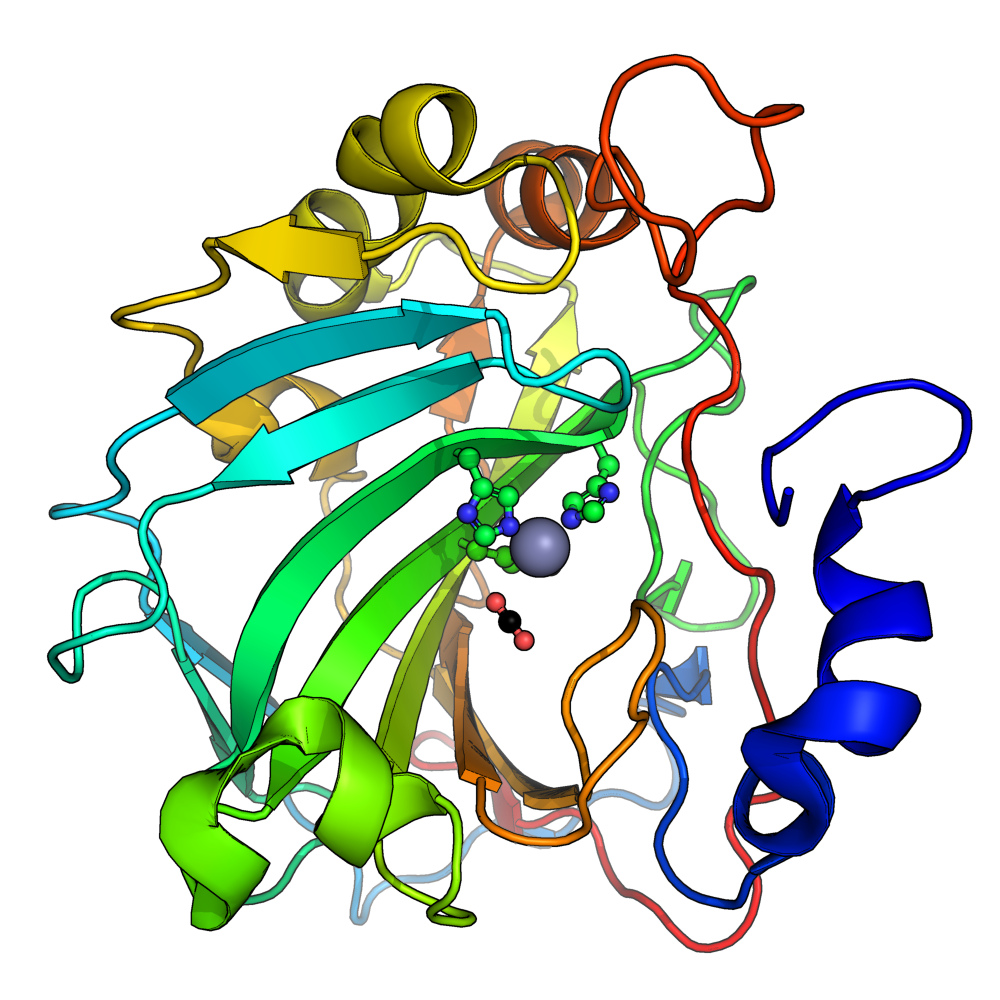

Characteristics and classification
Minerals required by organisms are classified by the amounts needed: macrominerals are required in larger quantities, while trace minerals are needed only in small amounts. They occur in soils, water and foods in ionic or bound forms and are absorbed across the gut. Minerals serve structural roles, act as cofactors in enzymes, and help maintain electrical and acid–base balance in tissues.
Common minerals and examples
- Calcium — important for bones, teeth and cell signaling.
- Iron — central to haem proteins and the formation of red blood cells.
- Potassium — key for nerve impulses and fluid balance.
- Phosphorus — a component of nucleic acids and energy-carrying compounds.
Functions, sources and examples
Dietary minerals perform a range of roles. Some provide structural support—calcium and phosphorus in the skeleton—while others are essential for oxygen transport, enzyme activity, nerve conduction and muscle contraction. Humans and many animals obtain minerals from varied diets: dairy, leafy vegetables and fortified foods are common sources of calcium; red meat and legumes supply iron; fruits and vegetables contribute potassium. Absorption and needs vary by age, health and physiological state; bioavailability can be affected by other dietary components.
Importance, deficiency and excess
Insufficient intake of a mineral can lead to deficiency disorders, impaired growth or metabolic dysfunction; conversely, excessive intake can cause toxicity because minerals are elements that the body cannot metabolize away. Public health measures such as food fortification, dietary guidance and testing aim to prevent both deficiency and excess. Research and recommendations continue to refine optimal intake ranges for different populations.
Notable distinctions and further reading
Not all elements in food are essential; only those with demonstrable biological roles are classified as dietary minerals. The study of these elements intersects nutrition, physiology and environmental science. For general definitions and lists of recognized minerals, consult introductory nutrition resources and authoritative dietary guidelines tailored to humans and to other animals.
For more detailed topics such as mineral interactions, soil-to-food transfer and clinical mineral disorders, see specialized references and guidelines: chemical element basics, metabolism summaries and public health resources offer deeper context.
Related articles
Author
AlegsaOnline.com Dietary mineral: essential inorganic nutrients in food Leandro Alegsa
URL: https://en.alegsaonline.com/art/27317