
Phosphorus: element P, properties, allotropes, uses and impact
Overview of phosphorus (P, atomic number 15, atomic weight ~30.97): its forms, chemistry, biological role, industrial uses, history, production and safety/environmental concerns.
Overview
Phosphorus is a chemical element widely recognized by the symbol P. It has atomic number 15 and a standard atomic weight around 30.97. Elemental phosphorus is highly reactive and does not occur freely in nature; it is most commonly encountered in minerals as phosphate anions (PO4 3−). Phosphorus is essential for life and an important industrial raw material.
Image gallery
10 Images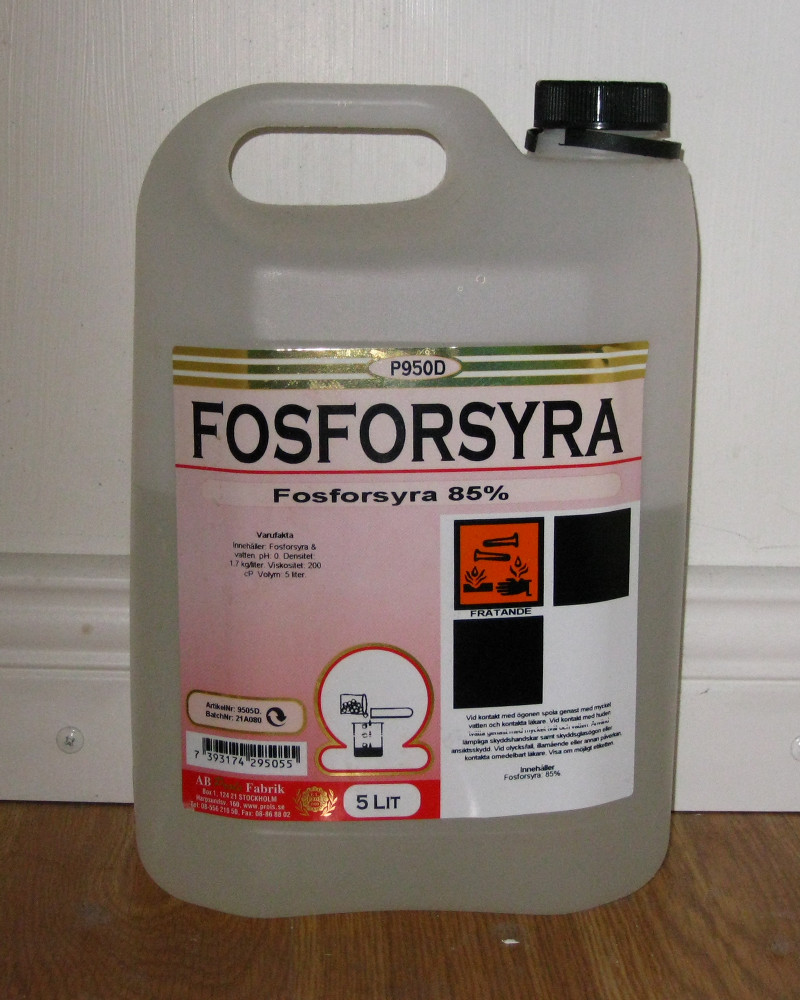





Allotropes and physical properties
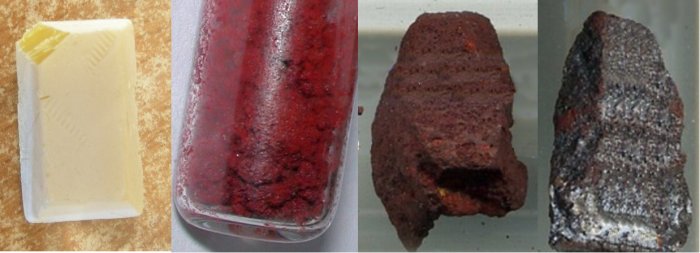
Phosphorus exists in several allotropes with distinct appearances and behaviors. The best known are white (or yellow) phosphorus, red phosphorus and black phosphorus.
- White phosphorus: a waxy, translucent solid that glows in the dark in air, is highly reactive and pyrophoric (can ignite spontaneously); it is stored underwater to prevent oxidation.
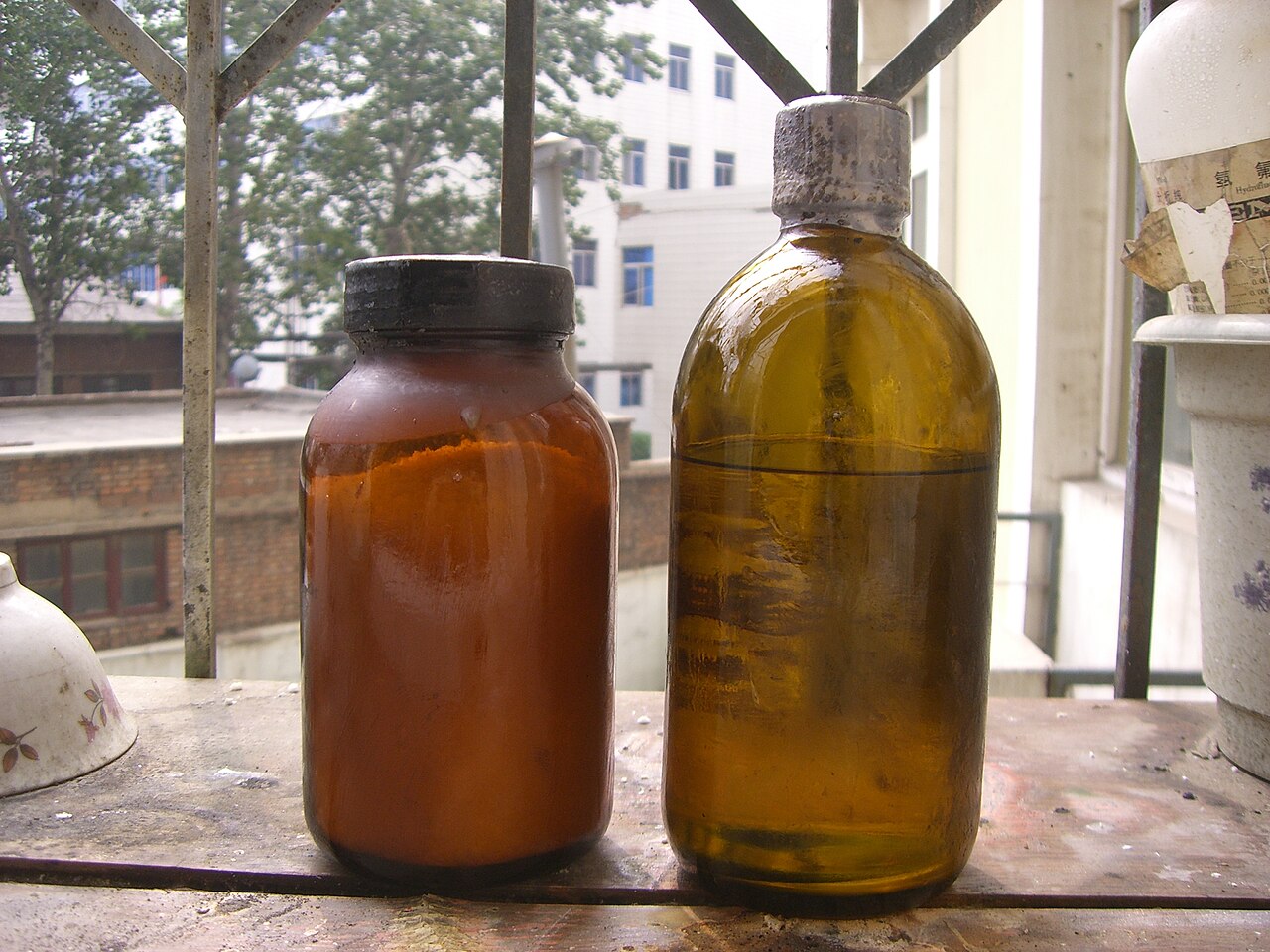
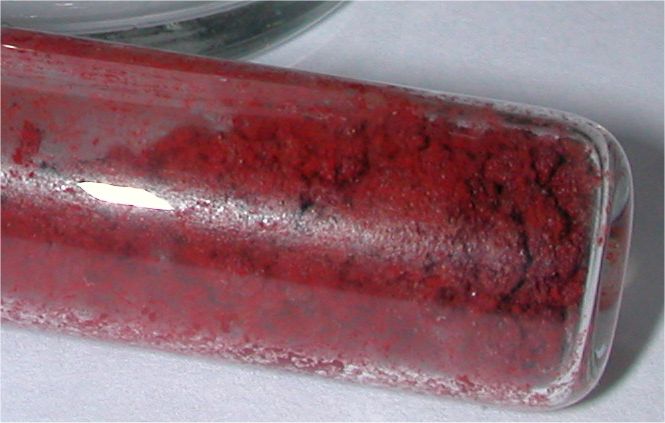
- Red phosphorus: more stable and non‑flammable at room temperature; produced by heating white phosphorus and used commercially in safety matches, flame retardants and other applications.
- Black phosphorus: the least reactive, with a layered, graphite‑like structure and semiconducting properties that have attracted research interest.
Occurrence and production
Phosphorus is naturally found in phosphate rocks and sediments. Commercial production typically begins with mined phosphate rock, which is processed to produce elemental phosphorus or phosphoric acid. Elemental phosphorus has historically been produced by reducing phosphate rock with carbon in electric furnaces; modern industry also recovers phosphorus compounds for fertilizers and chemical feedstocks.
Biological role and uses
Phosphorus is a key component of biological molecules. It forms part of adenosine triphosphate (ATP), nucleic acid backbones (DNA and RNA), and phospholipids in cell membranes. Industrially, phosphorus and its compounds are critical in:
- Fertilizers (phosphate salts) to supply essential nutrients for plant growth.
- Detergents, water treatment chemicals and specialty chemicals derived from phosphates.
- Flame retardants, metal treatments, and certain semiconductor research (black phosphorus).
History and notable facts
Phosphorus was first isolated in the 17th century by alchemical and chemical experimentation; it was the first element discovered that glows in the dark. The name derives from Greek roots meaning "light‑bearer." Its isolation and early uses influenced chemistry and industry, particularly in agriculture when phosphate fertilizers became widespread.
Safety, environmental and economic considerations
White phosphorus is toxic and can cause severe burns; strict handling controls are required. Environmentally, excess phosphorus from agricultural runoff is a major cause of eutrophication in freshwater and coastal ecosystems, driving algal blooms and oxygen depletion. Because phosphate rock is a finite resource concentrated in a few geographic regions, efficient use and recycling of phosphorus are important economic and environmental goals.
For more technical or historical details, consult specialized chemistry references and materials on mineral processing and environmental management. See also resources on phosphorus recycling and fertilizer management for current practices.
Related articles
Author
AlegsaOnline.com Phosphorus: element P, properties, allotropes, uses and impact Leandro Alegsa
URL: https://en.alegsaonline.com/art/76581