
Blood cell: types, functions, production and clinical importance
Comprehensive overview of blood cells: red cells, white cells, and platelets; their structure, formation in bone marrow, roles in oxygen transport, immunity and clotting, clinical tests and notable differences.
Overview
A blood cell is any living or cellular fragment normally suspended in the circulating blood. These elements perform essential tasks that keep tissues supplied with oxygen, protect the body against infection and prevent excessive bleeding. The generic term blood cell covers several distinct kinds of cells with different shapes, lifespans and roles.
Image gallery
3 Images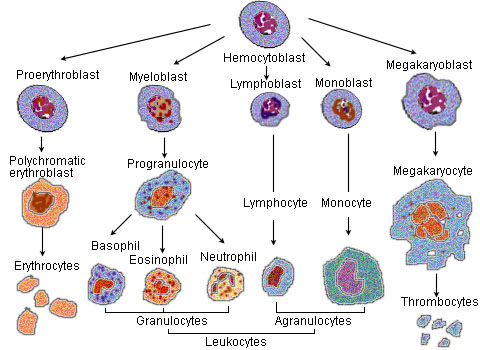

Types and main functions
In mammals there are three principal blood components produced and maintained by the bone marrow; this classification is commonly described for mammals:
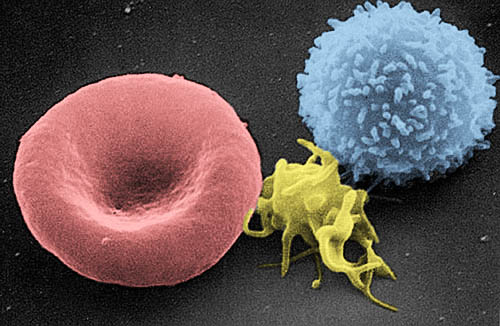
- Red blood cells (erythrocytes) — biconcave cells that carry oxygen and help transport carbon dioxide. Mammalian erythrocytes normally lack a nucleus and contain hemoglobin; they have a limited lifespan in circulation.
- White blood cells (leukocytes) — a diverse group that defends against pathogens and removes damaged tissue. Major subtypes include neutrophils, lymphocytes, monocytes, eosinophils and basophils, each with specialized immune functions.
- Platelets (thrombocytes) — small cell fragments derived from megakaryocytes that participate in clot formation and wound sealing. Although often called thrombocytes, true platelets in mammals are anucleate fragments rather than whole cells.
Formation and lifecycle
All blood elements originate from hematopoietic stem cells in the bone marrow through a process called hematopoiesis. Red cells are stimulated by erythropoietin and typically persist for about 120 days before removal by the spleen; platelets circulate for several days; white cell lifespans vary widely from hours to years depending on type. Production rates adapt to physiological demands such as bleeding, infection or low oxygen.
Clinical importance and uses
Blood cells are central to many medical tests and treatments. A complete blood count (CBC) measures numbers and proportions of red cells, white cells and platelets and helps diagnose anemia, infections, clotting disorders and blood cancers. Transfusions, bone marrow transplantation and targeted drugs (for example to boost red cell production) are clinical approaches that directly involve these cells.
Distinctions and notable facts
There are important differences across animal groups: non‑mammalian vertebrates often have nucleated red cells and thrombocytes that are whole cells rather than platelet fragments. Research areas include stem cell therapies, improving storage for transfusion, and artificial blood substitutes; yet the natural balance of the three blood components remains foundational to human physiology.
Examples and practical context
In everyday medicine, changes in any blood cell type can signal disease: low red cells suggest anemia, high white cells may indicate infection or inflammation, and reduced platelets can increase bleeding risk. Understanding these cells helps clinicians assess health, guide treatment and monitor recovery.
Related articles
Author
AlegsaOnline.com Blood cell: types, functions, production and clinical importance Leandro Alegsa
URL: https://en.alegsaonline.com/art/12244