
Dew: Formation, Characteristics, Uses and Cultural Significance
Dew is water condensed onto surfaces as they cool overnight. This article explains how dew forms, factors that affect it, related phenomena (frost, fog), practical uses, and cultural references.
Overview
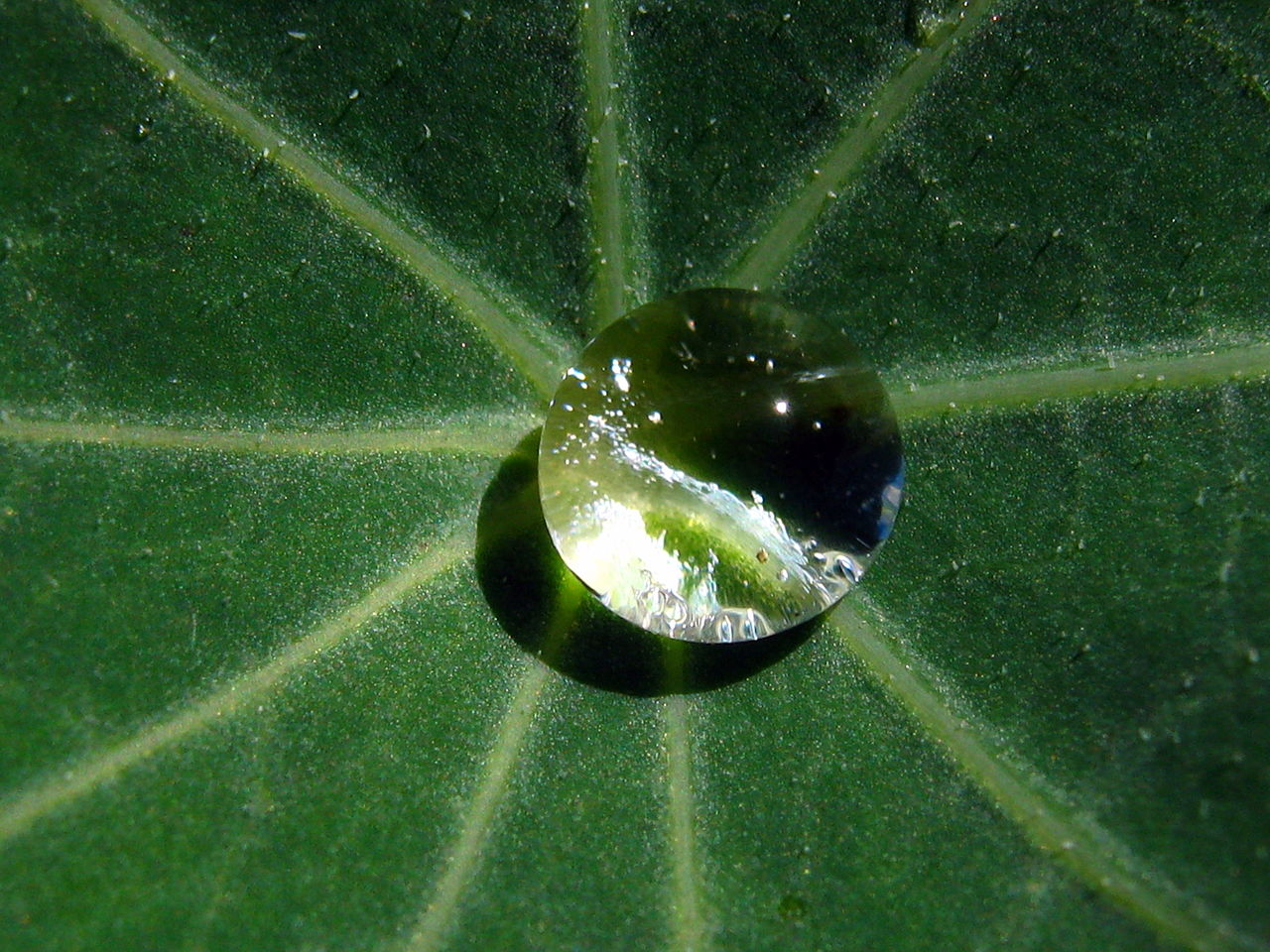
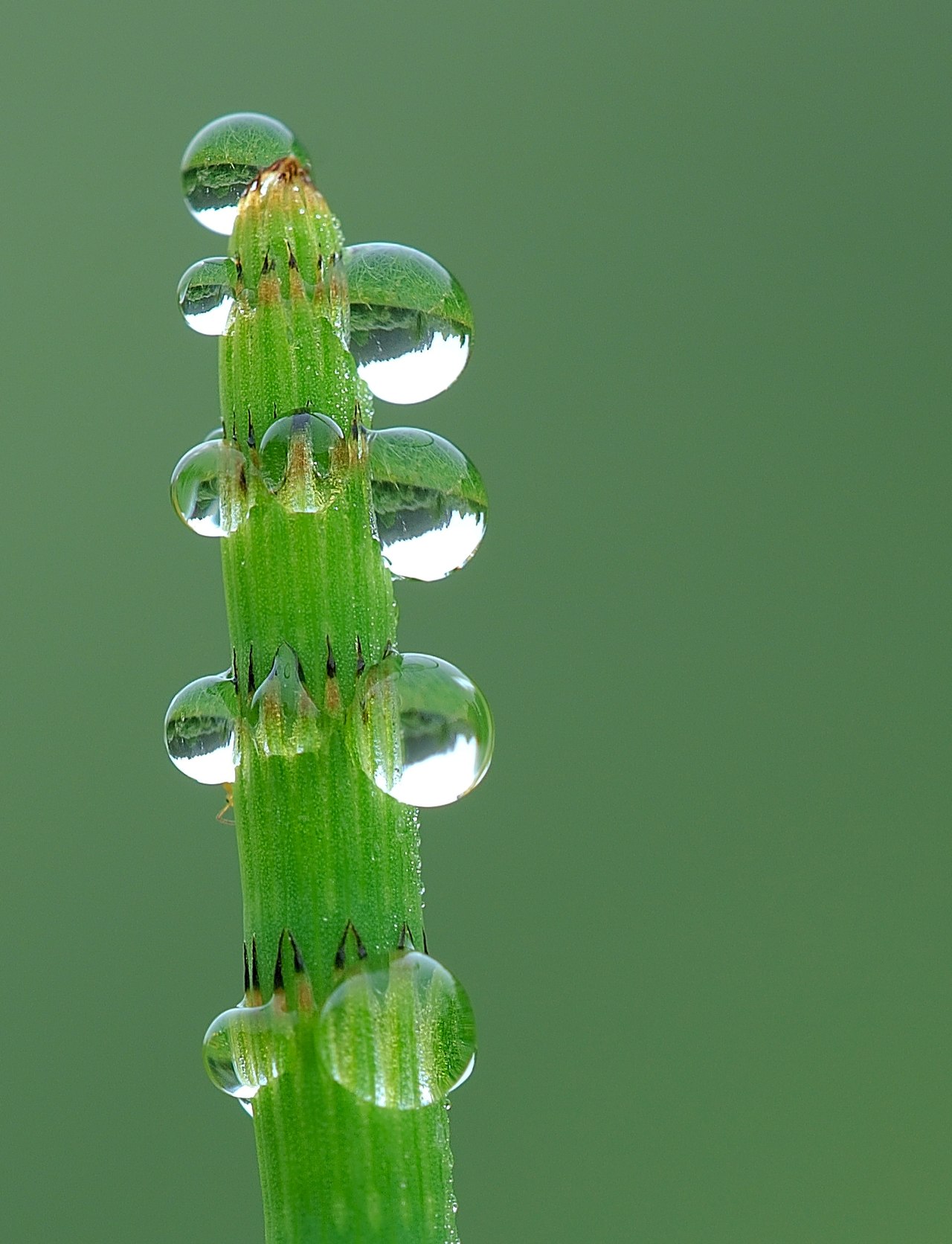
Dew is the film of liquid water that appears on exposed surfaces when those surfaces and the adjacent air cool enough for water vapor to condense. The process is a form of condensation and depends on humidity, temperature, and radiative cooling of objects near the ground. The temperature at which air becomes saturated and condensation begins is called the dew point, a key concept in understanding when and where dew will form. For a short definition and general explanation see condensation.
Image gallery
9 Images


How dew forms
During clear nights, surfaces such as grass, car roofs, and soil lose heat by radiating infrared energy into the sky. If they cool below the surrounding air's dew point, moisture from the air condenses into microscopic droplets on those surfaces. This condensation tends to occur on objects with low thermal conductivity and good sky view. When the dew point falls below the freezing point, liquid dew is replaced by frost or hoar frost rather than liquid droplets; for a plain contrast see frost.
Key factors and characteristics
- Relative humidity: higher humidity makes dew more likely because the dew point is closer to air temperature.
- Calm winds: still air reduces mixing and allows surfaces to cool more than they would under windy conditions.
- Clear skies: cloudless nights let more longwave radiation escape, increasing radiative cooling.
- Surface type: plants, leaves, and fabrics collect droplets more readily than conductive surfaces.
- Soil and local moisture: some research suggests that under particular conditions moisture can move from wet soil upward and contribute to surface wetness, though the atmosphere is generally the main source; see discussion at soil moisture contribution.
Related phenomena and examples
Dew is distinct from fog and from ordinary surface wetting by rain. Fog is airborne water droplets suspended in the air, while dew is deposited onto surfaces. Condensation can also occur on cooler items in warm, humid indoor spaces; for example, eyeglasses will fog when exhaled warm air meets a colder lens, a common everyday form of condensation documented at steamy eyeglasses. Industrial equipment can experience similar condensation issues or be designed to manage it; see typical industrial contexts at industrial condensation.
Uses, importance and practical notes
Dew can influence local ecology and microclimates. In arid regions some plants and insects rely on dew as a supplementary water source. Dew collection has been explored as a low-technology method to harvest freshwater where humidity and night cooling allow substantive yields. In agriculture, dew can increase leaf wetness and thus affect disease incidence, both beneficial and harmful depending on circumstances. Engineers and designers also consider dew formation when specifying materials, paints, and coatings for outdoor equipment to reduce corrosion and biological growth.
History, symbolism and cultural references
Dew appears in literature and religious texts as a symbol of blessing, renewal, or freshness. For instance, dew imagery occurs in the Old Testament and is discussed in many traditional commentaries; see a representative reference at Old Testament reference. Dew as metaphor and symbol is treated in broader cultural studies and spiritual texts, often linked to ideas expressed at symbolic meanings of dew. Specific scriptural phrases such as references to "the tender herb" and to showers on grass evoke dew imagery in ancient poetry; see related passages like tender herb, showers, and grass.
Understanding dew combines meteorology, physics, ecology and human concerns: it is a simple everyday phenomenon with ecological importance, practical impacts, and long-standing cultural resonance.
Related articles
Author
AlegsaOnline.com Dew: Formation, Characteristics, Uses and Cultural Significance Leandro Alegsa
URL: https://en.alegsaonline.com/art/26999
Sources
- factmonster.com : "dew — FactMonster.com"
- britannica.com : "dew (meteorology) -- Britannica Online Encyclopedia"