
Frost: formation, types, effects on plants and protection
Frost is ice deposited when water vapor freezes on cold surfaces. This article explains how frost forms, its main types, impacts on agriculture and practical ways to reduce damage.
Frost forms when water vapor in the air turns directly into ice on surfaces by deposition. The result is a thin, often white, crystalline coating that can look powdery, feathery or glassy depending on conditions. Frost requires clear skies, calm winds and surface temperatures at or below the freezing point of water; it is closely tied to local air temperature and the temperature of the surface that collects the ice.
Image gallery
10 Images
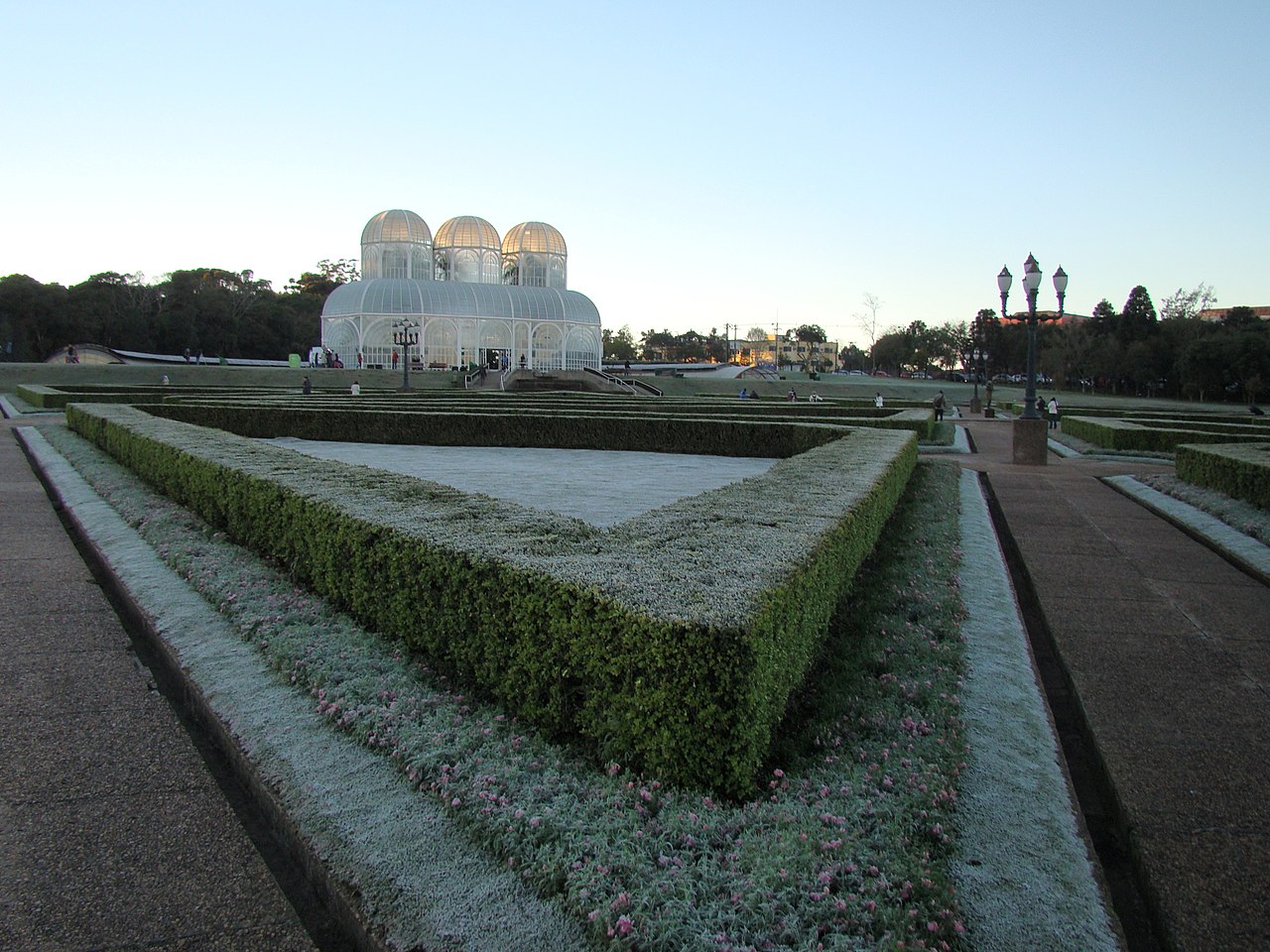


Types and characteristics
Several distinct forms of frost are commonly recognized. Hoar frost produces delicate, feathery crystals on vegetation and structures when humid air cools rapidly. Rime forms when supercooled water droplets freeze on contact and yields a denser, opaque coating. Black frost (often called radiation or killing frost) denotes very cold conditions that damage plants without obvious ice crystals. The appearance and thickness of frost depend on humidity, wind and how abruptly temperatures fall.
How frost forms
Formation is a physical process: as surfaces lose heat at night by radiation, their temperature can drop below the dew point and the freezing point. When the surface is colder than the surrounding air and moisture is present, vapor can deposit directly as ice rather than condensing as liquid dew. Calm, clear nights favor frost because clouds or wind reduce surface cooling. Low-lying areas, valleys and places called frost pockets are particularly prone to formation.
Impacts on plants and agriculture
Frost can injure or kill plant tissues by ice crystal formation inside cells, which ruptures membranes and disrupts water transport. Young shoots, buds and blossoms are most vulnerable, which is why spring frosts frequently damage fruit crops and ornamental plants. Severe or widespread events can destroy crops and reduce yields, with economic consequences for growers and communities.
Prevention and mitigation
Growers and gardeners use several measures to reduce frost damage. Cultural practices include selecting cold-tolerant varieties and site selection to avoid frost pockets. Active methods include wind machines and heaters that mix warmer air into the canopy, overhead irrigation that releases latent heat as water freezes, and temporary covers or mulches to insulate buds. Protected environments such as greenhouses and high tunnels allow more control over temperatures and humidity.
Notable distinctions and practical points
- Frost is deposition of ice from vapor; it is different from freezing rain, which is liquid that freezes on impact.
- Clear nights increase risk because radiative cooling lowers surface temperatures faster.
- Local weather forecasts and frost advisories help time protective measures; growers often monitor both air and surface temperatures.
For further technical details and regional guidance consult resources on frost formation and frost protection strategies (physics of deposition, temperature thresholds, visual identification and practical mitigation techniques linked above).
Related articles
Author
AlegsaOnline.com Frost: formation, types, effects on plants and protection Leandro Alegsa
URL: https://en.alegsaonline.com/art/36839