
Cultural heritage: definition, types, protection and contemporary issues
Cultural heritage includes tangible and intangible legacies—monuments, artifacts, languages, rituals—preserved across generations. It is protected through law, conservation, and international cooperation but faces modern threats.
Overview
Cultural heritage refers to the inherited resources—both physical objects and living traditions—created or passed down by earlier generations and valued by a community. This concept emphasizes continuity: items and practices are conserved in the present because they connect people to their past and help shape collective identity. For an authoritative starting point on definitions and policy, see international definitions.
Image gallery
5 Images
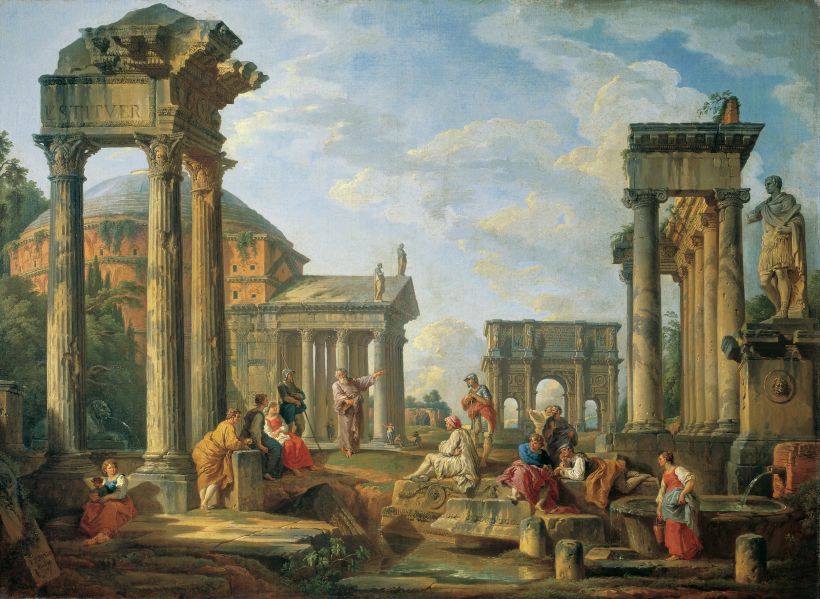



Types and examples
Heritage is commonly divided into categories that help managers and scholars decide how to care for different assets. Major classes include:
- Tangible heritage: built structures, archaeological sites, monuments, museum objects and landscapes (for example, historic town centers or ancient ruins).
- Intangible heritage: oral traditions, performing arts, social practices, rituals, festive events, and traditional craftsmanship.
- Movable versus immovable: portable artifacts such as manuscripts contrast with immovable features like temples or fortifications.
Concrete examples range from architectural ensembles and folk music to crafts techniques and communal ceremonies. For visual or catalog resources consult related repositories.
History and legal frameworks
The modern idea of actively protecting cultural heritage grew in the 19th and 20th centuries as nations created museums and preservation laws. International cooperation intensified after World War II. A landmark instrument for global protection is the UNESCO World Heritage Convention (1972), which established criteria and a listing process for sites of outstanding universal value. Many countries also maintain national registers, conservation statutes, and planning controls.
Protection, stewardship and management
Conservation combines preventive care, restoration, documentation and research. Effective stewardship often requires partnerships among governments, local communities, museums, scholars and private owners. Contemporary tools include condition monitoring, cataloguing, heritage impact assessment, and digitization for access and backup. Community engagement is especially important for safeguarding living traditions and ensuring that protections respect the rights and participation of those who inherit the practices. Further guidance and case studies can be found at policy and practice resources.
Challenges and significance
Cultural heritage faces many threats: armed conflict and looting, urban development pressures, environmental change and rising seas, mass tourism, illicit trade, and loss of traditional knowledge through globalization. At the same time, heritage contributes to education, sustainable tourism, social cohesion and economic development. Balancing access, conservation and community benefit is a central dilemma for practitioners. Recognizing both tangible and intangible elements helps preserve the full meaning of heritage for future generations.
Related articles
Author
AlegsaOnline.com Cultural heritage: definition, types, protection and contemporary issues Leandro Alegsa
URL: https://en.alegsaonline.com/art/24616