
Crow Nation (Apsáalooke)
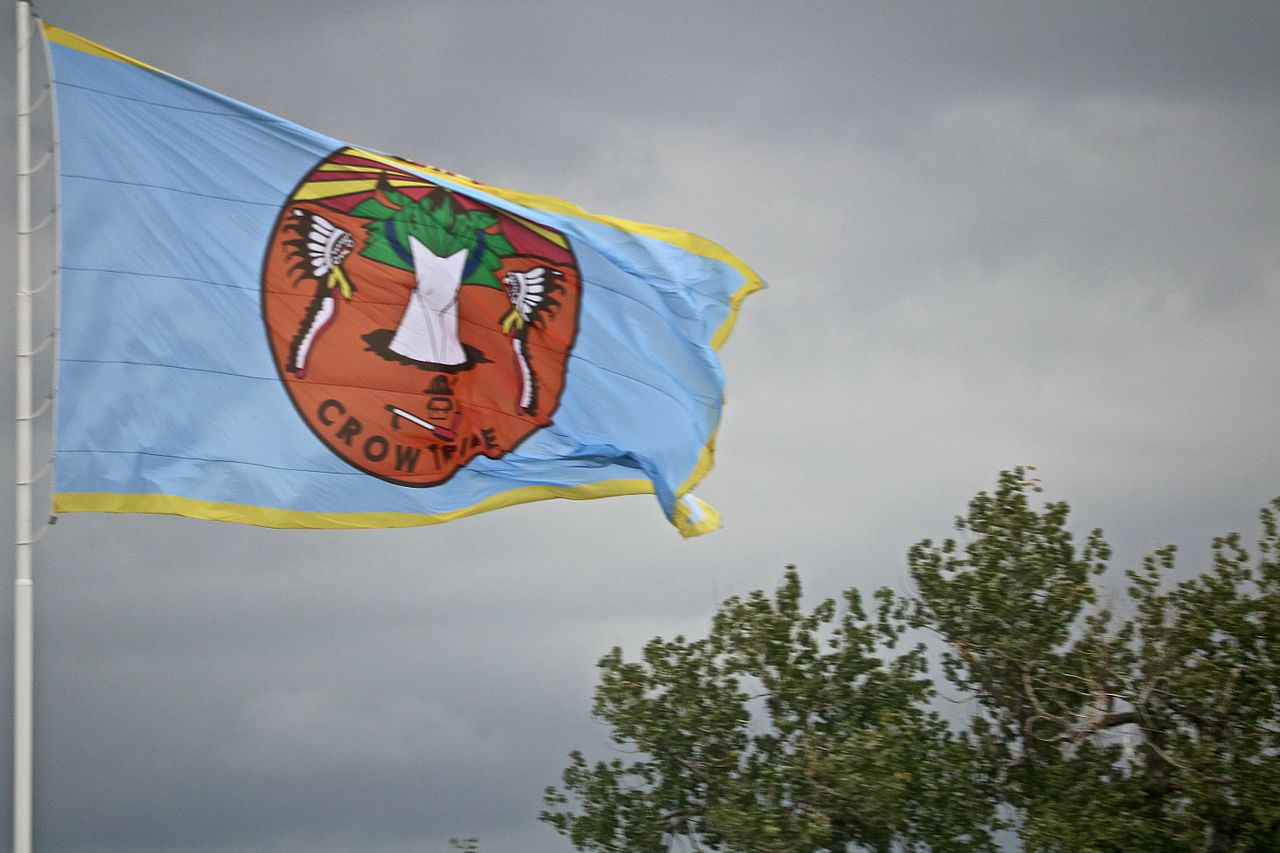
The Crow (Apsáalooke) are a Siouan-speaking Native American people historically centered on the Yellowstone River valley; today they are the federally recognized Crow Tribe of Montana with a reservation near Billings.
Overview
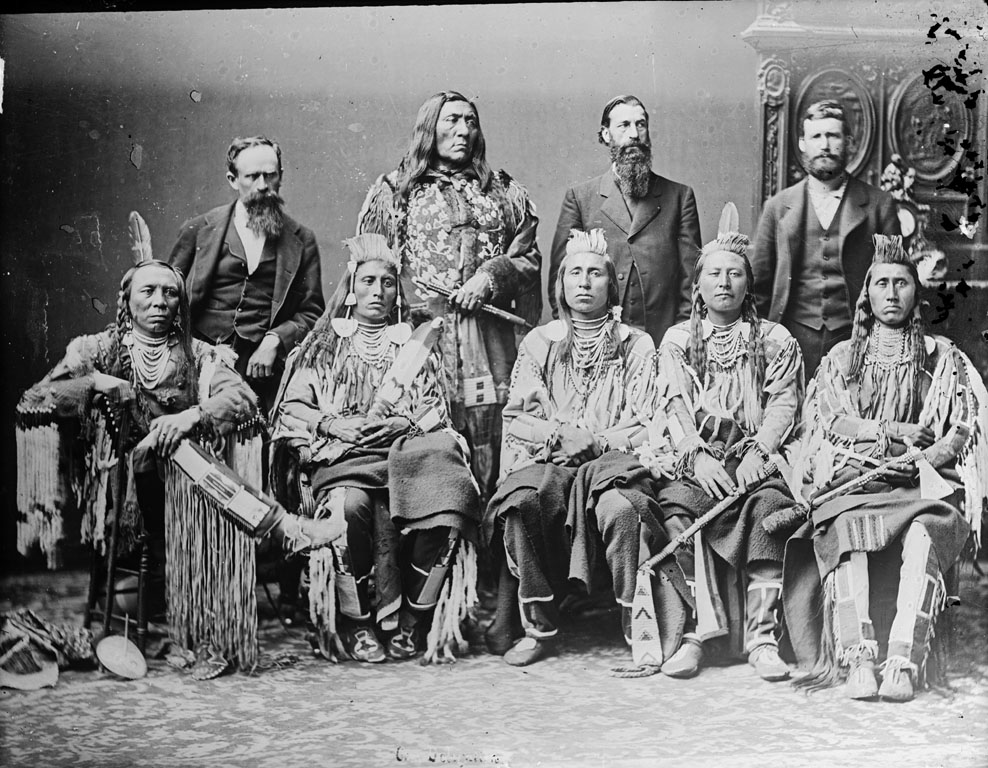
The Crow, who call themselves Apsáalooke (often rendered in English as Absaroka), are a Siouan-language people of the Northern Plains. They are one of the Indigenous nations of North America and are commonly identified as Native Americans. Historically the Crow lived and ranged along the Yellowstone River and its tributaries in what are now parts of Wyoming, Montana and North Dakota. The present federally recognized political entity is the Crow Tribe of Montana.
Image gallery
10 Images




History and territory
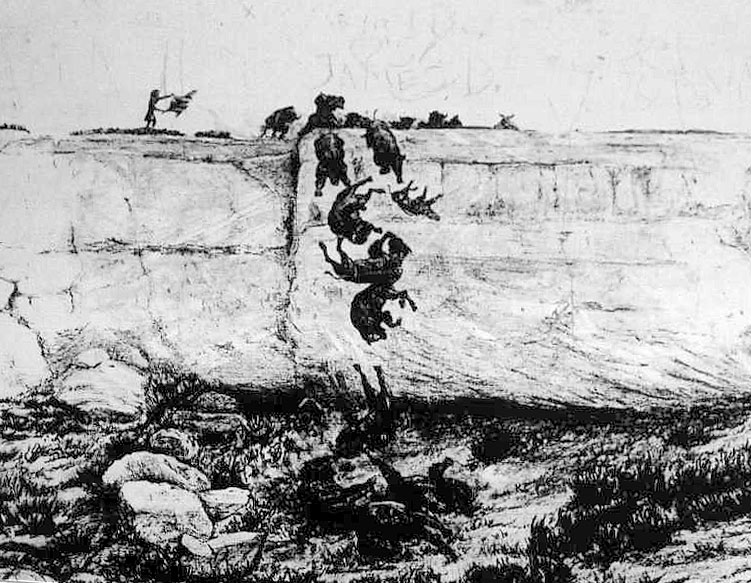
The Crow were traditionally semi-nomadic, combining bison hunting on the plains with seasonal movements into river valleys for resources and trade. Over centuries their territory and seasonal routes shifted because of pressure and conflict with neighboring nations, including the Ojibwe, the Cree, the Cheyenne and the Lakota (Sioux). The arrival of European and Euro-American traders, settlers and the U.S. military in the 18th and 19th centuries brought further disruption: treaties, land loss and confinement to a reservation altered the Crow way of life. Many Crow allied at times with the United States during Plains conflicts, a relationship that affected their post‑contact history.
Culture and society
Crow society historically centered on extended family bands, warrior societies and a rich ceremonial life. Horse culture became central after horses were adopted on the Plains; horsemanship, hunting, and visual arts were important markers of status. Artistic traditions include beadwork, quillwork and distinctive clothing and painted hides. Social and ceremonial events still play a key role in community life.
- Subsistence: bison hunting, trapping, gathering and later ranching and agriculture.
- Arts: beadwork, regalia, and musical traditions used in dances and ceremonies.
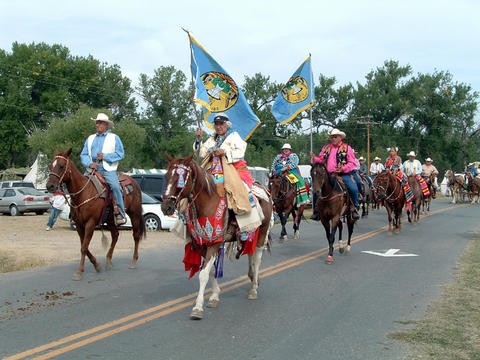
- Community events: annual gatherings such as the Crow Fair — a major cultural and social festival.
Reservation, government and contemporary life
Since the late 19th century most Crow people have lived on the Crow Indian Reservation in south-central Montana, with the tribal headquarters at Crow Agency. The reservation lies south of Billings and remains the center of tribal government, services and cultural life. Although tribal landholdings are much reduced from pre-contact ranges, the reservation covers a substantial area (often cited as about 9,300 km²) where many Crow maintain land-based practices alongside modern employment, education and civic institutions.
Language, education and contemporary issues
The Crow language belongs to the Siouan family and is the focus of revitalization programs in schools and community programs. Tribal government administers health, education and cultural initiatives while managing economic ventures. Like many Indigenous nations, the Crow face challenges such as economic development, preserving language and traditions, and addressing social and health needs — while also promoting cultural resilience and contemporary success.
Notable distinctions
The name Absaroka appears in regional geography (for example, mountain ranges and place names) reflecting the Crow presence in the northern Plains. The Crow Fair, sometimes called the "teepee capital of the world," attracts thousands to celebrate traditional dance, horsemanship and crafts each year. For further information on Crow history, governance and cultural programs see tribal and academic sources linked below.
More on Native American nations · Yellowstone River region · Wyoming context · Montana context · North Dakota context · Neighboring Indigenous nations · Billings and Crow Agency area
Questions and answers
Q: Who are the Crow?
A: The Crow are Native Americans who referred to themselves as Apsáalooke or Absaroka.
Q: Where did the Crow live in the past?
A: The Crow lived in the Yellowstone River valley, which is in Wyoming, Montana, and North Dakota.
Q: What is the current status of the Crow Tribe?
A: The Crow Tribe of Montana is federally recognized.
Q: Why have the Crow changed their territory many times?
A: The Crow have changed their territory many times because of conflicts with Ojibwe, Cree, Cheyennes, and Lakota (Sioux) peoples.
Q: How did the Crow interact with whites?
A: The Crow were generally friendly with the whites.
Q: Where do most Crow people live today?
A: Most Crow people live on their reservation that is south of Billings, Montana.
Q: What is the size of the land the Crow have lost?
A: The Crow have lost land, but still have over 9300 km2 of territory.
Related articles
Author
AlegsaOnline.com Crow Nation (Apsáalooke) Leandro Alegsa
URL: https://en.alegsaonline.com/art/24378