
Cree: Peoples, language, territory and contemporary life
Overview of the Cree (Néhiyaw), an Indigenous peoples of North America: language, traditional ways, historical movements, regional distribution and contemporary issues in Canada and the United States.
The Cree (self-name Néhiyaw; French name Cri) are a large Indigenous group in North America. They form one of the continent’s major First Nations cultures, with a broad geographic range and a number of distinct dialects. In Canada there are more than 350,000 people who identify as Cree or have Cree ancestry, with communities and cultural life concentrated across several provinces and territories. A smaller Cree population also lives in the United States, primarily at the Rocky Boy Reservation in Montana.
Image gallery
10 Images


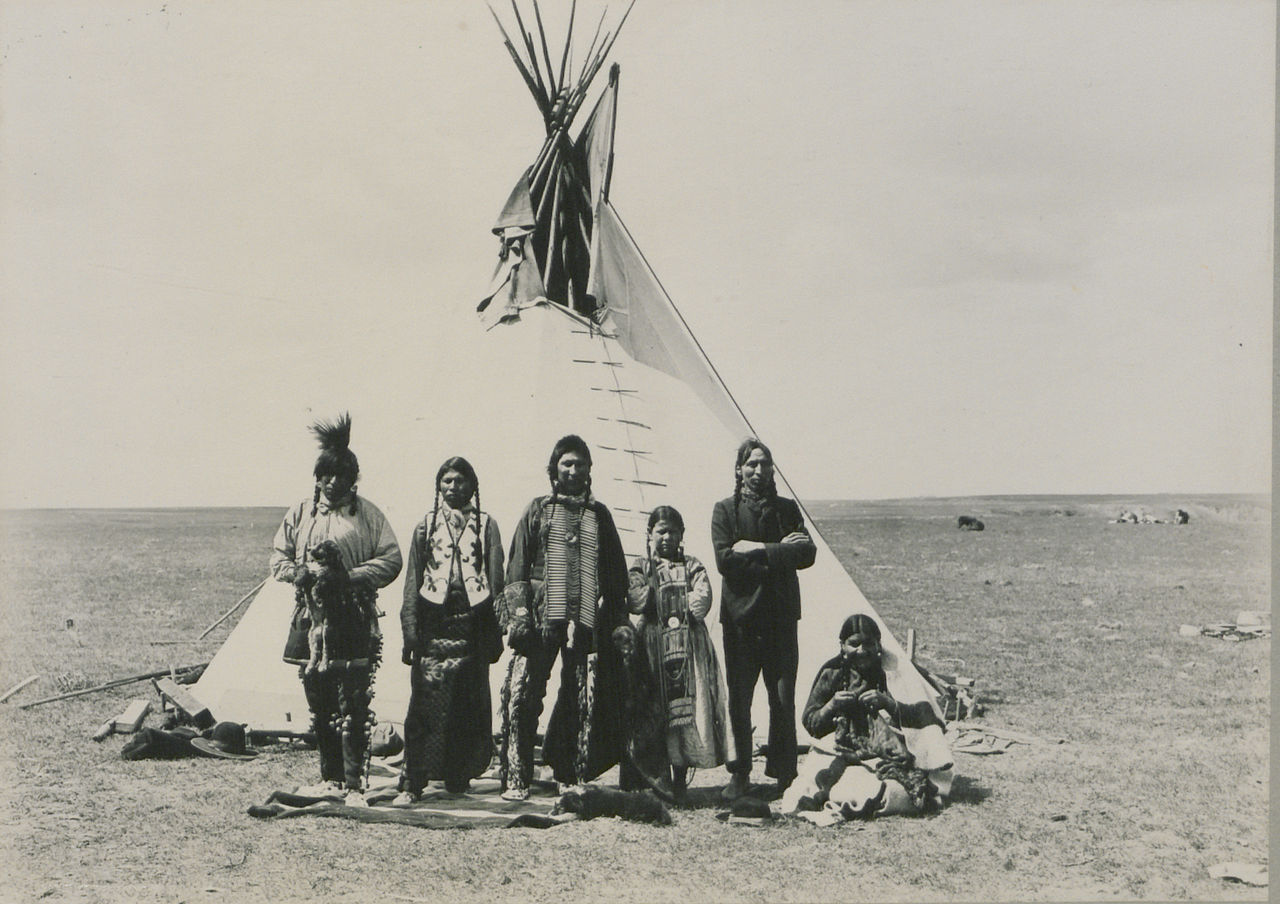


Language and social identity
The Cree language belongs to the Algonquian family and is best understood as a dialect continuum rather than a single uniform tongue. Varieties commonly recognized in English-language descriptions include Plains Cree, Woods Cree (also called Swampy Cree), and Eastern James Bay Cree; other related groups use dialects often called Moose Cree, Atikamekw, or Naskapi depending on region. Language, clan relationships, and place-based identities (river, forest or prairie communities) shape Cree social organization and cultural expression.
Traditional territory and historical movement
Historically the Cree occupied a vast territory stretching from the subarctic forests east and west, across the prairie edge, and into parts of what is now central Canada. Their traditional economy combined hunting, fishing, trapping and gathering. On the plains, access to buffalo and bison was important for those groups whose range extended into prairie country. Encounters with European traders and the fur trade beginning in the 17th and 18th centuries led many Cree bands to move westward and northward in pursuit of new trade opportunities; this pattern influenced shifting alliances and settlement sites over generations.
Regional distribution
Modern Cree populations live across much of Canada, with significant presence in:
- Ontario
- Manitoba
- Saskatchewan
- Alberta
- Northwest Territories
- and approximately 27,000 people in Quebec
In the United States, historical Cree presence was centered west of Lake Superior, and today many Cree live alongside other nations such as the Ojibwe at reservation communities like Rocky Boy in Montana.
Culture, economy and contemporary life
Cree cultures are diverse but share common practices of land-based livelihoods, seasonal rounds of harvest and hunting, and rich oral traditions including storytelling, songs and ceremonies. The fur trade reshaped some economic patterns and introduced new goods and relationships with Europeans and later Canadian institutions. Today Cree communities balance traditional activities with wage employment, education and political advocacy. Many communities work to revitalize language, protect lands and resources, and participate in treaty processes or modern agreements with provincial and federal governments.
Notable distinctions and contemporary issues
The Cree are notable for the large geographic extent of their traditional territories and for retaining strong regional identities within a shared cultural and linguistic family. Contemporary concerns include language preservation, land and resource rights, community health, and economic development. Cree artists, leaders and scholars contribute to broader Indigenous and national conversations about history, reconciliation and cultural continuity. For introductory resources and community profiles see provincial and national overviews and local band websites for specific communities and dialect groups.
Further reading and regional information can be found through general overviews of Canada and Indigenous peoples, along with resources specific to the provinces and regions listed above. For cultural comparisons and neighbouring nations see materials on Ojibwe relations and shared histories, and consult regional historical studies of the fur trade and migration west of Lake Superior.
Questions and answers
Q: Who are the Cree?
A: The Cree are one of the First Nations in North America and one of the largest groups.
Q: How many people in Canada are Cree or have Cree ancestors?
A: Over 350,000 people in Canada are Cree or have Cree ancestors.
Q: Where do most Cree in Canada live?
A: Most Cree in Canada live in Ontario, Manitoba, Saskatchewan, Alberta, and the Northwest Territories.
Q: How many Cree people live in Quebec?
A: About 27,000 Cree people live in Quebec.
Q: Where did Cree people live in the United States during their history?
A: Cree people lived west of Lake Superior during their history in the United States.
Q: Where do Cree people live mostly in Montana, in the United States?
A: Cree people live mostly in the Rocky Boy Indian Reservation in Montana, in the United States.
Q: What other group of people also live in the Rocky Boy Indian Reservation in Montana?
A: Ojibwe (Chippewa) people also live in the Rocky Boy Indian Reservation in Montana.
Related articles
Author
AlegsaOnline.com Cree: Peoples, language, territory and contemporary life Leandro Alegsa
URL: https://en.alegsaonline.com/art/24072
Sources
- crwflags.com : crwflags.com/fotw/flags/ca-fnat.html
- www12.statcan.gc.ca : "2016 Canadian Census"
- thecanadianencyclopedia.ca : "Cree"
- www12.statcan.gc.ca : "2016 Canada Census"
- civilization.ca : "Gateway to Aboriginal Heritage"
- gutenberg.org : gutenberg.org/ebooks/35658