
Cottage cheese: fresh curd cheese — varieties, production, uses and history
Cottage cheese is an unaged fresh cheese made from curds. This article explains its types, how it is made, common culinary uses, nutritional role and how it differs from similar cheeses.
Overview
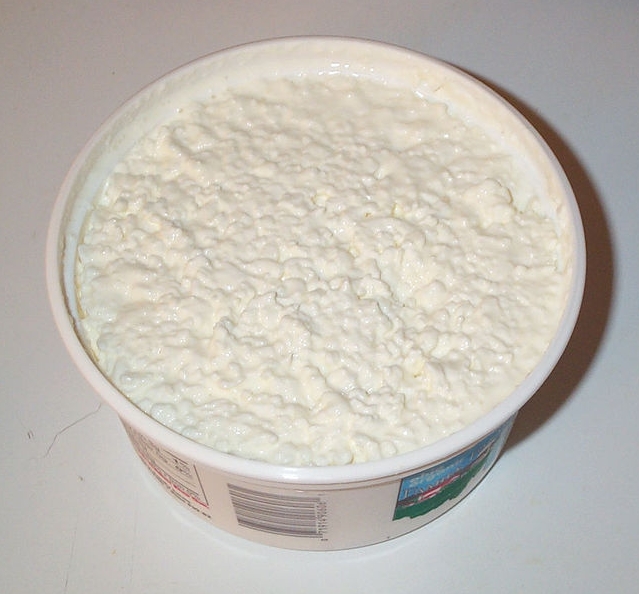
Cottage cheese is a fresh cheese produced from coagulated milk curds rather than from curdled whey. It is known for soft, separated curds and a mild, slightly tangy taste. As a fresh curd product, cottage cheese is normally sold with some liquid (whey or cream) mixed in and is not aged or ripened, which gives it a clean flavor and a short shelf life compared with aged cheeses. For a basic definition and product context see fresh cheese curd product.
Image gallery
6 Images



Characteristics and main types
The texture of cottage cheese is one of its defining features: curd size ranges from very small granules to larger, more distinct pieces. Two principal manufacturing approaches produce different curd textures and acidity levels. Small-curd varieties are typically produced without rennet and by using higher acidity; large-curd types often use rennet and tend to be lower in acid. Beyond curd size, cottage cheese is available as creamed (mixed with a dressing of cream), drained (less liquid), full-fat, low-fat and nonfat formulations, and may be plain or flavored.
Production process and nutritional role
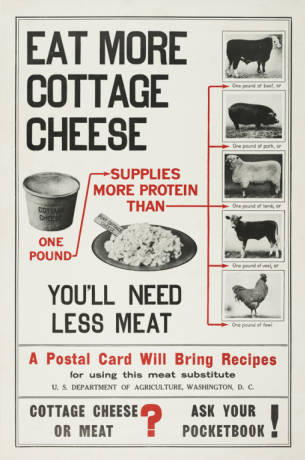
Production begins with pasteurized milk that is acidified and/or treated with rennet to separate curds from whey. Curds are cut, gently heated, and sometimes washed to remove excess lactose and adjust acidity before being salted and blended with cream or whey. Because it is primarily curd, cottage cheese retains a significant portion of the original milk proteins and is commonly valued for its relatively high protein content and moderate calorie density. Fat content varies by product. It is often used in diets and meal plans where a protein-rich, low-processed dairy is desired.
Common culinary uses
Cottage cheese is versatile in both sweet and savory preparations. Typical ways to enjoy it include:
- Served with fresh fruit or berries: fruit and a drizzle of honey or jam.
- Seasoned simply with salt and pepper for a savory snack or spread.
- Spread on toast or bagels as a lighter alternative to butter or cream cheese.
- Paired with sliced tomatoes or cucumbers in light lunches.
- Topped with granola and a sprinkle of cinnamon for a quick breakfast.
- Mixed into salads, used as a dip base or folded into grain bowls.
- Employed as a lower-fat substitute for mayonnaise or cream cheese in recipes—e.g., mayonnaise replacement in sandwiches or tuna salad.
- Added to desserts and molded salads where it can provide body and moisture, such as chilled fruit or gelatin-based dishes (desserts).
History and distinctions
The name "cottage cheese" appears in English-language sources in the early 19th century; records show usage of the term from around 1831. Historically it referred to fresh curds made at home—hence "cottage"—from leftover milk. Today it is both a home-style and industrial product. It is important to distinguish cottage cheese from cheeses made from whey (such as ricotta, which is produced from whey proteins) and from pressed fresh cheeses like paneer or farmer's cheese, which are denser and usually pressed to remove most whey. Cottage cheese remains popular because of its simplicity, adaptability in recipes and its nutritional profile, particularly as a convenient source of dairy protein.
Notable facts
Because it is unaged, cottage cheese should be kept refrigerated and consumed relatively quickly after opening. Texture and flavor can vary considerably with fat level, curd size and added dressings; consumers choose among varieties for spreadability, mouthfeel and culinary use. Specialty and artisanal producers may emphasize milk source, minimal processing or organic practices, while mass-market brands offer standardized varieties and flavored options.
Related articles
Author
AlegsaOnline.com Cottage cheese: fresh curd cheese — varieties, production, uses and history Leandro Alegsa
URL: https://en.alegsaonline.com/art/23365
Sources
- etymonline.com : "Definition of cottage"