
Cream (dairy product)
Cream is the high-fat layer of milk separated for cooking, whipping and dairy products. Types, history, culinary uses, and differences from milk, sour cream and butter are discussed.
Overview — Cream is the fatty portion of milk that rises or is separated from whole milk. It contains the majority of milk's fat and is used fresh, fermented or processed into other dairy products. In common speech cream may be called milkfat, butterfat, or butter fat. Simple distinctions are often made between cream and skimmed milk, which has most fat removed.
Image gallery
7 Images


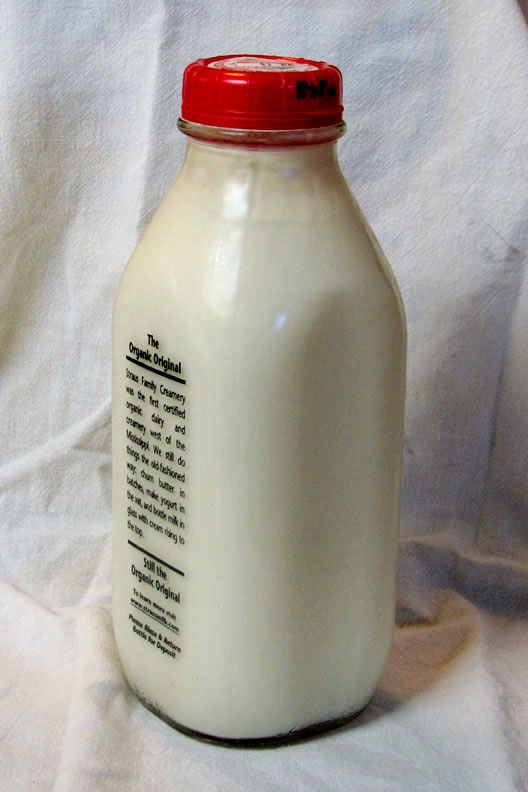
Composition and common types
Cream's composition varies by product and region. Light creams contain less fat and are pourable; heavier creams contain more fat and can be whipped or churned into butter. Industrial processes such as centrifugation speed separation and allow consistent fat levels. Natural cream also carries water, proteins, lactose and fat-soluble vitamins.
- Half-and-half / light cream — lower fat for coffee and pouring.
- Whipping or heavy cream — higher fat suitable for whipping and enriching sauces.
- Double or clotted cream — very rich styles used as spreads or desserts.
History and production
Humans have separated and used cream for millennia by letting milk stand and skimming the top or by turning it into butter. With industrialization, mechanical separators and refrigeration transformed dairy production, increasing yield and safety. Fermented cream products such as crème fraîche and sour cream evolved in different culinary traditions to preserve and diversify flavor.
Culinary uses and examples
Cream is versatile in kitchens worldwide: it lightens coffee and tea, gives body to soups and sauces, and is a base for ice cream and custards. It is often an ingredient in European sauces such as an American-style Alfredo sauce and a standard addition to coffee and desserts. In beverages, many people add cream to coffee to soften bitterness and increase mouthfeel.
Related products and distinctions
Several dairy items are derived from or related to cream: butter is made by churning cream, while sour cream and crème fraîche result from controlled fermentation. Cream differs from regular milk primarily by fat concentration; related labeling such as milk fat refers to the same component in analytical and regulatory contexts.
Storage and nutrition — Cream is calorie-dense because of its fat content and should be refrigerated. Some creams are pasteurized or ultra‑pasteurized to extend shelf life; others are sold cultured. People with lactose intolerance or dairy allergies should use caution, since cream still contains lactose and milk proteins despite its high fat content.
Related articles
Author
AlegsaOnline.com Cream (dairy product) Leandro Alegsa
URL: https://en.alegsaonline.com/art/24044