
Cracker Jack: History, Composition, and Cultural Significance
Cracker Jack is a classic American snack of molasses‑coated popcorn and peanuts sold with a small prize. This article summarizes its ingredients, origins, cultural role, marketing and legacy.
Overview
Cracker Jack is an American snack product made from popcorn coated in a sweet, molasses‑style candy and mixed with roasted peanuts. It is widely known for being sold with a small novelty prize or promotional insert inside each package. The combination of sweet, crunchy coated popcorn and salty nuts, together with the novelty of a tiny trinket, has kept the product recognizable in U.S. culture for more than a century.
Image gallery
5 Images



Ingredients and production
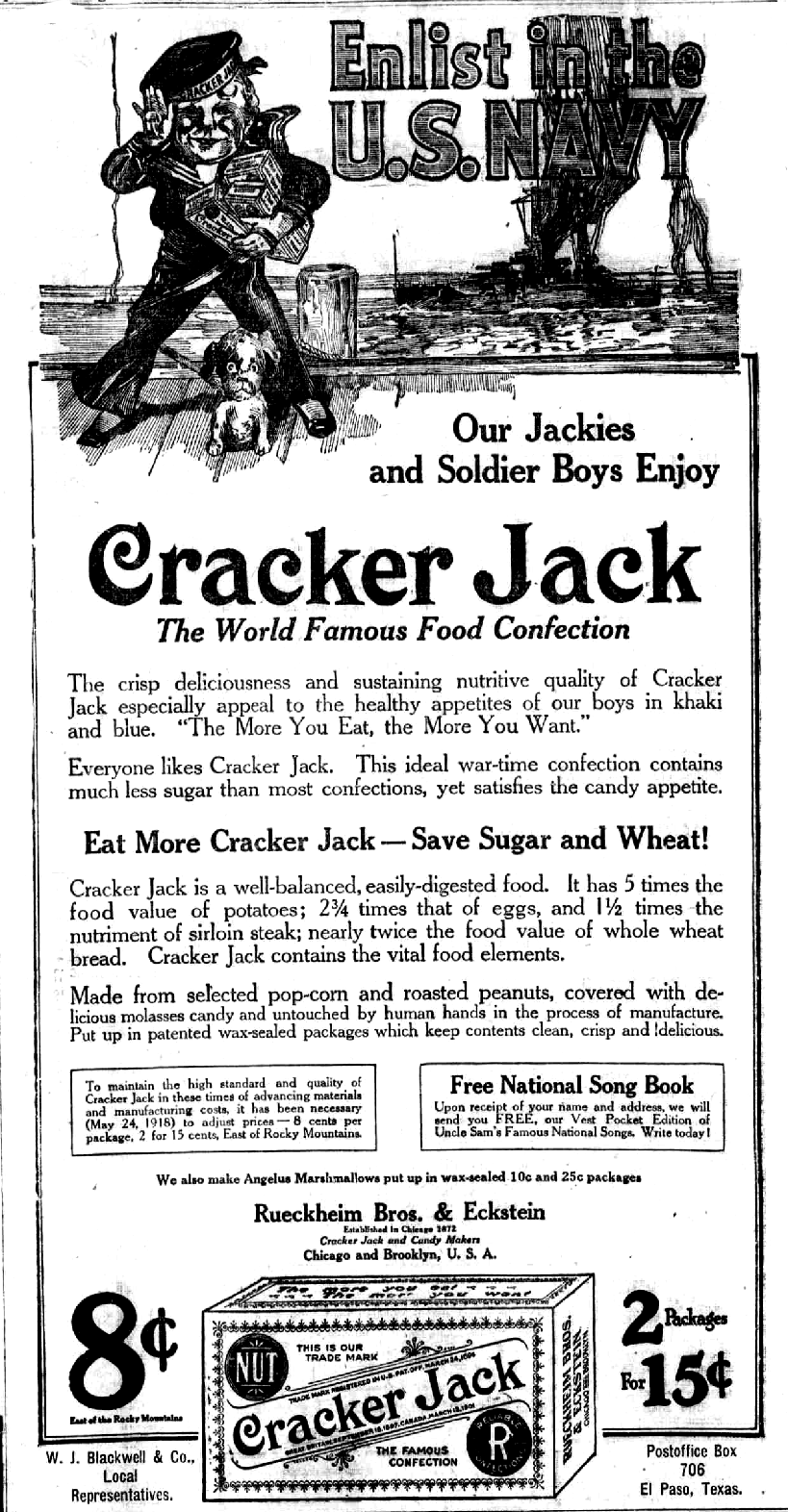
The basic elements are popcorn, peanuts and a sugar‑based glaze often described as molasses‑flavored. Historically the glaze gave the snack its characteristic crunchy shell; modern formulations may use varied sweeteners or processing methods while preserving the familiar texture. Because peanuts are a primary ingredient, the product is a common allergen and labelled accordingly. Industrial production uses mechanized popping, coating and packaging to ensure consistent texture and food safety.
Prizes, promotion and packaging
One of the defining features of Cracker Jack is the inclusion of a prize. Early prizes were small metal charms and novelties; over time they became paper games, stickers, temporary tattoos or codes for digital content. The prizes functioned as a promotional incentive and are often cited as an early example of a marketing insert designed to encourage repeat purchases.
Origins and early history
An early version of the snack appeared at the 1893 Chicago World's Columbian Exposition. The branded product was developed in the 1890s in Chicago, and the name came from the exclamation "crackerjack," a slang term meaning excellent or first rate. The product established itself in the marketplace in the late 19th and early 20th centuries and became widely distributed across the United States.
Cultural significance
- Cracker Jack is strongly associated with American leisure traditions, notably baseball and stadium concessions; it figures in popular songs and nostalgia about early ballpark experiences.
- The product is frequently discussed in studies of the rise of branded, mass‑market snack foods and is sometimes cited as an example of early junk food culture.
- Its ingredients link to broader food histories: discussions of molasses, candy‑coated popcorn and peanuts touch on agricultural, culinary and industrial trends in the United States.
Nutrition, criticism and regulation
As a sweetened snack, Cracker Jack has been critiqued in the same terms as other sugary, processed foods: concerns focus on sugar content, calorie density and marketing to children. Over time manufacturers have adapted labels and packaging to comply with evolving food‑safety and nutrition regulations; ingredients and portion sizes may change to reflect regulatory and market pressures.
Variations, collectibility and legacy
The prize component has created a niche hobby of collecting early inserts and small novelties. The product has seen limited‑edition packaging and tie‑ins with cultural events. While specific recipe details, ownership and distribution have changed through the decades, the basic idea—a sweet, crunchy popcorn‑and‑peanut snack sold with a small prize—remains its defining legacy.
Further reading
For background on the ingredients and social context of snack foods, consult sources on molasses, the history of popcorn preparation, peanut agriculture and the development of promotional marketing in food packaging. Articles on the cultural history of American leisure and baseball will also place the product in a broader social frame.
Related articles
Author
AlegsaOnline.com Cracker Jack: History, Composition, and Cultural Significance Leandro Alegsa
URL: https://en.alegsaonline.com/art/23912
Sources
- nytimes.com : full text