
Mayonnaise: composition, history, culinary uses and safety
Mayonnaise is a thick oil-and-egg emulsion used worldwide as a condiment, ingredient and base for many sauces. This article covers its makeup, preparation, history, common uses and safety notes.
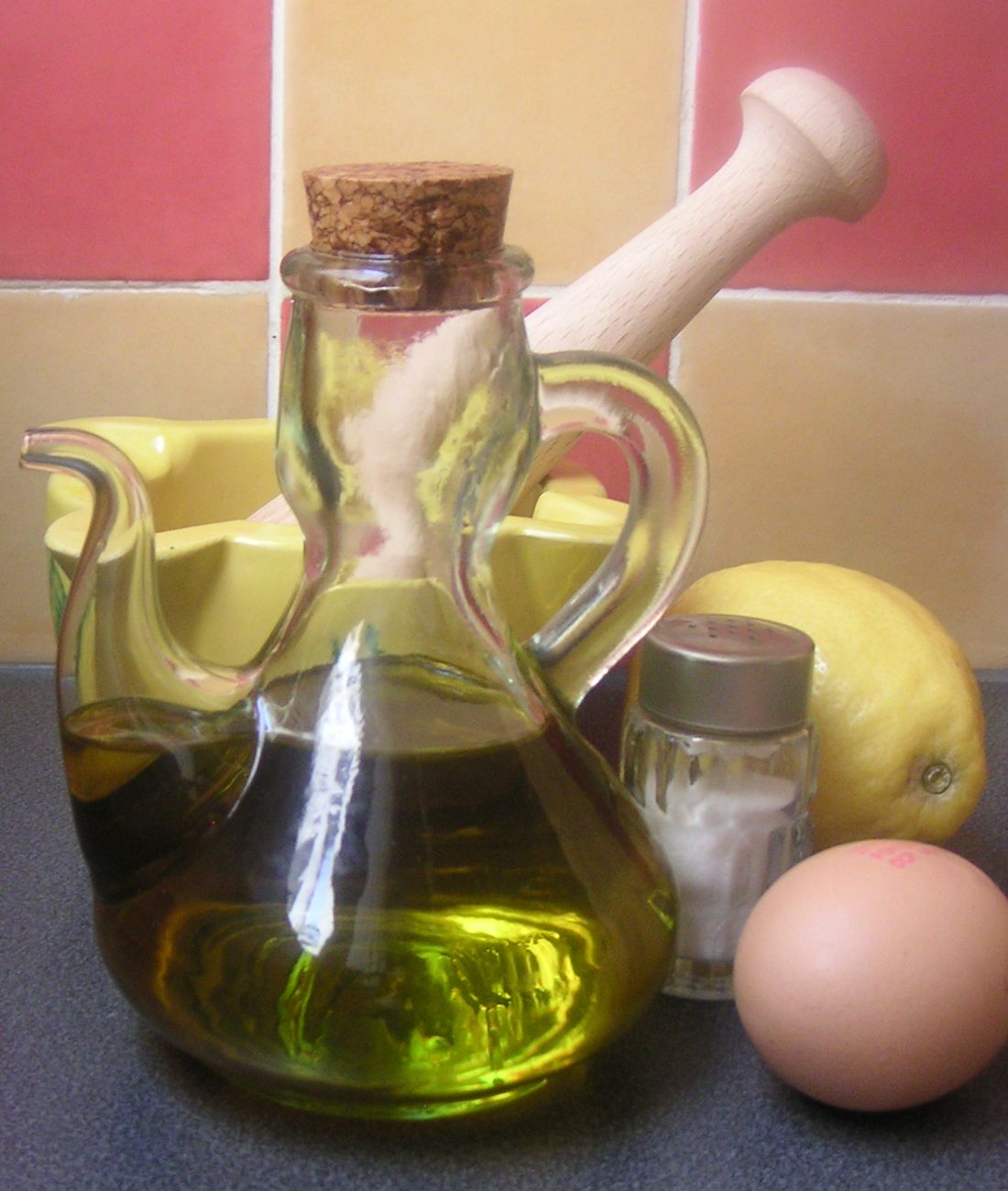
Mayonnaise is a creamy, thick sauce and an emulsion created by dispersing oil into egg yolk with an acidic component. Typical recipes combine a neutral vegetable oil with raw egg yolk and either lemon juice or vinegar to control flavor and stability. The final product is valued for its smooth texture and ability to bind ingredients in many preparations.
Image gallery
7 Images


Composition and preparation
Mayonnaise is an oil-in-water emulsion: tiny oil droplets are suspended in an aqueous phase by emulsifiers present in egg yolk (notably lecithin) and by vigorous whisking or mechanical blending. Acid from lemon or vinegar helps flavor and stabilizes the emulsion. Variations use different oils, added seasonings, or pasteurized eggs to alter taste and safety.
Chemistry and characteristics
The characteristic thickness comes from the high proportion of oil and the network formed by emulsified droplets. Commercial products often include stabilizers and preservatives to control separation, texture and shelf life. Homemade mayonnaise tends to be softer and more fragile than factory-made preparations.
History and development
The exact origin is debated: similar emulsified sauces appear in European cuisines for centuries. The modern, egg‑based mayonnaise became common in Western cooking by the 19th century and has since been adapted into regional variants and flavored spreads.
Uses, variants and examples
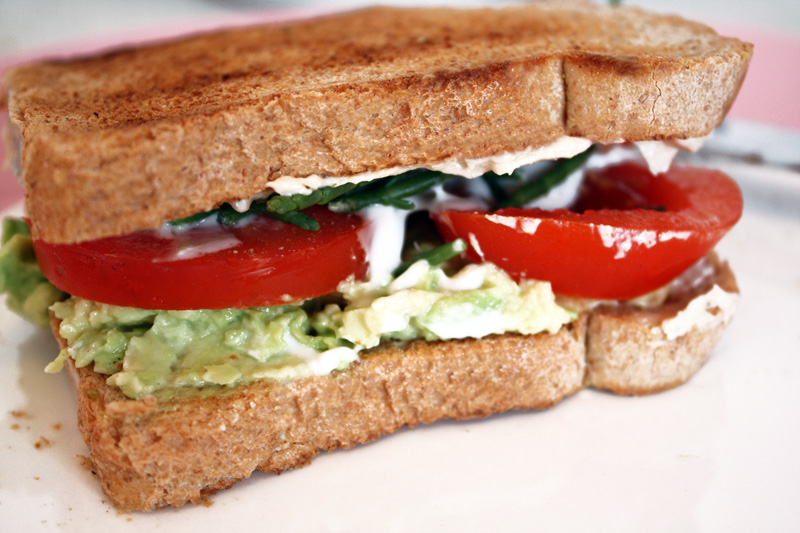
- As a condiment on sandwiches and wraps.
- Mixed into dressings for salads, coleslaws and potato salads.
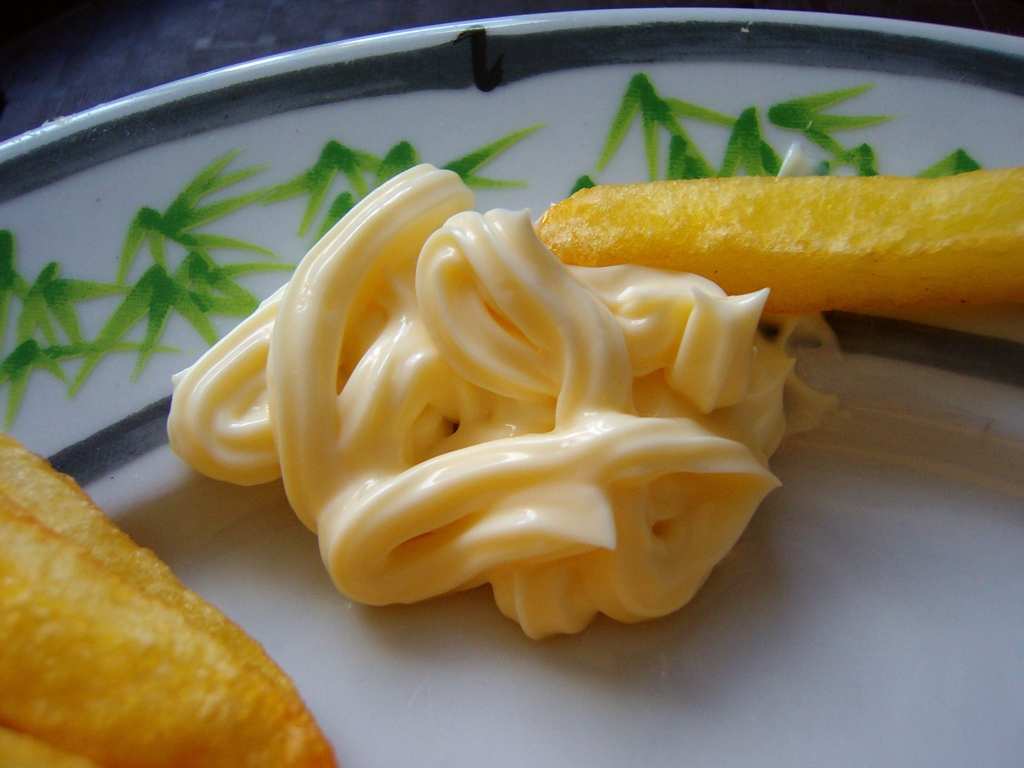
- Served alongside or dipped with french fries and fried foods.
- Used as a base for flavored sauces (for example, aioli, tartar sauce or flavored spreads).
Safety, storage and notable distinctions
Because traditional recipes use raw egg yolk, refrigeration and hygiene are important. Commercial mayonnaise is often made with pasteurized eggs and acid levels that limit bacterial growth; homemade versions should be kept chilled and consumed within a few days. Distinctions between mayonnaise, salad dressings and aioli are often culinary rather than strictly defined, and many modern products blur these lines.
Further reading and ingredient details can be found through specialized culinary resources and food-safety guidelines. See sources on emulsion science and condiment history for deeper context.
Related articles
Author
AlegsaOnline.com Mayonnaise: composition, history, culinary uses and safety Leandro Alegsa
URL: https://en.alegsaonline.com/art/63130