
Constipation: causes, symptoms, stool types, treatment and prevention
Comprehensive overview of constipation: definition, common causes, stool types, diagnosis, management, prevention, complications, and when to seek medical care.
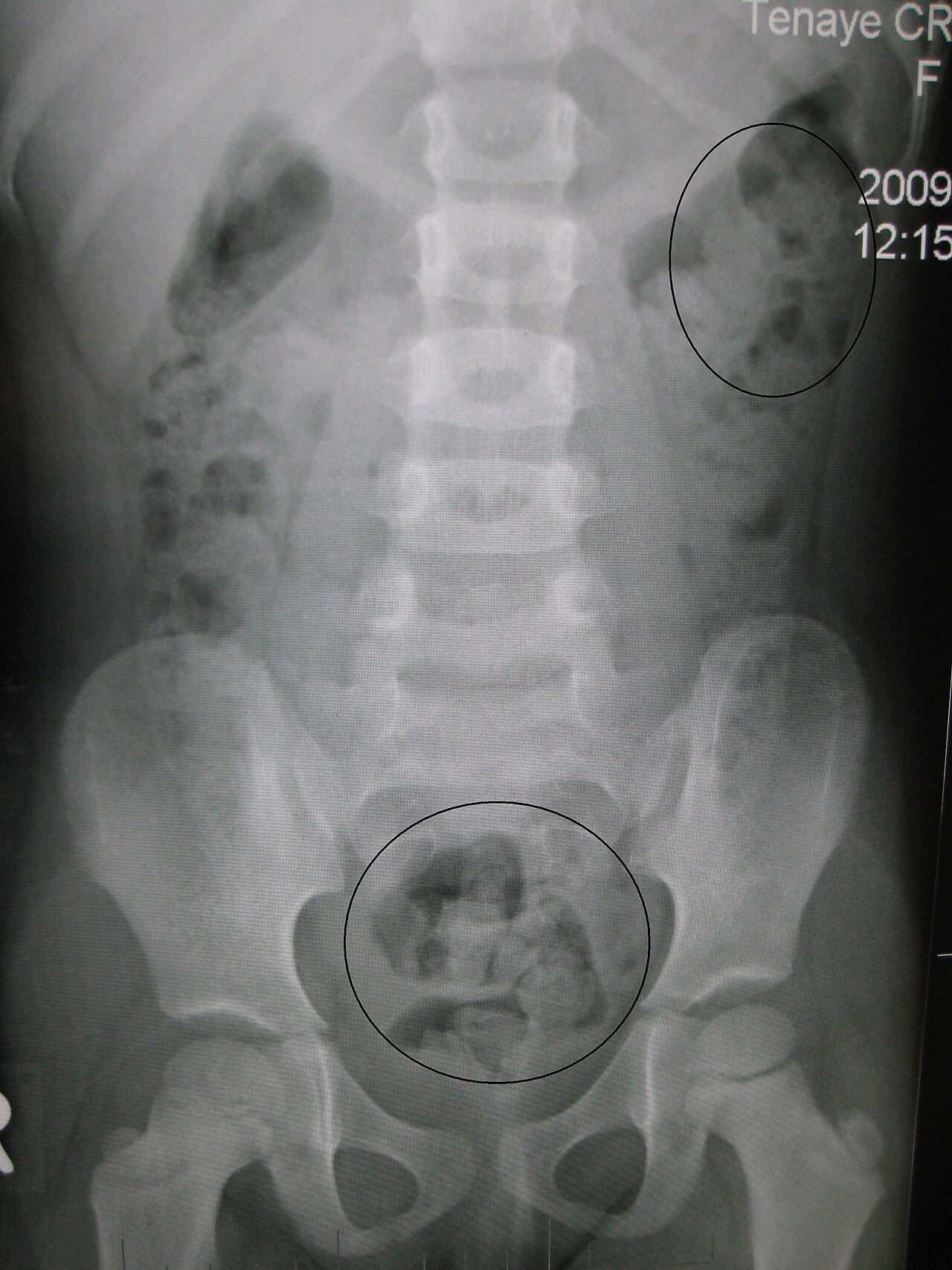
Constipation is a common condition in which bowel movements are infrequent, stools are hard or difficult to pass, or there is a sensation of incomplete evacuation. Clinically, constipation is often described when bowel movements occur fewer than three times per week, or when a person's normal pattern is significantly altered. The condition ranges from an occasional short-lived problem to chronic constipation that affects quality of life. For a basic definition and further reading, see constipation overview and background on stool and digestion at feces and digestion.
Image gallery
4 Images


Causes and risk factors
Multiple factors can cause or contribute to constipation. Common lifestyle contributors include a diet low in fiber, inadequate fluid intake, and lack of physical activity. Certain foods may slow intestinal transit for some people; for example, high intakes of dairy or very low-fiber diets are frequently implicated. See dietary considerations at dietary causes and notes on cow's milk at cow's milk and digestion.
Medications are another common cause: opioids, some iron supplements, anticholinergic drugs, certain antacids and other agents may reduce bowel motility. Medical conditions such as hypothyroidism, diabetes, neurological disorders, and pelvic floor dysfunction can impair normal bowel function. Structural problems including strictures, tumors, or an obstruction in the intestines are less common but important causes to consider; see structural issues at bowel obstruction.
How constipation develops
Normal stool passes as a result of coordinated muscle contractions in the colon and rectum plus relaxation of the pelvic floor. When transit is slow, the colon absorbs more water from the stool, producing harder, drier feces that are more difficult to pass. Pelvic floor dysfunction or inability to relax the muscles used for defecation can also lead to chronic difficulty even when stool consistency is reasonably soft.
Symptoms and stool types
Symptoms commonly include infrequent bowel movements, straining, hard or lumpy stools, a feeling of incomplete evacuation, and abdominal bloating or discomfort. Clinicians often describe stool form using the Bristol Stool Chart, which classifies seven types:
- Type 1: Separate hard lumps, like nuts (difficult to pass)
- Type 2: Sausage-shaped but lumpy
- Type 3: Like a sausage with cracks on the surface
- Type 4: Like a smooth, soft sausage or snake (considered ideal)
- Type 5: Soft blobs with clear edges
- Type 6: Fluffy pieces with ragged edges, mushy
- Type 7: Watery, entirely liquid
Types 1 and 2 are typically associated with constipation, types 3 and 4 with normal transit, and types 5–7 with looser stools or diarrhoea. For visual guides and patient resources see stool chart resources.
Diagnosis
Diagnosis begins with a focused history and physical examination. Important details include bowel movement frequency and consistency, use of medications, diet, fluid intake, exercise, and any alarm features such as blood in the stool, unexplained weight loss, or family history of bowel disease. A rectal examination may detect impacted stool, masses, or signs of pelvic floor dysfunction. Further tests (blood tests, imaging, colonoscopy, anorectal manometry or transit studies) are reserved for persistent, severe, or unexplained cases; clinical diagnostic guidance is available at diagnostic guidance and testing pathways at investigations and testing.
Treatment and management
Initial treatment targets reversible factors. Conservative measures often restore normal bowel function and include increasing dietary fiber, improving fluid intake, and establishing regular toilet habits with an appropriate posture. Physical activity can also support regular bowel movements. Practical advice and lifestyle measures are described at lifestyle measures.
When lifestyle measures are insufficient, over-the-counter options include:
- Bulk-forming agents (psyllium and other fibers) that increase stool bulk and softness
- Osmotic laxatives (polyethylene glycol, lactulose) that draw water into the bowel
- Stool softeners (docusate) to ease passage
- Stimulant laxatives (bisacodyl, senna) for short-term use when other measures fail
Prescription medications, biofeedback therapy for pelvic floor dysfunction, and, rarely, surgical options are considered for refractory cases. Guidance on medications and their appropriate use can be found at medication options and clinical management resources at clinical resources.
Prevention
Preventive strategies focus on consistent habits: consume a balanced diet with adequate fiber from whole grains, fruits and vegetables; drink sufficient fluids; maintain regular physical activity; and respond promptly to the urge to defecate. Specific high-fiber fruits such as prunes (dried plums) are known to help some people; see natural approaches at natural remedies and foods. Avoid long-term reliance on stimulant laxatives without medical advice.
Special populations and considerations
Children, older adults, and pregnant people may have particular causes and management needs. In infants and young children, dietary changes and toilet training can be important; excessive cow's milk intake can sometimes contribute. Older adults may have slower colonic transit, multiple medications, or mobility limitations that increase risk. Pregnancy-related constipation is common due to hormonal effects and uterine pressure on the bowel; safe treatment options should be discussed with a clinician.
Complications and when to seek care
Most constipation is uncomplicated, but chronic or severe constipation can cause haemorrhoids, anal fissures, rectal prolapse, or fecal impaction. Seek urgent care if you have severe abdominal pain, vomiting, fever, persistent bleeding from the rectum, or sudden, unexplained changes in bowel habits. If conservative measures and over-the-counter treatments fail, consult a healthcare professional for further evaluation and individualized management.
This article provides an overview and is not a substitute for professional medical advice. For detailed guidelines and individualized care, consult a healthcare provider or authoritative clinical resources linked above.
Related articles
Author
AlegsaOnline.com Constipation: causes, symptoms, stool types, treatment and prevention Leandro Alegsa
URL: https://en.alegsaonline.com/art/22654