
Feces (stool): composition, appearance, uses, and health relevance
Solid waste from the digestive tract. Covers composition, appearance and measurement, practical uses (fertilizer, fuel, research), medical significance, and cultural aspects.
Overview
Feces (also spelled faeces and commonly called stool or poo) are the solid or semisolid remains of food that an animal or person cannot digest. They are produced in the digestive tract and exit the body through the body's elimination opening after digestion of food. In humans, feces pass from the intestines and are expelled through the anus. Typical feces have an odor that many people find unpleasant; the smell is influenced by bacterial activity and chemical byproducts in the waste (odor).
Image gallery
9 Images



Composition and characteristics
Most feces consist mainly of water, bacterial biomass, undigested food residues, sloughed intestinal cells, and small amounts of inorganic material. Water content usually exceeds half of the total mass in healthy adults. Physically, feces vary in color, consistency and smell depending on diet, hydration, transit time through the gut, and the intestinal microbiome.
- Color: ranges from shades such as dark green to various browns (most commonly brown) and in some circumstances to bright yellow. Certain foods, medications, or medical conditions (for example diarrhea) can change color.
- Consistency: spans from hard, pellet-like pieces to loose liquid. Clinicians often describe stool consistency using standardized tools.
Measurement and medical relevance
Medical practitioners use the Bristol stool scale to classify stool into seven types that reflect transit time and water content; the scale helps assess constipation, diarrhea and other gastrointestinal conditions. Analysis of feces can detect infections, blood, fat malabsorption, inflammatory markers, and DNA from pathogens or the host. Routine examination of stool is a noninvasive diagnostic tool in both human and veterinary medicine.
Practical uses and ecological importance
Although often regarded as waste, feces serve several ecological and practical roles. Wild animal droppings provide nutrients and seeds to ecosystems and are a data source for wildlife biologists tracking populations and diets (animal studies). In agriculture, properly treated manure and human-derived sludge can be converted into fertilizers to enrich soils. In some regions and historical contexts, dried dung is also used as a fuel for heating and cooking.
Cultural, historical and linguistic notes
Words for feces range from clinical terms to slang and vulgarities; common colloquial expressions include "shit", "poop" and "crap." Attitudes toward feces are shaped by hygiene, sanitation infrastructure and cultural norms. The topic appears in literature and education—several children's books teach toileting and bodily functions (for example some widely used books aimed at children), and creative works sometimes employ scatological themes. An often-cited example in modern children's literature is the picture book Everyone Poops by Tarō Gomi, who is from Japan.
Distinctions and notable facts
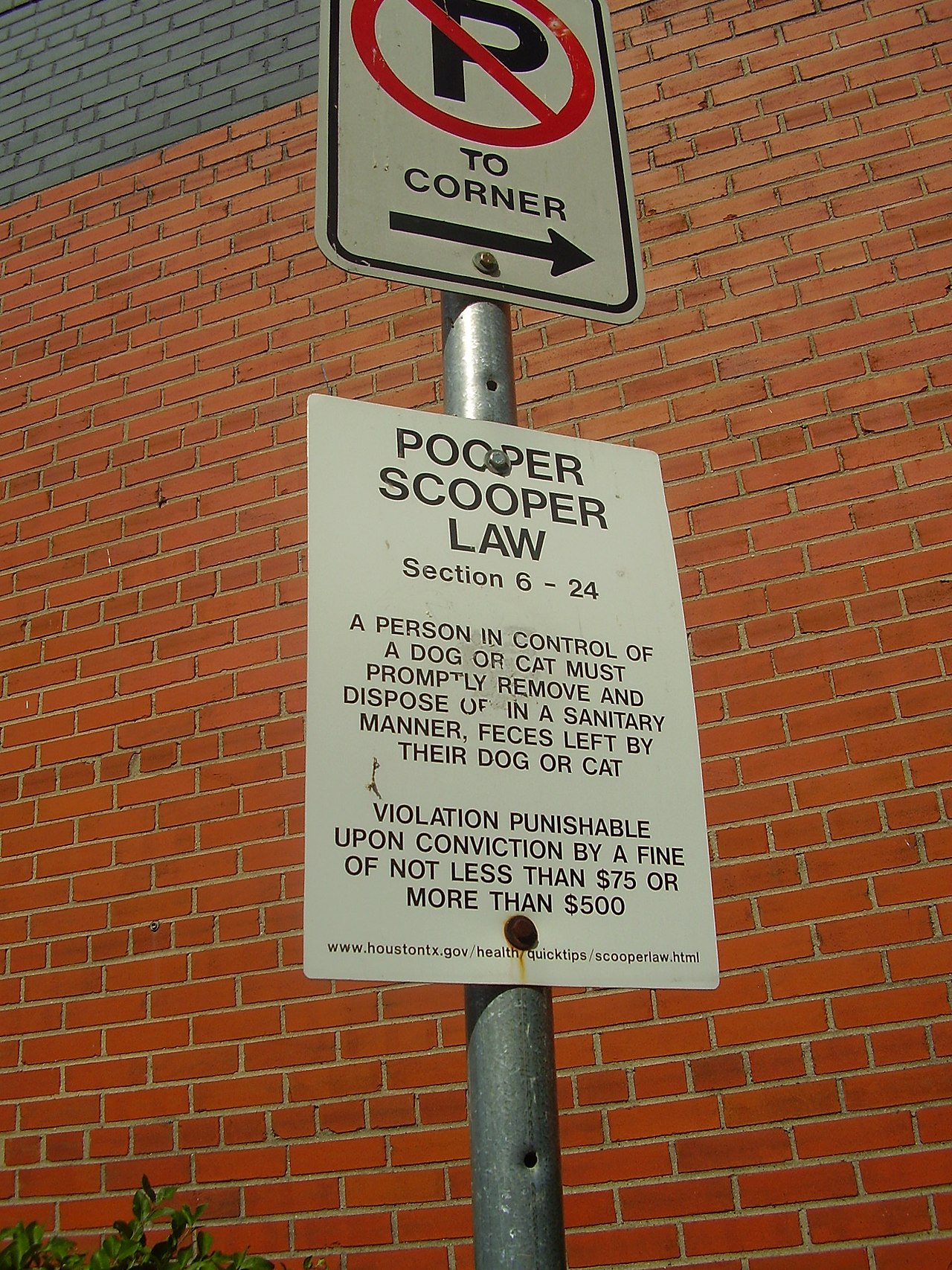
Feces are distinct from urine, which is a liquid waste filtered by the kidneys. Fossilized feces, known as coprolites, provide paleontologists with information about ancient diets. In public health, safe management of human feces—through sanitation, sewage treatment and hygienic disposal—remains a critical factor in preventing disease transmission and protecting water supplies.
Related articles
Author
AlegsaOnline.com Feces (stool): composition, appearance, uses, and health relevance Leandro Alegsa
URL: https://en.alegsaonline.com/art/33820
Sources
- news.mongabay.com : "Saving tigers by counting feces"
- ecosanres.org : ecosanres.org/pdf_files/Ecological_Sanitation.pdf