
Coronary artery disease: causes, symptoms, diagnosis and prevention
An accessible overview of coronary artery disease, its causes and progression, common symptoms and diagnostic tests, treatment options, prevention strategies, and notable distinctions.
Overview
Coronary artery disease (CAD), also called coronary heart disease, is a condition in which the blood vessels that supply the heart muscle become narrowed or blocked. The coronary arteries deliver oxygenated blood and nutrients vital for normal heart function; when their inner walls accumulate fatty deposits (atherosclerotic plaque) the flow of blood is reduced. Reduced blood flow can impair the heart’s ability to pump efficiently and may lead to chest pain, heart attack, heart failure, or abnormal heart rhythms.
Learn more about the condition from a clinical perspective: Coronary artery disease overview.
Image gallery
7 Images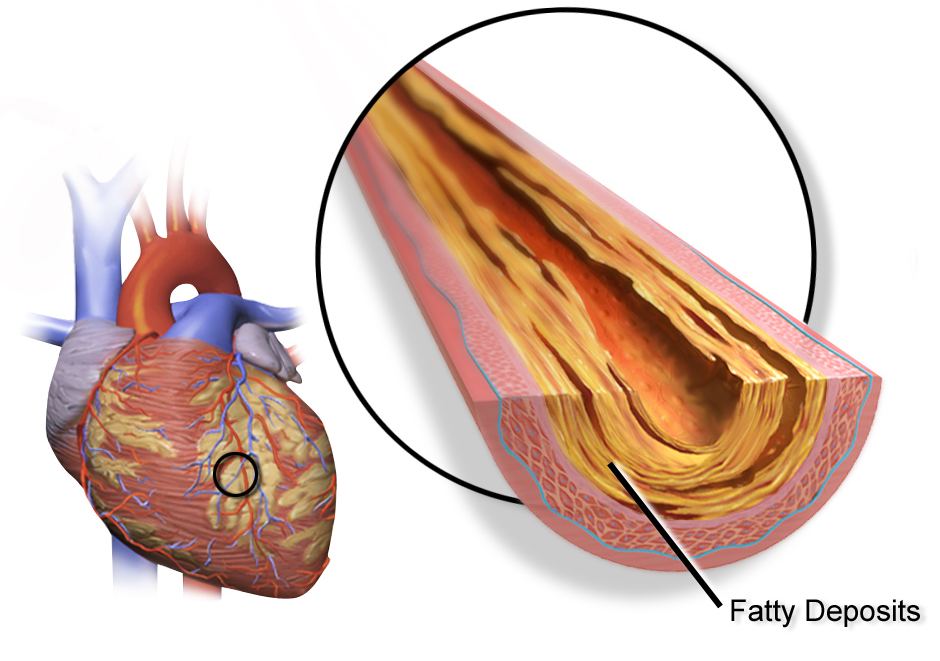


Causes and how it develops
CAD most commonly results from atherosclerosis, a gradual process in which cholesterol, inflammatory cells, calcium, and other material collect beneath the artery lining. Over time these deposits harden into plaque, narrowing the vessel and increasing the risk that a plaque will rupture and trigger a clot that completely obstructs blood flow. The disease can affect one or multiple coronary vessels and ranges from early, asymptomatic narrowing to critical blockages.
For background on the anatomy involved, see: coronary circulation and heart vessels.
Risk factors and characteristics
- Major modifiable risks: high blood pressure, high LDL cholesterol, smoking, diabetes, sedentary lifestyle, poor diet, and obesity.
- Non-modifiable risks: older age, male sex, family history of premature CAD.
- Pathologic features: plaque accumulation, arterial wall thickening, reduced lumen diameter, and possible thrombosis after plaque rupture.
Clinical descriptions of plaque and arterial change: atherosclerotic plaque and artery structure.
Symptoms and diagnosis
Many people with early CAD experience no symptoms. Typical symptoms when present include stable angina (exertional chest discomfort relieved by rest), shortness of breath, fatigue, and in acute cases, unstable angina or myocardial infarction (heart attack) with severe pain, sweating, nausea, or collapse.
Common diagnostic tools include electrocardiography, stress testing, coronary CT angiography, and invasive coronary angiography. Blood tests evaluate cardiac biomarkers and risk factor levels. When discussing the role of blood and oxygen delivery, sources note the importance of blood flow and oxygen and nutrients for myocardial tissue.
Treatment and prevention
Treatment aims to relieve symptoms, improve quality of life, and reduce the risk of heart attack. Approaches include lifestyle changes, pharmacotherapy (antiplatelet agents, statins, blood-pressure medicines, and others), and revascularization procedures such as percutaneous coronary intervention (stenting) or coronary artery bypass grafting for advanced disease. Preventive strategies focus on controlling risk factors, smoking cessation, healthy diet, regular exercise, and managing diabetes.
For patient-oriented resources and care pathways, see guidance about the heart muscle and coronary care.
History, impact, and notable facts
CAD has been a leading cause of illness and death worldwide since the 20th century as diets, lifestyle, and longevity changed population health. Advances in imaging, medications (notably statins and antiplatelet drugs), and procedures have substantially reduced mortality and improved outcomes for many people with CAD. Nevertheless, it remains a major public health challenge that is highly influenced by social and behavioral factors.
Distinguishing features: CAD refers specifically to disease of the coronary arteries supplying the heart, which is distinct from conditions affecting other vascular beds (for example, peripheral artery disease or cerebrovascular disease), though they often share common risk factors and underlying atherosclerosis.
Summary: Coronary artery disease is a progressive narrowing of the heart’s arterial supply caused predominantly by atherosclerosis. Early detection, risk-factor management, and appropriate medical or interventional treatment substantially reduce the risk of complications.
Questions and answers
Q: What is coronary artery disease?
A: Coronary artery disease is a heart disease that causes plaque to build up inside the coronary arteries, leading to their narrowing and reduced blood flow to the heart muscle.
Q: What do the coronary arteries do?
A: The coronary arteries supply blood to the heart muscle.
Q: What happens when the coronary arteries become narrower?
A: When the coronary arteries become narrower due to plaque buildup, less blood gets to the heart muscle, which can lead to chest pain, heart attack, or other complications.
Q: What is the meaning of "coronary" in relation to the heart?
A: "Coronary" means the blood vessels of the heart.
Q: What are arteries?
A: Arteries are blood vessels that carry blood, which is full of oxygen and nutrients, from the heart to different parts of the body.
Q: How does plaque buildup affect the coronary arteries?
A: Plaque buildup inside the coronary arteries causes them to become narrower, which reduces the flow of blood to the heart muscle.
Q: Why are the coronary arteries important?
A: The coronary arteries are important because they supply blood to the heart muscle, enabling it to function properly.
Related articles
Author
AlegsaOnline.com Coronary artery disease: causes, symptoms, diagnosis and prevention Leandro Alegsa
URL: https://en.alegsaonline.com/art/23187