
Computer-generated imagery (CGI): techniques, history, and applications
Overview of computer-generated imagery: how it is made, historical development, core techniques, common uses in film, games, advertising and science, and distinctions from related media.
Computer-generated imagery (CGI) refers to pictures and moving images produced with computer graphics software and hardware rather than by conventional photography or hand drawing. Modern CGI spans simple static renders to complex, photorealistic animation and simulation. The term is often used in the context of cinema and television, but it also applies to advertising, scientific visualization and interactive media. For technical introductions see computer graphics and the role of CGI in movies.

Image gallery
10 Images





Core components and common techniques
CGI workflows typically combine several interrelated processes: modeling the shape of objects, defining materials and textures, setting up lights and cameras, animating motion, and rendering the final image. Techniques vary by style and purpose. For example, real-time engines prioritize speed for games and interactive uses, while offline renderers emphasize physical accuracy for film. Simulations are used to reproduce phenomena such as fluids, cloth, hair and particle systems; these are often described under simulation technology. Animations may be produced in two or three dimensions, and compositing blends CGI with live-action footage for seamless effects.

History and development
CGI evolved from early computer graphics research in the mid-20th century to widespread commercial use by the late 20th and early 21st centuries. Milestones include advances in polygonal modeling, ray tracing, texture mapping and motion capture. As processing power and software matured, CGI moved from stylized or clearly artificial imagery toward fully photoreal visuals, changing filmmaking, advertising and design practices. Academic and industrial research continue to push areas such as real-time global illumination and neural rendering.

Uses, examples, and importance
- Entertainment: Feature films, television, and video games rely on CGI for characters, environments and effects.
- Advertising and design: CGI enables product visualization, virtual photography and flexible creative iterations used in commercials.
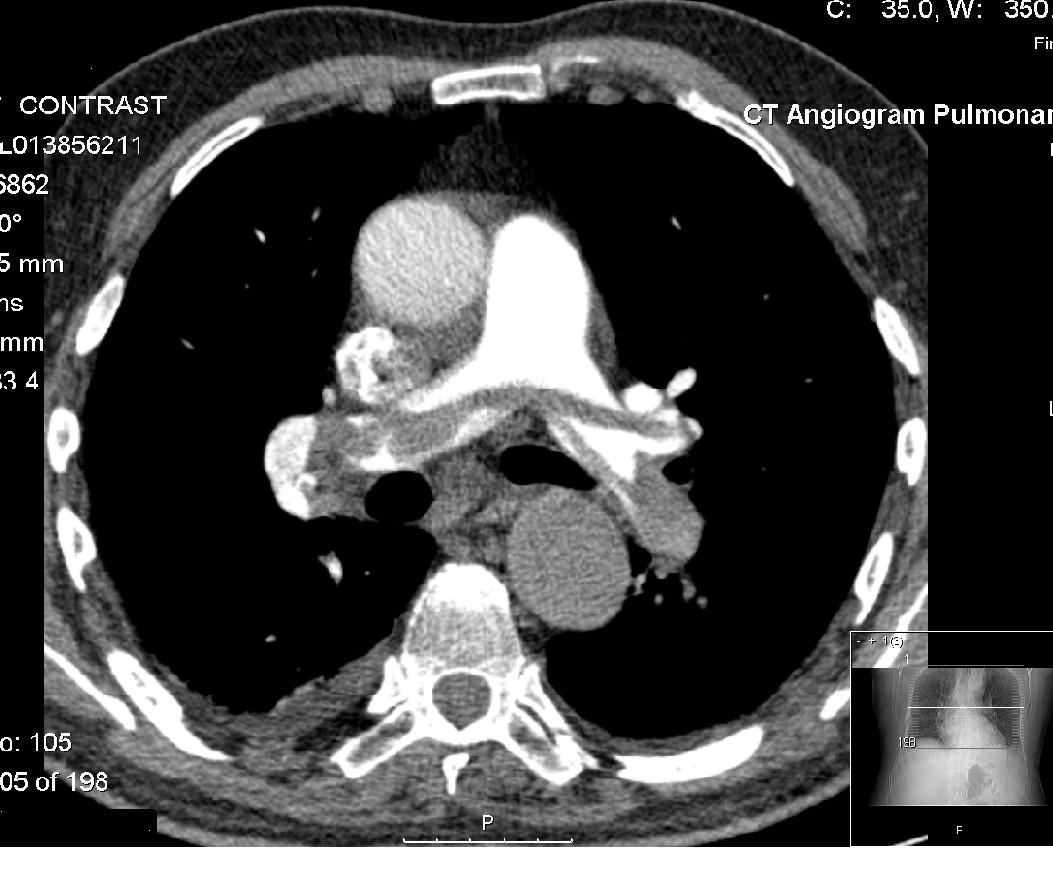
- Scientific and industrial visualization: Medical imaging, engineering models and architectural renderings use CGI for clarity and simulation.
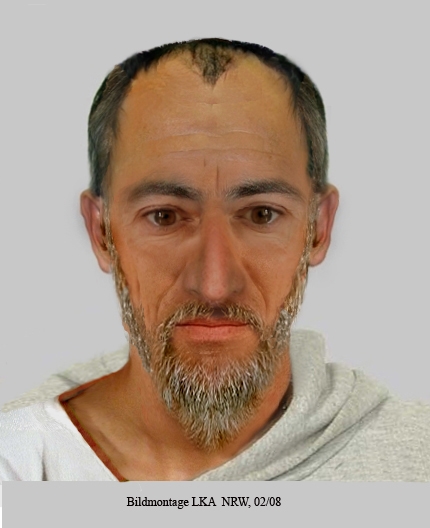
- Forensic and historical reconstructions: CGI can recreate faces or scenes from data—examples include facial composites and archaeological reconstructions; see a police example of a facial composite and sources used by authorities at North Rhine-Westphalia.

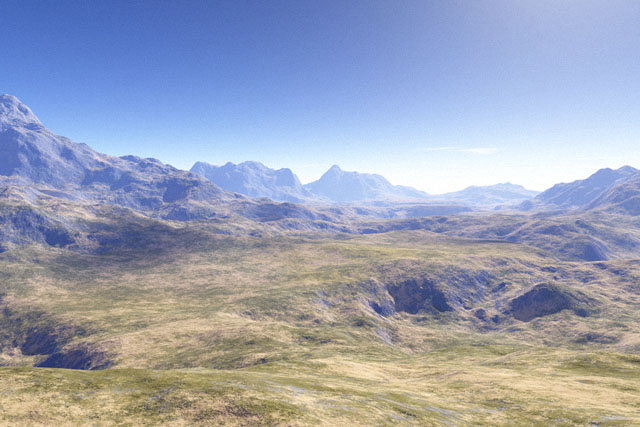
Practical CGI work also involves image processing and compositing to combine elements from multiple sources; for background reading see image processing. Photographers and visual artists frequently incorporate CGI into final images (photography). Specialized algorithms can create natural-looking terrains and fractal landscapes (fractal methods), and anthropological reconstructions sometimes reference skeletal data such as skulls when producing realistic depictions.
Distinctions and notable facts
- CGI is an umbrella term: it includes both static images and motion, and spans hand-crafted art to data-driven simulation.
- Real-time CGI (game engines) and offline CGI (film renderers) make different trade-offs between speed and visual fidelity.
- Ethical and practical issues arise around realism: deepfakes, photoreal reconstructions and synthetic actors prompt discussion about authenticity and consent.
For practical tutorials, tools and further technical discussion, follow introductory resources and software guides available at technical portals such as animation communities and documentation pages. This article has given a compact overview of what CGI is, how it is constructed, and why it has become integral to modern visual culture.
Further references and related topics: computer graphics overview, CGI in film, simulation, advertising uses, animation techniques, image processing, photography relations, fractal landscapes, facial composite examples, police reconstructions, skeletal-based reconstructions.
Related articles
Author
AlegsaOnline.com Computer-generated imagery (CGI): techniques, history, and applications Leandro Alegsa
URL: https://en.alegsaonline.com/art/22313