
Facial composite: purpose, methods, history and limitations
A facial composite is an image reconstructed from witness descriptions to aid identification. This article explains methods, history, uses in investigations, accuracy limits, and modern developments.
Overview
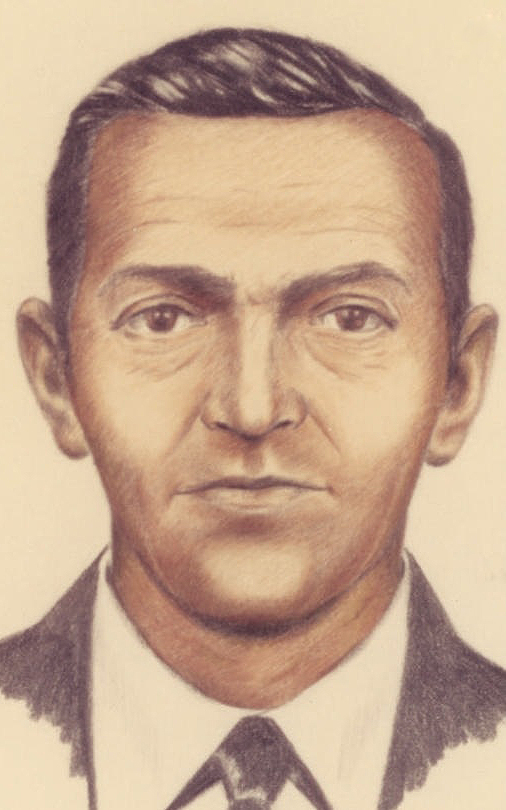
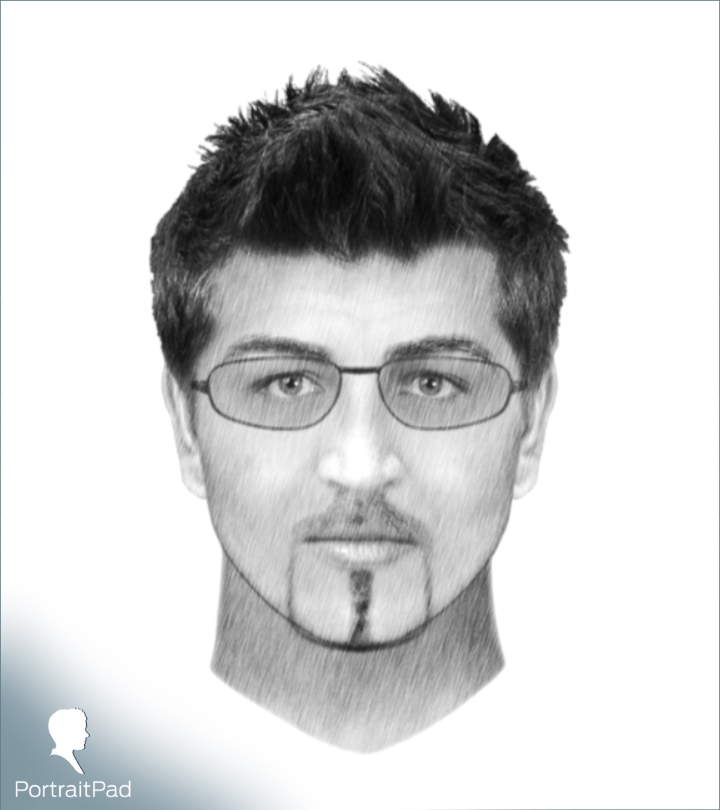
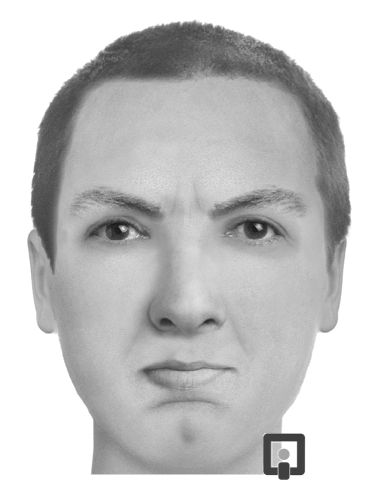
A facial composite is an image produced to represent a person's face when no photograph is available. Composites are typically derived from witness or victim recollection and are used to support identification efforts by police, media, or investigators. They aim to capture salient facial features—shape, eyes, nose, mouth, hairline and distinguishing marks—so that the person can be recognized by the public or by other witnesses.
Image gallery
4 Images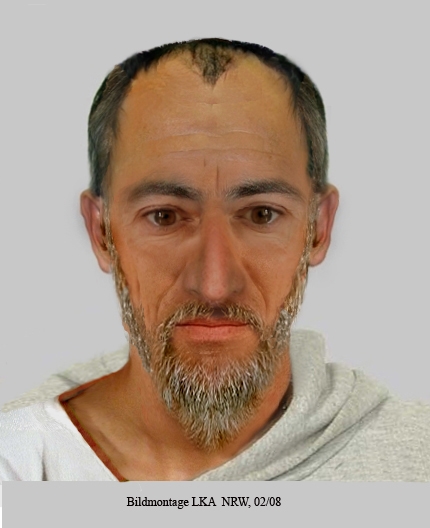
Characteristics and common types
Composites vary in format and technology. Traditional hand-drawn sketches are created by forensic artists who interview witnesses. Mechanical and software systems combine stored facial components. Contemporary approaches include:
- Feature-assembly systems (photo-fit style) that let an operator select eyes, noses and mouths from a catalog.
- Evolutionary and holistic systems (e.g., composite software) that build faces from global patterns rather than discrete parts.
- 3D modelling and recently, automated methods using machine learning to generate photorealistic images from descriptions.
History and development
The practice of reconstructing faces for identification dates back to early forensic illustration and photographic montage in the 20th century. Mechanical kits and standardized catalogs appeared in the mid-20th century; later, computer-based systems replaced many manual methods. Recent advances have introduced algorithmic and generative techniques that can speed production and improve realism.
Typical process
- Interview: an interviewer guides a witness to recall distinguishing features and overall face shape.
- Construction: an artist or software constructs a candidate image using that information.
- Review and revision: the witness refines the image until it matches their memory as closely as possible.
- Distribution: the composite is released to law enforcement, media or the public to solicit tips.
Uses, importance and legal context
Facial composites assist law enforcement agencies and help concentrate investigative resources when no photograph exists. They are often circulated in appeals to the public about suspects or missing persons and can generate leads that yield arrests or identifications. Composites are also used in historical research and cold-case review. When disseminated, care must be taken to balance public safety and individual rights; composites can affect reputations even before verification.
Limitations and notable issues
Accuracy depends on factors such as the witness's memory, the time between event and recall, stress, lighting, viewing conditions and the skill of the interviewer or artist. Memory can be influenced by suggestion, and composite images can produce false leads if treated as definitive identification. Modern techniques aim to reduce bias and improve recognition rates, but composites remain one investigative tool among many. For serious cases, composites are most effective when combined with corroborating evidence or leads obtained from the public or databases (serious crimes).
Note: Composite methods and technologies continue to evolve; understanding their strengths and weaknesses helps investigators use them appropriately.
Related articles
Author
AlegsaOnline.com Facial composite: purpose, methods, history and limitations Leandro Alegsa
URL: https://en.alegsaonline.com/art/33199